France Médias Monde expresses its outrage following revelations regarding the use of Pegasus spyware

France Médias Monde expresses its outrage following revelations regarding the use of Pegasus spyware

France Médias Monde expresses its outrage following revelations regarding the use of Pegasus spyware

France Médias Monde has issued a statement in connection with the Pegasus spyware scandal:

On Sunday, July 18, a consortium of investigative journalists from 16 media organisations, led by Forbidden Stories, published its first findings from an inquiry into the extensive use, by several States, of Pegasus spyware to monitor mobile phone communications. Many of those targeted are journalists, including some working for France Médias Monde.

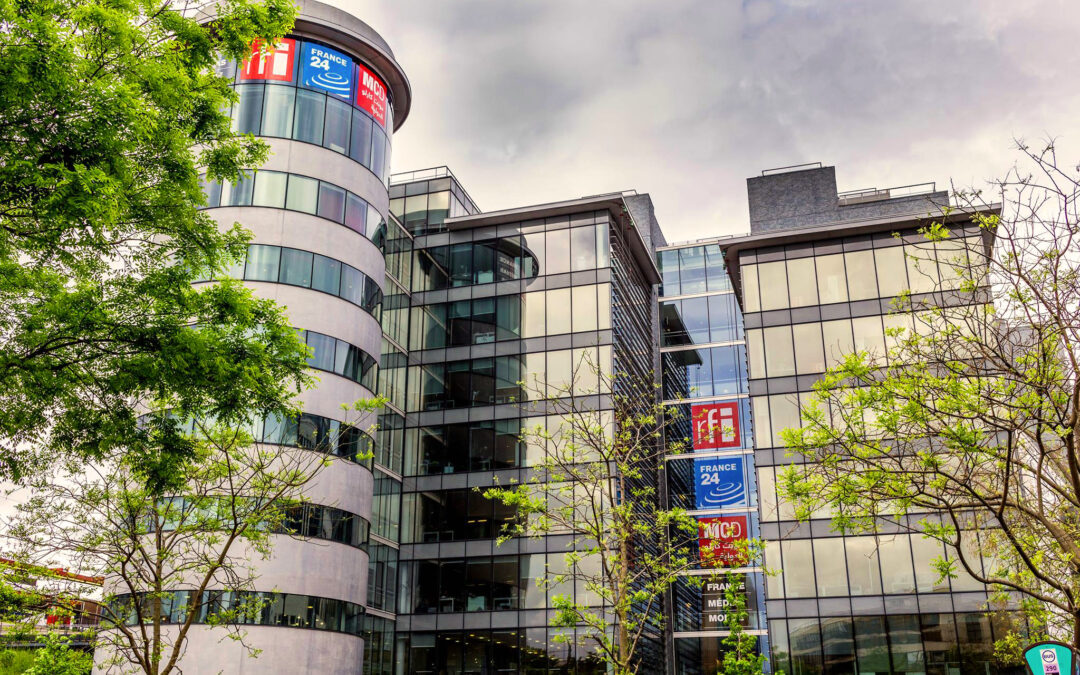
France Médias Monde (FMM), the consortium of France’s public-sector media outlets [comprising France 24, Radio France Internationale and Monte Carlo Doualiya], is outraged by these intrusive practices perpetrated by certain States that have little respect for people’s fundamental rights and freedoms.

FMM urges relevant national and international authorities to litigate this issue and asks that light be shed on these instances of cyber espionage.

Training our staff in the field of mobile devices security has been a priority for France Médias Monde for several years and will continue to be so given the worldwide context of violations of this type becoming increasingly common. 

These extremely intrusive spying practices which undermine freedom of the press, the safety of journalists and which Reporters Without Borders have strongly condemned, must cease now. 

France Médias Monde is a Member of the Association for International Broadcasting.

France 24 heads to Carthage with UNESCO

France 24 heads to Carthage with UNESCO

France 24 heads to Carthage with UNESCO

In partnership with UNESCO, France 24 is offering viewers a new show across all its four language services (English, French, Arabic and Spanish).

Shared Heritage takes the audience to the heart of the most famous UNESCO World Heritage Sites around the world. The first two episodes of this new programme come from Carthage in Tunisia. Carthage was the capital city of the ancient Carthaginian civilisation, on the eastern side of the Lake of Tunis. The city was one of the most important trading hubs of the Ancient Mediterranean and one of the most affluent cities of the classical world.

The two specials from Carthage will be broadcast on July 17 and 24 at 1710 GMT and will feature a range of special guests. Presenters Stuart Norval (English), Julien Fanciulli (French), Taoufik Mjaied (Arabic) and Erika Olavarria (Spanish) will host two debates on freedom of expression and the freedom of the press as well as the preservation of heritage in Tunisia.

Saturday July 17

Stuart Norval and his guests Nesrine Nasr, researcher at the National Heritage Institute of Tunis, Leila Ben Gacem, consultant and founder of Blue Fish, Karim Hendili Chief of Culture at the UNESCO Regional Office for Maghreb in Rabat and Adnen el Ghali, architect, urbanist, historian and specialist of Tunis Medina’s Heritage, discuss the preservation of heritage in Tunisia and how to protect it for the future. They also discuss the site and treasures that are under threat, and how the past needs to be preserved.

Saturday July 24

Stuart Norval and his guests Emna Mizouni, civil rights activist and co-founder of  Digital Citizenship, Rabeb Aloui, journalist and Nidhal Ghariani, cartoonist, discuss the situation facing the media and activists in Tunisia under former President Ben Ali, how it has changed, and if that change is slipping back again towards the old repressive ways. They also discuss how perilous it was to draw or publish cartoons before the revolution. Finally, they talk about fake news and how to debunk it.

Future episodes of Shared Heritage will come from other UNESCO World Heritage Sites over the coming months.

Photo: Stephen Downes/Flickr

France 24 | July highlights

France 24 | July highlights

France 24 | July highlights

The English-language service of France 24 broadcasts 24 hours-a-day from Paris. Here is a selection of programme highlights for July.

ENCORE!

With the Cannes Film Festival taking place, the daily magazine Encore! returns to Cannes bringing viewers the very best from the biggest film festival in the world.

Sonia Patricelli goes to the French Riviera and reports live from there. She offers reviews, red carpet news and exclusive interviews every day with the brightest stars and rising talents from the world of film. On July 17, France 24 will be broadcasting a special show dedicated to the closing ceremony of the 74th edition of the Cannes Film Festival after its enforced break of a year.

REPORTERS PLUS | Rwanda’s righteous    

Saturday 17 July at 1910 GMT 

In 1994 in Rwanda, 800,000 people, mostly from the Tutsi minority ethnic group, were killed within the space of just three months. The few Hutus who tried to protect them were executed as well. However, some of them still risked their lives to help Tutsis. Amongst Rwanda’s righteous is Froduald Karuhije, a farmer in the small village of Shyogwe who dug holes in fields to allow Tutsis to hide. Damas Gisimba, head of an orphanage in Kigali, also helped Tutsis to hide in the ceilings and secret rooms of the building. Joséphine Dusabimana, a bartender in Kibuye, stole small boats on lake Kivu and helped Tutsis escape at night to reach an island on the other side of the border. Why did these Hutus make this choice? How did they manage? Reporters Plus focuses on these heroes of the Rwandan genocide.

BASTILLE DAY AND MILITARY PARADE

Wednesday 14 July throughout the day

On Bastille Day, France 24 covers the festivities for its viewers across the world, which include the military parade on the Champs Élysées in Paris.

Iran continues to harass BBC News Persian staff; raised at UNHRC event

Iran continues to harass BBC News Persian staff; raised at UNHRC event

Iran continues to harass BBC News Persian staff; raised at UNHRC event

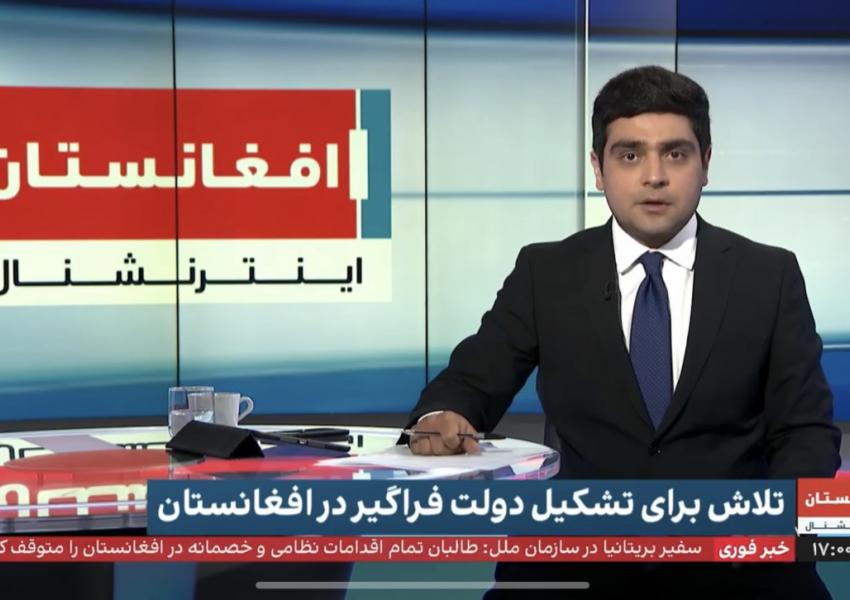
Iran’s escalating harassment of BBC News Persian journalists discussed at BBC and UN Human Rights Council virtual event

BBC World Service co-hosted a virtual “side-event” to coincide with the 47th session of the United Nations Human Rights Council (UNHRC) on 24 June. It was designed to raise concerns about the escalating cross-border harassment and threats from Iran towards BBC News Persian journalists and other Persian-language media. Alongside the BBC, the event was co-hosted by the International Federation of Journalists, National Union of Journalists and Doughty Street Chambers.

The virtual event was chaired by Deputy General Secretary at International Federation of Journalists, Jeremy Dear.

Speaking at the event, Ambassador Rita French, UK’s Deputy Permanent Representative to the United Nations in Geneva and International Ambassador for Human Rights, said: “It remains our desire to see Iran change tack, cease this abhorrent persecution against journalists and their families, and adhere to its international human-rights obligations. Until they do, the UK will continue to hold them to account, and seek to ensure media freedom is defended everywhere.”

Estonia will chair this year’s conference of the Media Freedom Coalition.  Ambassador Minna-Liina Lind, Estonian Ambassador at Large for Human Rights and Migration, said: “We really want to have some concrete deliverables from the conference hosted in Tallinn in December 2021.”  

Also on the panel was BBC News Persian journalist Kasra Naji who spoke about the campaign of vilification, threats and persecution endured by himself, his colleagues and their families, and BBC’s World Affairs Editor, John Simpson, who warned of the danger, that these policies that already have been in place for four years, will continue and intensify under Iran’s newly elected president Ebrahim Raisi, and called to protect and guard the BBC’s Persian service.

For many years, Iran has conducted a campaign of harassment and intimidation towards BBC News Persian journalists and their families in Iran. This has included death threats towards BBC journalists and their families in London, family members in Iran being brought in for interrogation and threats being made of cross-border operations to put BBC journalists in prison, online harassment and gendered attacks on women journalists, and a judiciary-imposed asset freeze on all assets of BBC News Persian staff in Iran. In some cases, family members were deprived of their liberty and held in degrading conditions, and ordered to tell their relatives to stop working for the BBC.

In response to this, the BBC initiated its first ever UN complaint in 2017 in relation to the protection of BBC journalists and has continued to engage with UN Special Mechanisms since. Concern has been raised about Iran’s treatment of BBC News Persian by the UN Secretary-General and successive UN Special Rapporteurs.

In March 2020, a group of UN experts made a joint statement condemning Iran’s harassment of BBC, raising concern of indications that:

… the Iranian authorities are prepared to use force extra-territorially, in violation of international law. Harassment, surveillance, death threats against journalists, within and outside domestic boundaries violate international human right law, including the right to physical integrity, the right to life and the right to freedom of expression.

The UN experts said that Iran’s acts towards BBC News Persian “violate international law regulating the use of force in times of peace” and “ultimately constitute serious threats to global security and thus demand strong reactions on the part of the Governments”.

In the past year, matters have escalated. Journalists and others perceived to be critics of the Iranian authorities have been abducted from other countries and returned to Iran, to be imprisoned and (in at least one case) to face the death penalty. Iran’s asset freeze has extended beyond BBC News Persian staff to some other international Persian-language outlets. Death threats have been made towards BBC News Persian staff in London, leading to police involvement and protection.

Tim Davie, BBC Director-General, said: “The treatment of the BBC News Persian journalists and their families by the Iranian authorities runs counter to the basic principles of human rights.  Our total support for our journalists doing their job is as strong as our determination to never succumb to these pressures and we demand that they stop.”

Caoilfhionn Gallagher QC and Jennifer Robinson, counsel for BBC World Service, said: “This week, the newly elected President of Iran has claimed he is a ‘defender of human rights’.  But the Iranian authorities’ cruel harassment and intimidation of BBC News Persian staff and their families violates the human rights of journalists and their families. Iran’s cross-border targeting of journalists is aimed at silencing voices Iranians are entitled to hear and also breaches the rights of the wider public. This is a sustained, pernicious attack on human rights by Iran. We urge UN experts to take action on this issue. The international community must condemn this in the strongest terms, and immediately take action to protect the integrity of journalists, their families and their profession.”

Simon Spanswick, chief executive of the Association for International Broadcasting, joined the event. During the session, he said:

I believe that it is essential that we harness not only diplomatic channels but also the media industry itself in calling out the Iranian authorities and their attempts to silence BBC Persian, Iran International and others. We need to encourage other media organisations to use the platforms they have – both on air, and at industry events – to ensure that the issue is kept at the forefront of people’s minds. At the AIB, we’re happy to use our events to tell this important story.”

BBC News Persian is a multimedia news and current-affairs service, with a weekly audience of around 18.3m (2020), delivering accurate and impartial news, information and analysis from a global perspective to Persian-speakers around the world. Available online via the websitebbc.com/persian, on TV and radio, BBC News Persian also connects with audiences on social media: Facebook, Instagram, Telegram and Twitter. BBC News Persian is part of BBC World Service.

Watch the latest video about the harassment of BBC Persian staff:

CBC/Radio-Canada to play a leading role in greening the Canadian media industry

CBC/Radio-Canada to play a leading role in greening the Canadian media industry

CBC/Radio-Canada to play a leading role in greening the Canadian media industry

As part of Canadian Environment Week, CBC/Radio-Canada has unveiled its new 2021–2026 environmental strategy, Greening Our Story. The five-year plan will see the public broadcaster take a leading role in advancing sustainable production practices in the country’s media industry. The objective is to create content in ways that actively eliminate waste and carbon emissions from production workflows.

CBC/Radio-Canada is committing to:

  • Measuring the carbon footprint of 100% of its in-house productions using albert, a tool that calculates the carbon emissions of productions;
  • Ensuring that 25% of its in-house productions are “albert-certified” as sustainable;
  • Measuring the carbon footprint of 50% of external productions using albert and collaborating with independent producers to reach the Corporation’s sustainability goals.

For more than 10 years, CBC/Radio-Canada has been reporting on its efforts to reduce its environmental impact, via its environmental performance reports. Now, we are intensifying our efforts and setting even more ambitious targets.

Catherine Tait, President and CEO, CBC/Radio-Canada, said: “Greening our Story is an opportunity to transform CBC/Radio-Canada into a world-class, sustainable public service media company. This new strategy builds on our environmental work to date and takes our aspirations to the next level. It accelerates our commitments and encompasses everything we do, from how we produce our content and operate our business, to how we make the choices to avoid waste, reduce our energy consumption and limit our carbon footprint.”


Photo: Leduc Field/Flickr/CreativeCommons licence

Signiant to enable NBC Olympics to streamline remote production during Tokyo Olympics

Signiant to enable NBC Olympics to streamline remote production during Tokyo Olympics

Signiant to enable NBC Olympics to streamline remote production during Tokyo Olympics

NBC Olympics, a division of the NBC Sports Group, has selected Signiant to provide intelligent file transfer software for its production of the Games of the XXXII Olympiad, which take place in Tokyo, Japan, from July 23 – August 8. 

With Signiant’s software, NBC Olympics will be able to move petabytes of footage from Tokyo back to its International Broadcast Center in Stamford, Conn., immediately upon capture. Signiant’s patented network optimisation technology enables seamless transfer of the footage over standard IP networks, eliminating latency and packet loss, so that editors in Stamford can begin creating highlights almost immediately as the action is happening thousands of miles away. The software also allows for content, including advanced graphics work and pre-recorded footage, to be transferred quickly, easily and securely back to the broadcast center in Tokyo. Signiant’s software enables NBC Olympics to leverage their talent and equipment back home in Stamford, enabling them to provide enhanced viewing experiences to their audience much more efficiently. 

“Signiant is excited to partner with NBC Olympics for the production of the Tokyo Games this summer,” said Signiant CEO Margaret Craig. “Fan expectations for more immersive viewing experiences are growing and with NBC Olympics’ remote production operations, they will be sure to delight their audiences with amazing coverage. We’re proud that Signiant’s software will play such a central role in enabling NBC Olympics to seamlessly leverage their talent and technology located halfway around the world.”

“NBC Olympics is pleased to work with Signiant’s Managers and Agents solution,” said Darryl Jefferson, VP Post Production & Digital Workflow, NBC Sports & Olympics. “File movement is central to all of our remote workflows both in Tokyo as well as in our broadcast centre in Stamford. We are excited to see how it optimises our transfers and provides greater resiliency across our domestic and international transfers. Signiant is enabling us to scale up to handle our Tokyo Olympics workload and our increased file sizes due to our HDR and 4K production efforts.”