France Télévisions Group hit by cyber attack

France Télévisions Group hit by cyber attack

France Télévisions Group hit by cyber attack

France Télévisions Group has been hit by a cyber attack that has impacted one of the Group’s websites although has not, apparently, caused programming to fall off the air.

The story, reported by Le Monde newspaper and confirmed in a press release issued by France Télévisions Group, reveals that although transmissions were not affected, the Group moved the output of France 3 to the headquarters building in Issy-les-Moulineaux and activated the broadcaster’s emergency backup centre.

The attack comes five years after French international broadcaster TV5 Monde was hit by a major cyber attack that affected the broadcaster’s output and its online presence. That attack took many months to fully recover from and cost the broadcaster significant sums to recover data and ensure that its systems were made more secure from attack.

The AIB instigated its Cyber Security Working Group as a result of the attack on TV5 and on Sony, bringing together our global membership to share intelligence and develop systems to help protect broadcasters from attack. The AIB is currently developing a broadcasting cyber security research project with the globally renowned Information Security department at Royal Holloway University of London.

Image of France Télévisions: Angel James de Ocampo/Flickr

UN plans Pause: Take Care Before You Share “spike” day

UN plans Pause: Take Care Before You Share “spike” day

UN plans Pause: Take Care Before You Share “spike” day

As part of the United Nations COVID-19 Communications Response Initiative, the Department of Global Communications is planning a spike day/moment for the VERIFIED campaign on 30 June.

The spike day will push one central message “Pause: Take Care Before You Share”. Research shows that a significant way to reduce misinformation is by creating a culture of pausing, even for a few seconds, to reflect on the content before one shares it.

The design of the Pause: Take Care Before You Share campaign is to permit as much ownership as possible by those participating. While there are central assets available, we want to encourage you to adopt the language of the campaign and bring your own creativity and style to the messaging.

Ideas for engagement:

1. Provide advertising space such as pre-rolls or banner adverts for UN content
2. Commission journalists to write about the challenge of misinformation
3. Share the message “Pause. Take care before you share.” in your own brand identity on owned media channels

For more information, please contact Robb Skinner at skinner@un.org.

The AIB is a Member of the UN SDG Media Compact.

Voice of America directors resign

Voice of America directors resign

Voice of America directors resign

Voice of America Director Amanda Bennett on 15 June 2020 announced her resignation and that of VOA Deputy Director Sandy Sugawara after more than four years leading the United States’ largest congressionally-funded international broadcaster.

During their tenure, VOA’s radio, television, and online audience grew by nearly 109 million people to 280.9 million a week, according to annual surveys commissioned by the U.S. Agency for Global Media, which oversees Voice of America and its sister networks.

“We depart with the gratitude and joy that has marked our time together, with a dedication to our mission and admiration for each member of the VOA workforce,” said Bennett. “We will always be grateful for the chance we were given to work with such a remarkable team and we are so proud to have been a part of VOA’s incredible mission.”

Under their leadership, VOA refocused on its core mission of bringing objective news and information to those without a free press, telling America’s story, explaining America’s government and policies to the world and representing all of the U.S.

The agency adopted a new tagline, “A Free Press Matters,” opened a Silicon Valley bureau to expand technology reporting, launched an investigative journalism unit and fact-checking team (Polygraph.info), created a dedicated blog and website for international students (Student Union) and established VOA’s first ever press freedom beat. They launched new programming in all six language divisions, including new refugee- and women-focused television and radio shows, initiated simultaneous translation for major events like the State of the Union, and introduced bridge editors across the agency to foster content sharing.

On the technology front, they oversaw a major revitalization to studios and digital systems, including the development of an artificial intelligence program that provides transcriptions and translations across VOA’s 47 language services in minutes.

The complete VOA Transformation Report is here.

“There are so many brave, heroic journalists at VOA who believe passionately in the power of a free press, because they have seen the impact around the world,” said Sugawara. “It has been inspiring to work with them and learn from them.”

Prior to joining VOA in April 2016, Bennett served as an executive editor at Bloomberg News, the editor of The Philadelphia Inquirer and editor of the Herald-Leader in Lexington, Kentucky. She also served for three years as managing editor/projects for The Oregonian in Portland and was a Wall Street Journal reporter for more than 20 years. She has also been a contributing columnist for The Washington Post. A graduate of Harvard College, Bennett shared the 1997 Pulitzer Prize for national reporting with her Journal colleagues, and in 2001 led a team from The Oregonian to a Pulitzer for public service. In October 2019, VOA Director Amanda Bennett was honored by the National Press Club Journalism Institute with the Fourth Estate Award that recognizes individuals that have made significant contributions to American journalism.

Before Sugawara came to VOA, she spent more than three decades in journalism, starting as a UPI reporter and rising to senior management positions at The Washington Post. Most recently, she served for more than three years as managing editor for Trove, a digital news startup owned by The Washington Post/Graham Holdings Company. A graduate of Wellesley College, Sugawara also served at The Washington Post as assistant managing editor for business. As a reporter for The Washington Post, Sugawara spent several years as a Tokyo-based correspondent and covered the Securities and Exchange Commission, telecommunications, government contracting and local politics.

In a farewell message to the VOA workforce, Bennett said, “Nothing about you, your passion, your mission or your integrity changes. Michael Pack swore before Congress to respect and honor the firewall that guarantees VOA’s independence, which in turn plays the single most important role in the stunning trust our audiences around the world have in us. We know that each one of you will offer him all of your skills, your professionalism, your dedication to mission, your journalistic integrity and your personal hard work to guarantee that promise is fulfilled.”

Source: VoA press release

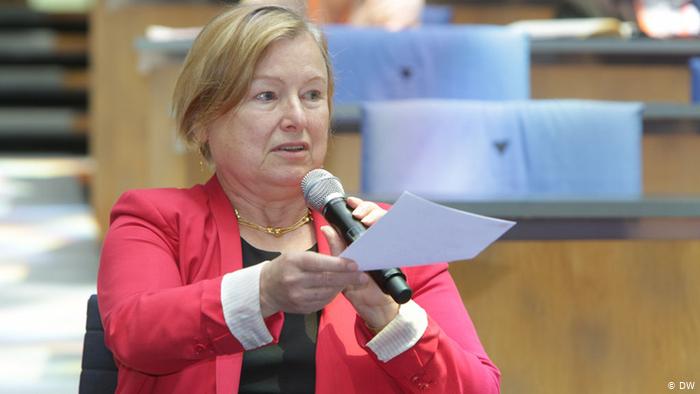
Photo: Amanda Bennett at the Deutsche Welle Global Media Forum, Bonn | DW image

Bad day for media freedom in Philippines as Maria Ressa convicted

Bad day for media freedom in Philippines as Maria Ressa convicted

Bad day for media freedom in Philippines as Maria Ressa convicted

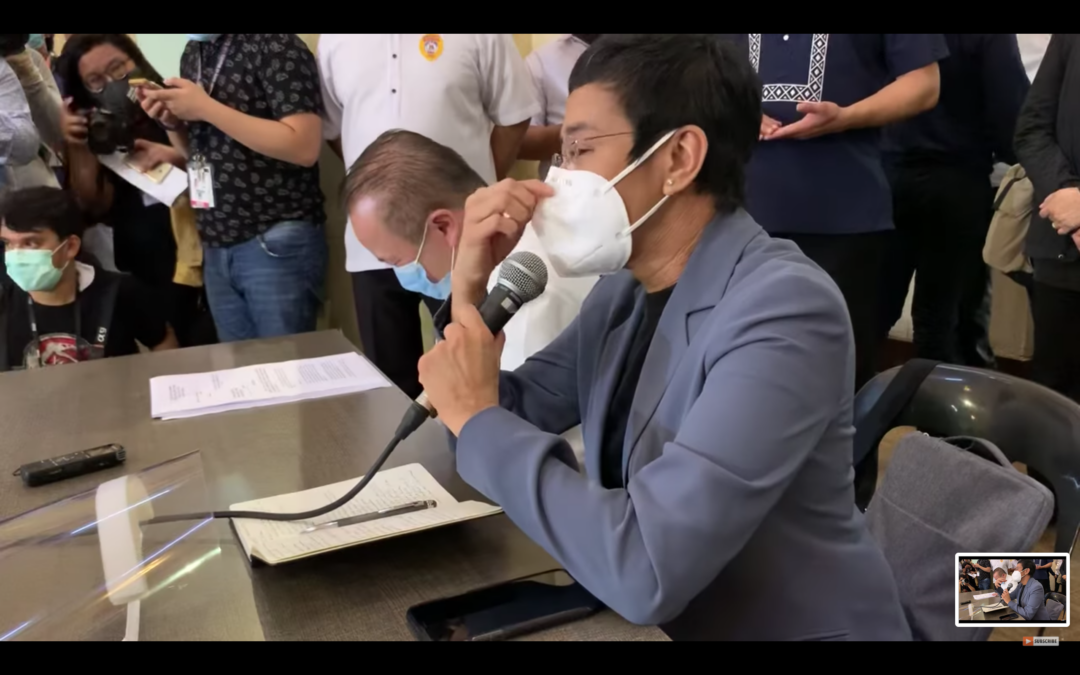
Monday 15 June will be marked as another day in which media freedom in the Philippines, a country of 106m inhabitants, was dealt a savage blow. It is the day that Maria Ressa, founder and editor-in-chief of independent news organisation Rappler, and Rey Santos Jr, a journalist working for Rappler, were found guilty of cyber libel.

Amal Clooney and Caoilfhionn Gallagher QC of London’s Doughty Street Chambers have, on behalf of the international legal team acting for award-winning journalist Maria Ressa, expressed condemnation following today’s judgment handed down by Judge Rainelda Estacio-Montesa in the Manila Regional Trial Court.

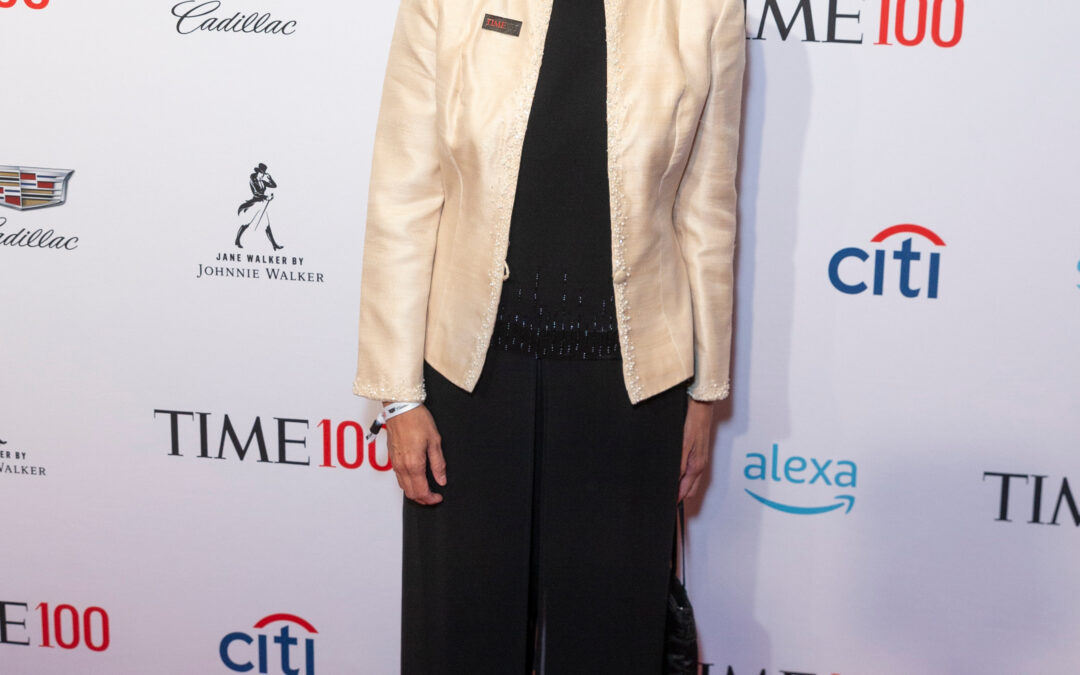
Ms Ressa, former CNN bureau chief and one of four journalists named Time’s Person of the Year in 2018, stood accused of libelling businessman Wilfredo Keng in an article published on news website, Rappler.com. More information about the case is available here.

Today, the Court found Ms Ressa and her co-Defendant, reporter Reynaldo Santos Jr, guilty of the crime of cyberlibel.  Ms Ressa was sentenced to a minimum of 6 months and a maximum of 6 years imprisonment and granted bail pending appeal.  A fine of approximately $8,000 (P400,000) was also imposed.

Ms Clooney said of today’s verdict: “Today a court in the Philippines became complicit in a sinister action to silence a journalist for exposing corruption and abuse. This conviction is an affront to the rule of law, a stark warning to the press, and a blow to democracy in the Philippines. I hope that the appeals court will set the record straight in this case. And that the United States will take action to protect their citizen and the values of their Constitution.”

Ms Gallagher said: “Independent journalism in the Philippines is an act of bravery. At least 16 journalists have been killed since President Duterte came to office in 2016, and today’s verdict comes just weeks since the country’s largest media network was shut down. Maria Ressa’s conviction on baseless charges, for an article she did not write, under a draconian law which did not exist when the article was published, is an ugly stain on the Philippines’ reputation. The international community must condemn this grave attack on independent journalism and media freedom in the strongest terms.”  

Ms Ressa said: “Today I have been convicted, but it is also the justice system in the Philippines on trial. For years I have been targeted by the authorities, following the government’s weaponization of social media. Today the judiciary became complicit in this insidious campaign to silence independent journalism and stifle press freedom. But neither I nor Rappler will be silenced. I will fight this conviction, and I will continue to do my duty, to speak out and report the truth.”

Remarkably, seven further cases remain pending against Ms Ressa, exposing her potentially to decades in prison.  The barrage of cases against Ms Ressa, which allege illegal foreign media ownership of her news site and alleged tax offences, are equally spurious, and an act of retaliation by the current administration against her reporting, which has exposed corruption and abuses, including the execution of thousands of Filipinos in the name of a war on drugs.

The National Union of Journalists of the Philippines has characterised the cases against Ms Ressa as an act of “persecution” by a “bully government.”  In December 2019, the US Senate also criticised the cases, holding that they were “widely viewed by human rights observers and a number of governments as part of a pattern of ‘‘weaponizing the rule of law’’ to repress independent media.”

The AIB adds its voice to those protesting this assault on media freedom in the Philippines. The convictions are clearly wrong and they will add to the growing impunity that those who want to silence the media feel that they have in targeting journalists and news organisations. The AIB will support Maria, Rey, Rappler and others in similar situations in any way that it can.

International Public Service Media’s essential role in global fight against the COVID-19 pandemic

International Public Service Media’s essential role in global fight against the COVID-19 pandemic

International Public Service Media’s essential role in global fight against the COVID-19 pandemic

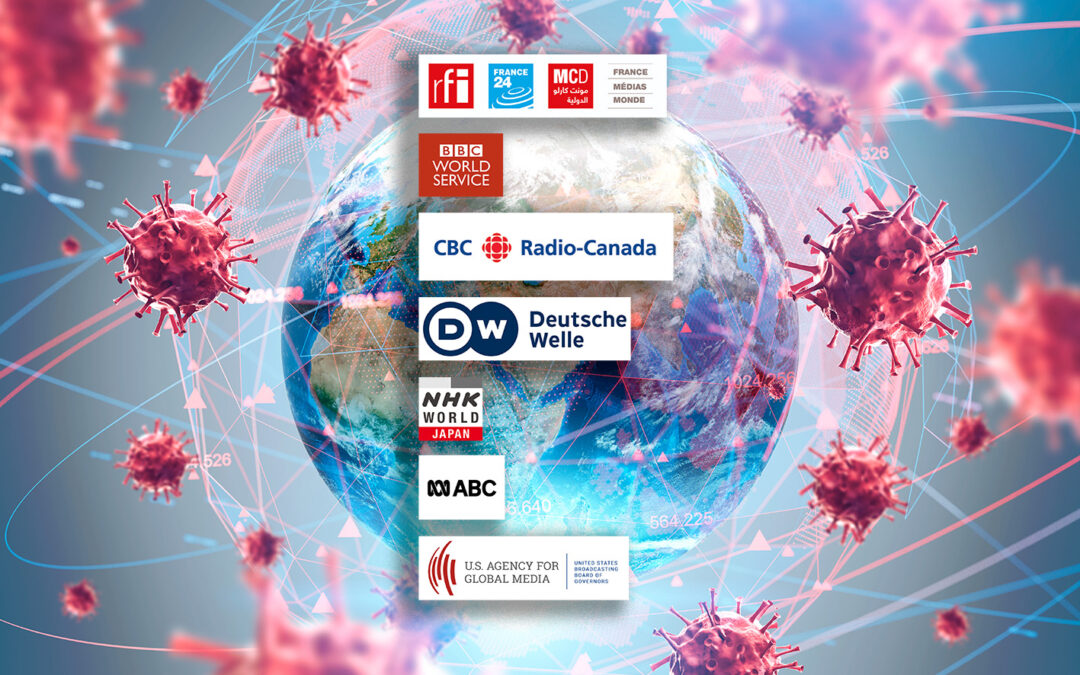
Since the beginning of the global health crisis linked to the Covid-19 pandemic, the seven members of the DG7 group of international public service media (comprising France Médias Monde, Deutsche Welle, BBC World Service, USAGM, NHK World, CBC/Radio-Canada and ABC Australia) have recorded strong audience increases, illustrating the confidence of global audiences in the reliable and independent information they deliver on television, radio and digital media, in a large number of languages, on all continents.

The organisations have adapted to the consequences of the crisis and their teams – journalists, technicians, correspondents, part time workers and employees – have mobilised to pursue their mission tirelessly, informing people about the new coronavirus and helping to combat its spread by delivering prevention messages, in conjunction with the health authorities.

The international public service media in the seven countries have opened their platforms to the best scientific experts and specialists, to major political and economic leaders, on all aspects of the worst pandemic the world has seen in decades.

The fight against the proliferation, particularly on social networks, of fake news about the disease and its treatments has mobilised all the DG7’s editorial offices, which are used to cooperating in this field at a time when, more than ever, reliable information is protecting lives.

The international media are on the front lines, in all languages, even in the remotest corners of the globe to deliver reliable information, but also to entertain by bringing culture to life and artists to express themselves, or to educate by ensuring, through dedicated programmes, a mission of educational continuity for children and their parents.

The humanist values of solidarity that underpin our action have led the DG7 media to join in the worldwide drive to pay tribute to healthcare personnel, researchers and all frontline workers, and to pay special tribute to women, whose role has often been crucial at all levels of society. They have also sought to raise awareness of the increase in domestic and family violence in times of lockdown and how to prevent it.

The DG7 content is global and universal, but it is also local, thanks to their multilingualism, which makes it possible to reach the citizens of the world in their mother tongues, and to the hundreds of reports produced on the ground every day by their networks of correspondents in all countries.

DG7 leaders say that this period should encourage us to draw lessons about the way the world works and changes, about social relations, about the importance of public services and access to information. Their media contribute to the international reflection and debate needed to build the post-pandemic future and make the most of it.

This common mission at the service of the general interest, democratic values and freedom of expression, which brings us together, is particularly illustrated in the light of the health crisis. DG7 say they will do their utmost to build on on this public confidence in our media, which is more precious and greater than ever.

With more than one billion weekly users, DG7 media play a major role in the world in the service of free information.

All DG7 broadcasters are members of the Association for International Broadcasting.

DG7 members :

  • Marie-Christine Saragosse, Chairwoman and CEO, France Médias Monde
  • Peter Limbourg, Director General, Deutsche Welle
  • Jamie Angus, Director, BBC World Service Group
  • Grant Turner, Chief Executive Officer and Director, USAGM
  • Takai Takaaki, Managing Director, NHK World-Japan
  • Catherine Tait, President and Chief Executive Officer, CBC/Radio-Canada
  • David Anderson, Managing Director, ABC Australia