Shure continues to support broadcast and production, and more, during the pandemic

Shure continues to support broadcast and production, and more, during the pandemic

Shure continues to support broadcast and production, and more, during the pandemic

COVID-19 has required a significant shift in plans in the broadcast industry and Shure is no exception.

With a long history of helping bring the news to a mass audience through our microphones, the company understands that its role with broadcasters is as important as ever as the industry responds to this pandemic. Shure explains its priorities and how it has been responding to the challenges of the pandemic.

Our first priority is our Associates. As a global company, we initiated plans to take care of our Associates early in the outbreak. In accordance with local and national guidelines, we implemented work-from-home policies for our global Associates where appropriate and established social distancing and sanitisation protocols to keep essential areas of our business running on location.

We have witnessed the evolving impact of the pandemic across our facilities. As it first appeared in China, we have manufacturing and market support functions in that country where we needed to move quickly. We responded fast, enacting new policies and processes in accordance with health and government officials.

Our goal is to safely take care of our Associates while they take care of customers. Customer service and order fulfilment were two focus areas for us to ensure customers would continue to have communication tools during this crisis.

As Shure sells microphones and other broadcast equipment, including wireless systems, headphones, earphones, software, conferencing tools and podcasting accessories in 140 countries, serving those broadcasters during this important time is essential. We are committed to maintaining a supply of goods and still provide customer support.

As with most businesses, we pivoted to a work-from-home scenario for most office-based Associates. With today’s technology, we are still able to collaborate as teams. In some cases – because our Associates work together globally – much of this virtual collaboration is normal. However, we do miss the camaraderie of our fellow Associates, meeting with customers, attending trade shows and industry events, and other hands-on experiences. The key for us is determining how to support our customers during this difficult time. We always want to provide the right level of support, but we recognise that product needs may be different right now.

We expanded our customer webinar schedule to provide more frequent content. While the Shure Audio Institute (SAI) typically provided monthly training sessions, programming is now being delivered weekly. Demand for the sessions has been higher than normal, with three times the audience tuning in for recent training offerings versus previous webinars.

Supply chain issues are affecting many businesses in the electronics industry, and our Operations team has worked diligently to maintain the pipeline of components and continue to manufacture and ship our products to customers who order them. The need for audio products during this period is actually critical for many customers, which has helped enable Shure’s operations to be deemed essential in many locations.
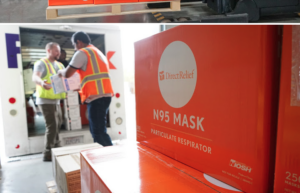
Shure is also supporting our communities where we can. We have donated to Direct Relief, an organisation working with authorities to provide personal protective equipment (PPE) to health care workers in affected regions of the world. We’ve also been able to supply needed equipment directly to organisations such as hospitals and schools. In the backyard of our headquarters, Shure is supporting Chicago Independent Venue League (CIVL); in addition to a monetary donation, Shure has recruited some partners in the industry to encourage others to support local live performance venues in the Chicago area and around the world.

As live events and performances have been cancelled or severely reduced, demand for stage microphones and monitoring systems have also declined. With more people working and performing from home, Shure’s home recording, conferencing and headphones products have become more popular. For professional audio, products that can be controlled from a distance over a network or wireless connection has increased in demand. These fluctuations have impacted our supply chain, led to an inconsistent component supply and reduced global freight capacity. This has made transporting goods difficult – adding more cost and delivery times to our typical plans.

Regardless, we’ve ramped up support for the higher demand for home broadcasting equipment. We have always taken pride in exhaustive testing processes that ensure our products are as reliable and dependable as possible, especially as we understand the long-term impact of more robust cleaning regimes on our products. We’ve also worked to ensure consistent customer support during this time to make sure our customers receive the proper attention.

However, COVID-19 changes the broadcast industry, we know that we are all in this together. The industry has always adapted to change – and we’ll have to adapt again. We just celebrated our 95th anniversary, so this Company has been through a lot of challenging times. What has always helped us get through difficult periods is the strength of our Associates and the collaboration of the industry to lean on each other. We’re committed to supporting our broadcast customers throughout this difficult time.

Shure is a Member of the AIB.
#HoldTheLine campaign supporting Maria Ressa launched

#HoldTheLine campaign supporting Maria Ressa launched

#HoldTheLine campaign supporting Maria Ressa launched

Sixty press freedom groups and civil society organisations, journalism institutions, filmmakers, and other supporters have formed a coalition in support of Maria Ressa and independent media in the Philippines, united around the call to #HoldTheLine.

Today the Committee to Protect Journalists (CPJ), the International Center for Journalists (ICFJ), and Reporters Without Borders (RSF) announced the launch of the #HoldTheLine campaign in support of journalist Maria Ressa and independent media under attack in the Philippines. Acting in coordination with Ressa and her legal team, representatives from the three groups form the steering committee, working alongside dozens of partners on the global campaign and reporting initiatives. The campaign takes its name from Ressa’s commitment to ‘hold the line’ in response to sustained state harassment and prolific online violence.

An internationally celebrated Filipino-American journalist, Ressa is best known for two decades covering South East Asia for CNN and founding the multi-award winning Philippines news website Rappler. On 15 June 2020, she was convicted of “cyber-libel,” alongside former Rappler colleague Reynaldo Santos Jr — a criminal charge for which they face up to six years in prison. The conviction relates to a story about corruption from 2012 – before the law was even enacted – and hung on the correction of a typo.

Ressa and Santos both posted bail, but could be imprisoned if the case is not overturned on appeal. Ressa is facing at least six other cases and charges. Guilty verdicts in all of them could result in her spending nearly a century in jail. Rappler is also implicated in most of these cases, with several involving criminal charges related to libel, foreign ownership, and taxes. The convictions are the latest offense in the Duterte government’s wider campaign to stifle independent reporting, including the recent shutdown of the main national broadcaster ABS-CBN.

“I am moved by the incredible outpouring of support we’ve received from around the globe for our campaign to #HoldTheLine against tyranny – even as President Duterte continues his public attacks on me, the legal harassment escalates, and the state-licenced and Facebook-fuelled online violence rages on. We can’t stay silent because silence is consent,” Ressa said. “We need to be outraged, to fight back with journalism. If we don’t use our rights, we will lose them. Please stand with us!”

Those interested in showing support and helping to #HoldTheLine can take two immediate steps in the run-up to Ressa’s next hearing scheduled on 22 July:

  1. Join the #HoldTheLine coalition by getting in touch via the contacts
  2. Sign and share this petition calling for the Philippine government to drop all charges and cases against Ressa, Santos and Rappler, and end pressure on independent media in the

The 60 founding members of the #HoldTheLine Coalition are:

The Committee to Protect Journalists (CPJ), the International Center for Journalists (ICFJ) and Reporters Without Borders (RSF), which form the steering committee; African Media Initiative; Association for International Broadcasting (AIB); Alliance for Journalists’ Freedom; Amnesty International; ARTICLE 19; Association of Caribbean Media Workers; Canadian Journalism Forum on Violence and Trauma; Centre for Freedom of the Media (CFOM); Centre for Law and Democracy; CineDiaz; The Coalition For Women In Journalism; Community Media Forum Europe (CMFE); The Daphne Caruana Galizia Foundation; DART Asia Pacific; Dart Center; Doc Society; English PEN; European Journalism Centre; First Look Media; Free Press Unlimited; Global Alliance on Media and Gender (GAMAG); Global Forum for Media Development (GFMD); Global Voices;  Graduate School of Journalism, Columbia University; Index on Censorship; Institute for Regional Media and Information (IRMI); International Media Support (IMS); International Association of Women in Radio  and Television (IAWRT); International News Safety Institute (INSI); International Press Institute (IPI); International Women’s Media Foundation (IWMF); James W. Foley Legacy Foundation; Judith Neilson Institute; Justice for Journalists Foundation; Media Association for Peace (MAP); Media Development Investment Fund (MDIF); Namibia Media Trust (NMT); National Union of Journalists of the Philippines (NUJP); Pakistan Press Foundation; Panos Institute Southern Africa; PEN America; Philippine Center for Investigative Journalism (PCIJ); Press Freedom Defence Fund; Project Syndicate; Public Media Alliance; Pulitzer Center on Crisis Reporting; Rappler; Rory Peck Trust; Rural Media Network Pakistan; South African National Editors’ Forum (SANEF); Storyhunter; The Signals Network; Tanzania Media Practitioners Association; Union of Journalists in Finland; World Association of Newspapers and News Publishers (WAN-IFRA); and World Editors Forum.

Al Jazeera shocked by Malaysia authorities reaction to documentary

Al Jazeera shocked by Malaysia authorities reaction to documentary

Al Jazeera shocked by Malaysia authorities reaction to documentary

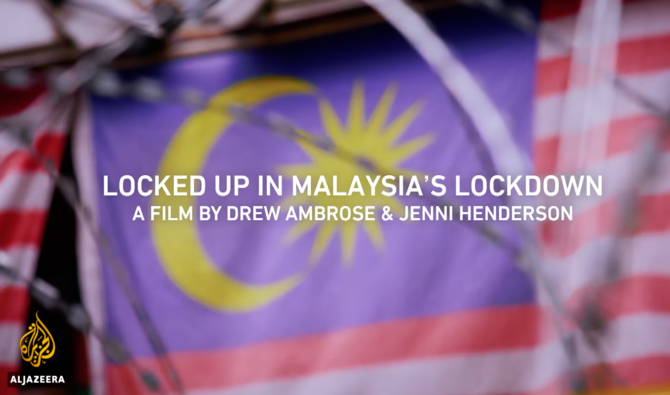
Al Jazeera shocked by the response from Malaysian authorities to its documentary ‘Locked Up in Malaysia’s Lockdown’ and worried about the safety of its staff

Al Jazeera has serious concerns about developments that have occurred in Malaysia since the broadcast of its 101 East investigative documentary, “Locked Up in Malaysia’s Lockdown” on 3 July 2020. The documentary looked at why Malaysia’s illegal foreign migrant workers are at risk in the time of COVID-19.

Malaysian officials have criticised the documentary as being inaccurate, misleading and unfair.

Al Jazeera strongly refutes these charges and stands by the professionalism, quality and impartiality of its journalism.

The 101 East documentary strand, a weekly programme from across the Asia Pacific region, has a reputation for producing in-depth journalism of the highest quality. Many of its programmes have been internationally recognised with prestigious awards from across the globe, including the AIBs.

The episode “Locked Up in Malaysia’s Lockdown” contains the views and experiences of a wide range of people from different backgrounds, including a well-respected Malaysian doctor and Malaysian relief worker on the frontlines. As stated clearly in the film, Al Jazeera acknowledges that Malaysia’s Covid-19 response has successfully contained the spread of the virus. The programme also clearly shows the humanitarian efforts made by Malaysian organisations which provide direct assistance to migrants in need. The episode does not contain the personal opinions of any Al Jazeera staff.

Al Jazeera repeatedly sought to obtain the government’s view, by requesting interviews with a number of senior government ministers and officials.  Repeated requests for interviews were not accepted. Al Jazeera also sought to attend the Defence Minister’s press conferences, but was told only state media could attend. Despite the government’s refusal to be interviewed, Al Jazeera still produced a balanced film by including comments made by the Defence Minister at two press conferences.

The documentary captured events, including immigration raids, as they unfolded in real-time in Malaysia. These events were also widely reported by many other media outlets, both domestically and internationally.

Al Jazeera is deeply concerned that its staff are now subject to a police investigation. Charging journalists for doing their jobs is not the action of a democracy that values free speech. Journalism is not a crime. Al Jazeera also has grave concerns about the sustained online harassment its staff are facing. Reporters have been targeted with abusive messages and death threats. The personal details of current and former staff have been published online, in a serious breach of privacy which could potentially expose them to great risk both now and in the future.

Al Jazeera is also concerned for the safety of those interviewed in the documentary who have also been subjected to abusive online harassment and hate speech. People should feel free to speak with the media and express their views without the fear that they could be targeted. In a world in which the media face increasing threats, Al Jazeera calls for media freedom and the right to report freely without intimidation.

Al Jazeera calls upon the Malaysian authorities to desist from initiating any criminal investigation into its professional, impartial journalism.

Al Jazeera English is prepared to host a representative of the Malaysian government to respond to the matters raised in the documentary.

Edit 15 July 2020

The AIB has written to the Malaysian High Commissioner in London to protest the investigation launched against the team of Al Jazeera journalists who compiled the documentary. You can read the letter here.

AIB history brief – jamming

AIB history brief – jamming

AIB history brief – jamming

They spent more on jamming than the broadcasts cost to produce. That’s the theory around the jamming of western radio broadcasters by the Soviet Bloc during the Cold War years.

Leaders of the communist states were determined to keep control of the information flow to their citizens, fearing that news from abroad would lead to the undermining of their totalitarian regimes.

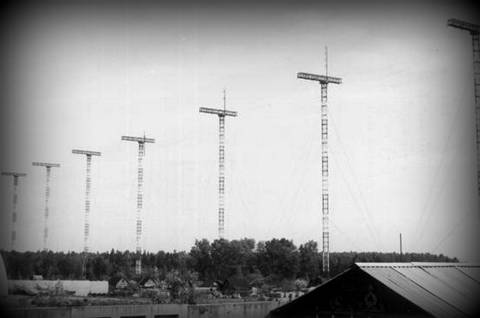
Immense shortwave transmitting stations were constructed across eastern Europe, from the Baltics to the Balkans, not to serve audiences but to hinder them. They were not listed in the International Telecommunication Union’s registers of transmitters in the “white book”, the hugely detailed dataset of the world’s shortwave broadcasting. They were, essentially, transmitters that everyone knew existed yet were maintained “off the books” as state secrets.

As jamming became ever more prevalent – aimed principally at the BBC External Services [now BBC World Service]; Deutsche Welle; Radio Free Europe/Radio Liberty; Voice of America – western broadcasters had to invest more in building ever greater numbers of high powered shortwave transmitters to ensure that their signals reached their listeners across eastern Europe.

If you tuned across the shortwave radio bands in the 1960s, 70s and 80s, you would have heard a cacophony of sound. Over-modulated speech, distorted music – anything that could have the effect of making the original programme all but impossible to hear was used to stop reception.

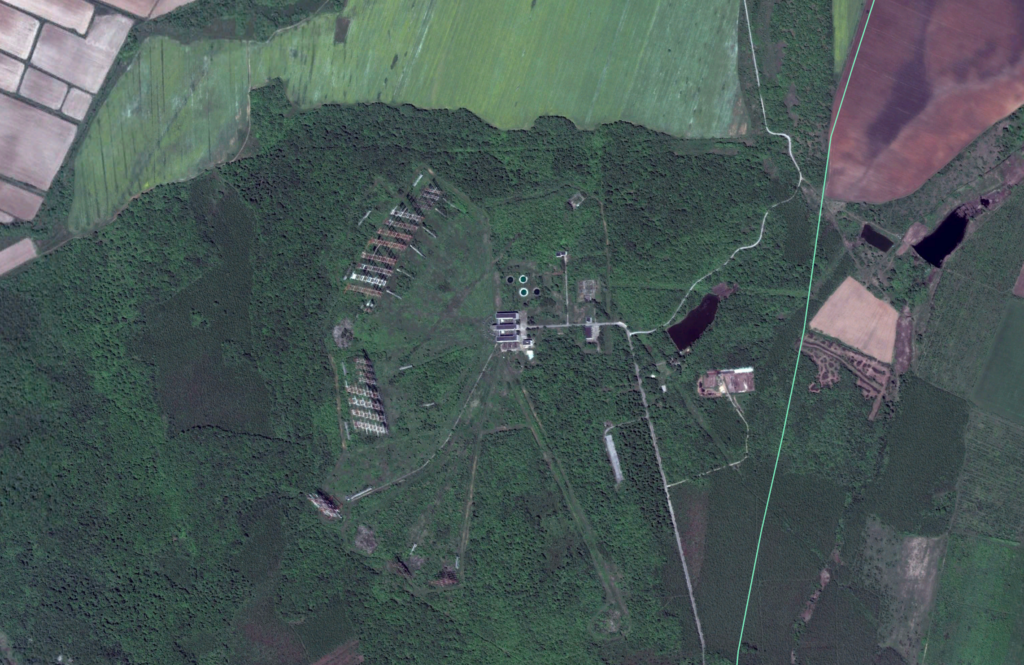
To understand the scale of the operation, it’s worth watching a video produced by RFE/RL about the Padorska jamming station (2012 aerial shot from Google Earth pictured) in central Bulgaria. The immense site is now in ruins, with the antennas removed in the last few years (although Google Maps has a Street View image from 2012 in which the site’s antennas are visible in the distance). One of the technicians who started working at the site in the late 1980s, shortly before the Iron Curtain was lifted, explains how the station operated.
There are a good number of anecdotes concerning jamming. One from 1985 when many BBC employees went on strike and programmes were replaced with music on World Service English and most of the language services. The Soviet jammers had a day off – at least until someone in Bush House, then the home to BBC World Service, decided to play “Back in the USSR” by the Beatles. Within minutes the jammers leapt into life, simply to drown out what was clearly thought to be decadent anti-Soviet music.

The end of the Cold War did not mark the cessation of jamming. It’s continued on shortwave over the past 30 years. At the time of the first Gulf War, Iraq jammed the BBC’s services in the Middle East and more recently North Korea has jammed the signals of Radio Free Asia.

Jamming continues from time to time today. As shortwave broadcasting has slowly faded away, satellites have become the target. Ethiopia has jammed satellites carrying opposition TV channels and Iran regularly jams satellites with Persian-language programmes from abroad. There are no longer immense jamming stations seeking to interfere with programmes from around the world; today’s satellite jammers can use commercially available uplink equipment to try and take out transponders on satellites. The satellite industry has responded, and now far greater levels of security exist that prevent almost all attempts to stop TV and radio signals from reaching their intended audiences.

This does not mean that the free flow of information across borders is guaranteed today. Some governments continue to try to restrict the work of international broadcasters, using tactics instead of wholesale jamming of the airwaves. It’s why the AIB continues to work on media freedom to try to ensure that everyone can access the information they want or need.

Additional resources:

http://www.antentop.org/008/files/jamm008.pdf

https://criticaldistance.blogspot.com/2012/04/jamming-hell-out-of-west.html


UN launches Pause campaign to halt disinformation

UN launches Pause campaign to halt disinformation

UN launches Pause campaign to halt disinformation

The United Nations has launched a new initiative to foster behaviour change and counter the growing threat of misinformation online. The campaign, called Pause, asks digital users to take the time to think about what they share before posting it online.

“Misinformation is spreading faster than the virus itself, and is seriously disrupting public health efforts by dangerously distorting sound scientific guidance. It is designed to exploit our emotions and biases at a time of heightened fear,” said UN Secretary-General António Guterres. “But there are ways users can learn to recognize bad information and slow the spread. We are aiming to have the phrase, ‘Pause, take care before you share,’ become a new public norm.”

A range of media companies around the world, including AIB Members Al Jazeera, Deutsche Welle and France Médias Monde, are distributing Pause content on TV channels, online and via SMS.

Major social media platforms, including Facebook, Twitter, Google (YouTube) and TikTok, have also committed to promoting Pause, while indicating a willingness to scale up their ongoing efforts to suppress the circulation of misinformation.
“It is encouraging to see steps already taken by social media platforms, such as swiftly removing misinformation surrounding COVID-19, flagging harmful content, questioning  sharing intentions and also promoting sound health advice, including from the World Health Organization (WHO),” said Melissa Fleming, UN Under-Secretary-General for Global Communications.

“Just as social distancing slows the spread of the virus, behaviour changes around sharing will go a long way to slow the spread of misinformation. But it can only be meaningfully halted if there is no place for misinformation on social media platforms.”

Pause draws on research from psychologists, neuroscientists and behavioural scientists whose studies indicate that pausing to reflect before sharing can significantly help reduce the spread of unverified and misleading information. The campaign will challenge people to break the habit of sharing shocking or emotive content impulsively and without questioning its accuracy.

The campaign, launched on World Social Media Day (30 June), is part of a larger UN initiative called Verified aimed at increasing the volume and reach of trusted, engaging and accurate information, including with the help of more than 10,000 information volunteers who have already signed on to the effort.

Following its launch in May, Verified has received strong support from governments. In mid-June, more than 130 UN Member States issued a statement on the need to address the “infodemic” related to COVID-19, while welcoming the UN’s pandemic response and the Verified initiative.

Verified is a collaboration between the UN Department of Global Communications and Purpose, one of the world’s leading social mobilisation organisations, in partnership with UN agencies and country teams as well as influencers, civil society and businesses.

Media Freedom Coalition speaks out on Yemen

Media Freedom Coalition speaks out on Yemen

Media Freedom Coalition speaks out on Yemen

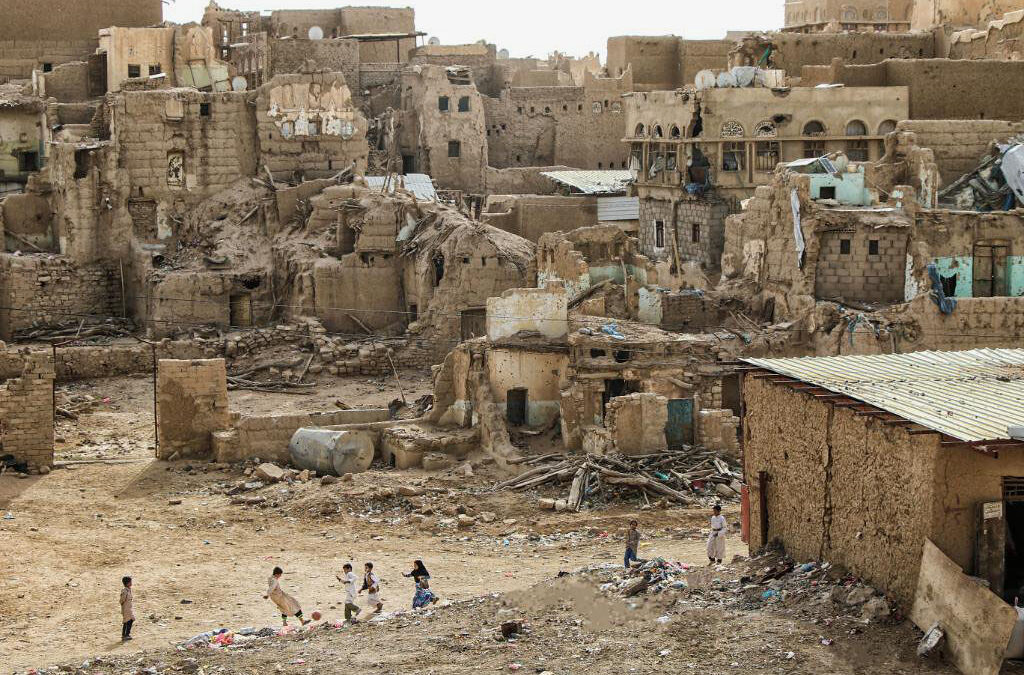
Six members of the Media Freedom Coalition’s Executive Group have expressed their growing concern about the Houthis’ attacks on media freedom in Yemen, where their continued detention of Yemeni journalists is troubling evidence of serious abuses of the right to freedom of expression.

In particular, the Group has condemned the Houthis’ decision to put four Yemeni journalists to death for their reporting, an alarming situation that constitutes a blatant disregard for human rights.

Attacks on media freedom are attacks on human rights, and the protection of journalists and other media workers is critical to the success of any peace-building efforts undertaken in Yemen.

The Executive Group calls on all parties to guarantee the safety of journalists and to respect human rights and international humanitarian law, so that they can carry out their work without fear of detention, reprisals or restrictions  inconsistent with the right to freedom of expression.

The Executive Group also call on the Houthis, to:

  • immediately disavow their decision to put to death the journalists Abdulkhaleq Ahmed Amran, Akram Saleh Al-Walidi, Al-Hareth Saleh Hamid and Tawfiq Mohammed Al-Mansouri and release them
  • immediately release journalists Hisham Ahmed Tarmoom, Hisham Abdulmalik Al-Yousefi, Haitham Abdulrahman Al-Shihab, Essam Amin Balgheeth, and Hassan Abdullah Annab.
  • immediately free all other detained Yemeni journalists and disavow any intention to punish or harm them, and account for those journalists who are missing
  • Refrain from undermining the exercise of the right to freedom of expression by all Yemeni journalists and media workers t in the pursuit of their essential work—without being subjected to further punishment

The Media Freedom Coalition Executive Group members issuing this statement are: Canada, Germany, Latvia, the Netherlands, the United Kingdom and the United States of America.

The Association for International Broadcasting is committed to the principle of media freedom and is a member of the Media Freedom Coalition Advisory Network, representing the interests of broadcasters and news organisations across the world.

Image: Felton Davis/Flickr