TV3 Group offers simulcast translations of channel Ukraina 24

TV3 Group offers simulcast translations of channel Ukraina 24

TV3 Group offers simulcast translations of channel Ukraina 24

On February 27, TV3 Group started rebroadcasting news channel Ukraina 24 on all its platforms in Lithuania, Latvia and Estonia. To make channel content more accessible, TV3 Group has launched an English language live audio track of the channel, while also continuing work on Russian translation, which will be available starting March 2.

TV3 Group will provide most of the day time content translation, aiming to cover more hours by attracting more interpreters.

Channel Ukraina 24 is joint news channel of Ukraine’s biggest media groups and is currently the main source of information about what is happening in the country. It is available on TV3 Group’s Go3, Home3 and TV3 Play platforms.

TV3 Group invites all media companies to join this initiative by adding this channel to your cable and satellite platforms.

The technical parameters for broadcasting are as follows: satellite Astra 4A at 4.8°E, Frequency: 11938 MHz, polariaation: linear Vertical, Standard: DVB-S2, modulation: 8PSK, Symbol rate: 27500, FEC: 5/6, Roll-off 0,2, Service ID: 10650, Channel name: Ukraina 24 International/ languages: Ukrainian (Original), English, Russian and Lithuanian.

As mentioned earlier, the distribution of Russian-produced content is being suspended on all TV3 Group’s platforms and Russian-produced content is being removed from the programs of the media group’s TV channels.

AIB condemns attack on Kyiv TV tower

AIB condemns attack on Kyiv TV tower

AIB condemns attack on Kyiv TV tower

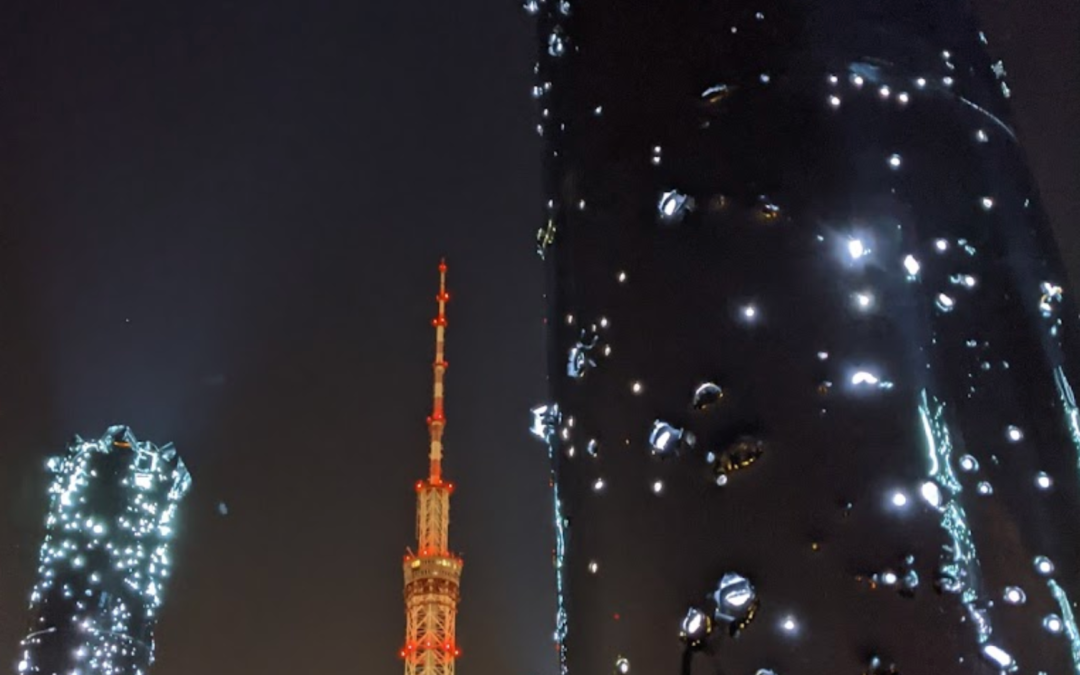
The AIB condemns the attack by Russia on the TV tower in Kyiv on Tuesday 1 March.

The tower is located at Babyn Yar, site of the murder in 1941 of more than 33,000 Jews in 48 hours. It is understood that the Babyn Yar Memorial sustained damage in the attack.

This appears to be an attempt to prevent Ukrainian citizens – men, women and children – having access to critical news and information at a time when their lives are in mortal danger.

It is essential that media organisations in Ukraine are able to report on the situation and the AIB calls on Russia to guarantee the safety and security of all journalists and colleagues in media organisations in Ukraine.

The AIB is also concerned by actions taken within Russia to restrict access to Ekho Moskvy radio and Dozhd TV whose news and information services have been essential for Russian citizens. The AIB is worried that the chief editor and other staff of Dozhd TV feel the need to leave Russia over fears for their safety.

The AIB stands in solidarity with all journalists and media colleagues who are bringing essential news and information from Ukraine to audiences in the country and around the world. It is essential that they are allowed to work unhindered and without threat to them and their families.

​

AIB launches survey on IoT and journalism

AIB launches survey on IoT and journalism

AIB launches survey on IoT and journalism

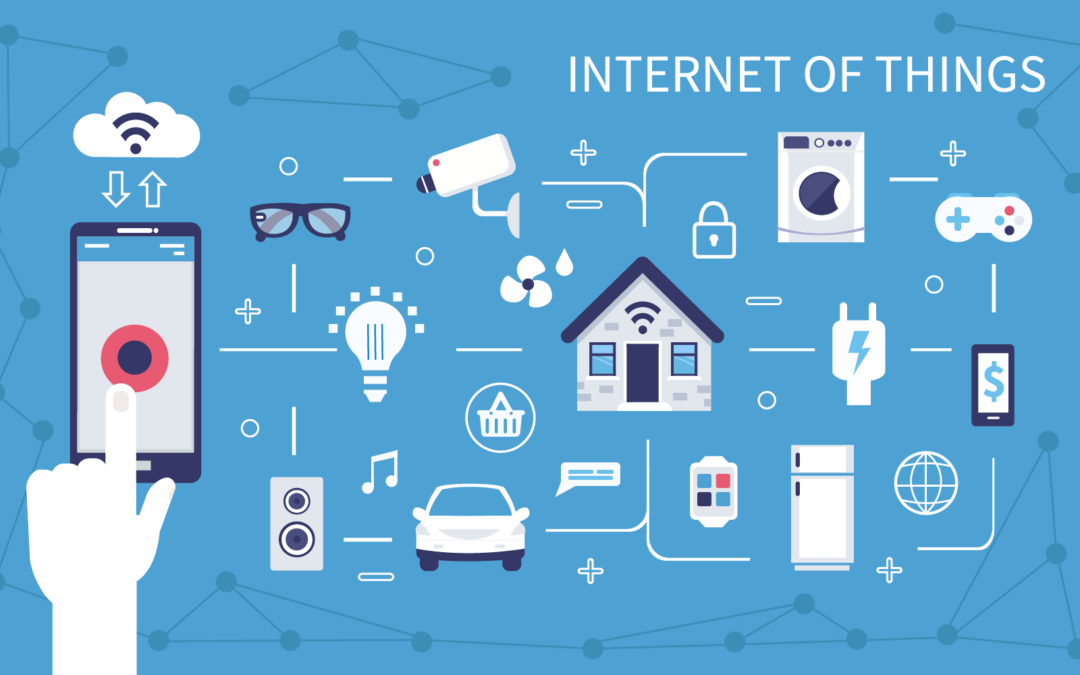
Anjuli Shere, AIB research analyst and cyber security PhD student at the University of Oxford, and pre-doctoral fellow at Harvard’s Shorenstein Center on Media, Politics and Public Policy, is undertaking a major piece of research that to help members of the media understand and counter threats to journalism from novel networked devices, known as the Internet of Things.

This research is necessary because journalists face many threats – from physical attacks while covering protests and riots, to laws citing national security justifications that encroach on source protections, and increasingly, technologies such as spyware. All of these threats can be facilitated and exacerbated by the so-called “consumer Internet of Things” (the IoT): a variety of common networked devices that include gaming systems, smart cars and fitness trackers. While there has been a lot of reporting on the topic of spyware, there is relatively little awareness of the dangers that the IoT poses to journalists and press freedom generally. Like spyware, IoT can monitor messages, location information and daily actions. Unlike spyware, the IoT can also facilitate cyber-physical threats. In an article for The Journalist’s Resource, Anjuli Shere discussed the issues with ubiquitous and designed-for-subtly IoT technologies being effectively an “unknown unknown”.

The AIB has now invited representatives of its Member organisations around the world to take part in the survey, and this is being widened to the whole broadcast news media. 

This survey is intended to evaluate a framework that Anjuli has developed which labels and categorises these threats to journalists and possible countermeasures, to assess if and how these can be useful for journalist risk assessment and management. The survey will cover basic biographical information to establish relevant expertise and experience in the media, as well as questions to collect thoughts on Anjuli’s research. It will take approximately 45 minutes to complete, with a deadline of 1st April 2022.

While the ways in which journalists defend themselves against threats regarding smartphones and laptops are known and documented, Anjuli is researching the impact of novel networked technologies (known as the Internet of Things) on journalism. Anjuli’s goal is to determine which factors (e.g. aspects of logistics, preparation, personnel, etc.) might be sources of best practice and effective for cyber protection for the journalistic ecosystem in the future. It is hoped that this research will be an important step towards protecting media freedom in a world with a rapidly evolving attack environment.

This research study has been approved by The University of Oxford’s Central Ethics Committee (reference: CS_C1A_021_027), and contributes to Anjuli’s doctoral research. 

If you are interested in joining this important research project, please contact the AIB Secretariat on +44 20 7993 2557 or email register [@] aib.org.uk. 


Ukraine media companies offer free materials

Ukraine media companies offer free materials

Ukraine media companies offer free materials

Ukraine’s 1plus1 Media Group is making available to news organisations around the world footage and other material that may be of assistance in covering the situation in the country. The material is on a free-of-charge basis. We reproduce details below.

We are granting access for redistribution to news outlets worldwide and giving the right to archive the material.

  1. The technical parameters for broadcasting our TV-Channels are as follows: satellite Astra 4A at 4.8°E, transponder 12 130 (B22), polarisation vertical, frequency 27500, FEC ¾.


  1. UNIAN, an information agency, which is part of 1+1 media group, has the largest operational photo stock on news in Ukraine. Access to it is open to all media services, influencers and international media agencies. Thus, anyone who is to cover news in the media about Ukraine’s resistance to Russian aggression can use these photos for free.

The agency notes that all photo reporters are working on one and only topic in these crucial days for the country: red-flagging the aggressor country’s crimes and covering the courageous resistance of Ukraine.

All the photos are available in different resolutions, including the maximum one and with no registration needed. https://photo.unian.info/ (English)

  1. 1+1 media group is actively working on debunking fakes in the international media space and also interacting with foreign journalists to massively refute Russian lies, share key information with people all over the world and record the crimes, committed by the Russian Federation in Ukraine. In order to achieve that, TSN.ua news website (ТСН.ua), which is a part of 1+1 media, accumulates all information about military events in Ukraine in the website section “Materials for The Hague“.


  1. Also we have a Twitter account. Only truth, objectivity and breaking news from official sources and witnesses. Created and held by one of the biggest Ukrainian media groups — 1+1 media. https://twitter.com/truth_about_war.


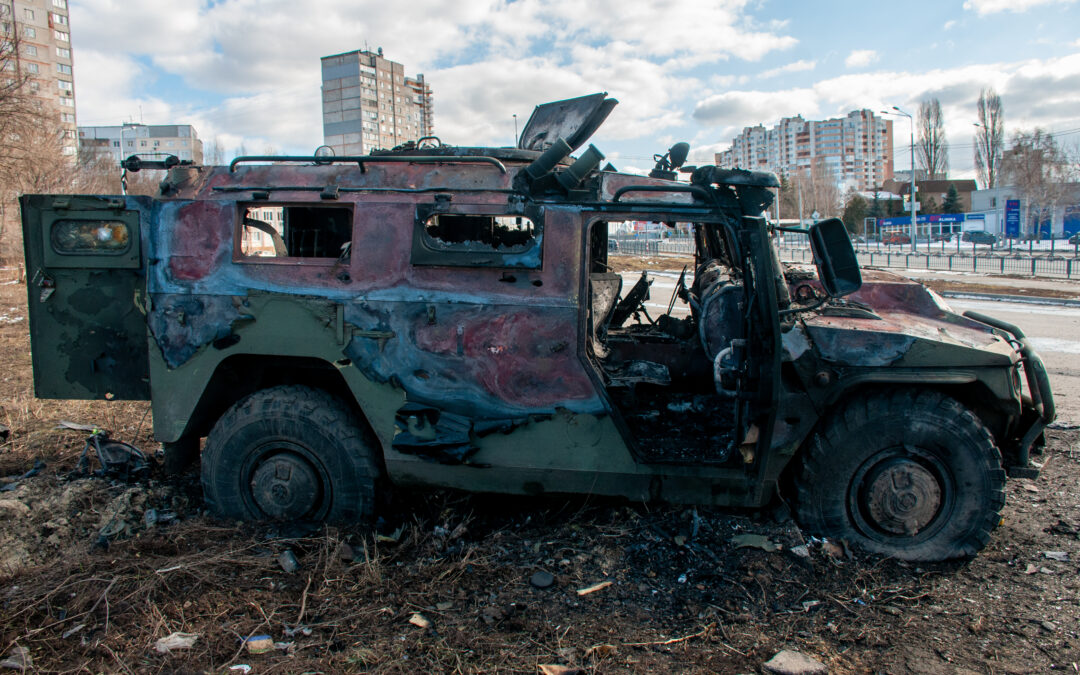
Photo: Marienko Andrii, Kharkiv

NHK WORLD programme highlights March

NHK WORLD programme highlights March

NHK WORLD programme highlights March

NHK WORLD has selected the following highlights from its March programming:

The Michinoku Coastal Trail reveals both the grand nature of Japan’s Tohoku region and the struggles of people to recover from the 2011 earthquake. The 1,000 kilometer path connects four prefectures along the Pacific coast, between Aomori and Fukushima. Join Canadian actor Kyle Card on a trek across the trail as he meets residents and ponders what the future may hold for the region and the country.

Isamu Noguchi is widely regarded as one of the twentieth century’s greatest sculptors. With a Japanese father and an American mother, he felt inspired to create a cenotaph in memory of the atomic bomb victims after World War II. The proposed site was in Hiroshima, but the design was rejected, allegedly because of his American nationality. This year, materials from the cenotaph project are featuring a retrospective of Noguchi’s work across Europe, creating opportunities to ponder the meaning of peace in a time of division and conflict. The program includes newly released audio recordings of Noguchi and perspectives on his struggles to serve as a bridge between the two countries.


Dining with the Chef

Tuesdays 1:30 / 6:30 / 12:30 / 17:30 / 22:30

Traditional techniques and resourceful recipes! Chefs Saito and Rika, present their unique approaches to cooking delicious Japanese food.


Trails to Oishii Tokyo

Wednesdays 14:30 / 20:30 / 3:30 / 9:30

Delicious food from Tokyo’s markets! Learn about the amazing ingredients which are sourced from across Japan and sold at Tokyo’s fresh food markets.

Audiences turn to RFE/RL for reporting about Russia’s invasion of Ukraine

Audiences turn to RFE/RL for reporting about Russia’s invasion of Ukraine

Audiences turn to RFE/RL for reporting about Russia’s invasion of Ukraine

As the world awoke to unprovoked war in Europe, audiences turned to Radio Free Europe/Radio Liberty (RFE/RL) for breaking news and analysis of the escalation. With journalists across the region and RFE/RL’s Ukrainian, Belarus, Russian, and Current Time networks providing on-the-ground coverage, RFE/RL is uniquely positioned to provide the facts to audiences across the region that are being bombarded by Kremlin disinformation.

  • RFE/RL’s networks recorded 13 million page views on their websites on February 24, representing a 159 percent increase over the previous day and a 248 percent increase over the same day one week before (February 17).
  • RFE/RL Ukrainian Service websites, which include content for audiences in Crimea and Donbas, alone recorded 4.7 million page views yesterday, a 313 percent increase over the previous day and 557 percent rise over the same day one week before.
  • Current Time’s live coverage of the early hours of the invasion was viewed more than 10 million times across social platforms, including YouTube and Facebook, reflecting a 25-fold increase over the same day the previous week for Current Time’s morning show.

Jamie Fly, President of RFE/RL, spoke of the importance of providing uncensored news and information and condemned Russia’s aggression: “With Russia’s illegal invasion of Ukraine, our mission to share the facts with audiences that are denied that truth by their governments or that need independent information during a crisis is more important than ever.”

“Vladimir Putin initiated an unprecedented act of war against Ukrainian democracy today, but he has been assaulting the rights of the Russian people and undermining democracies for decades. We will continue to report the truth about him and the Kremlin’s lies and fabrications to our audiences in Russia, Ukraine, Belarus, and throughout the region during this critical moment.”

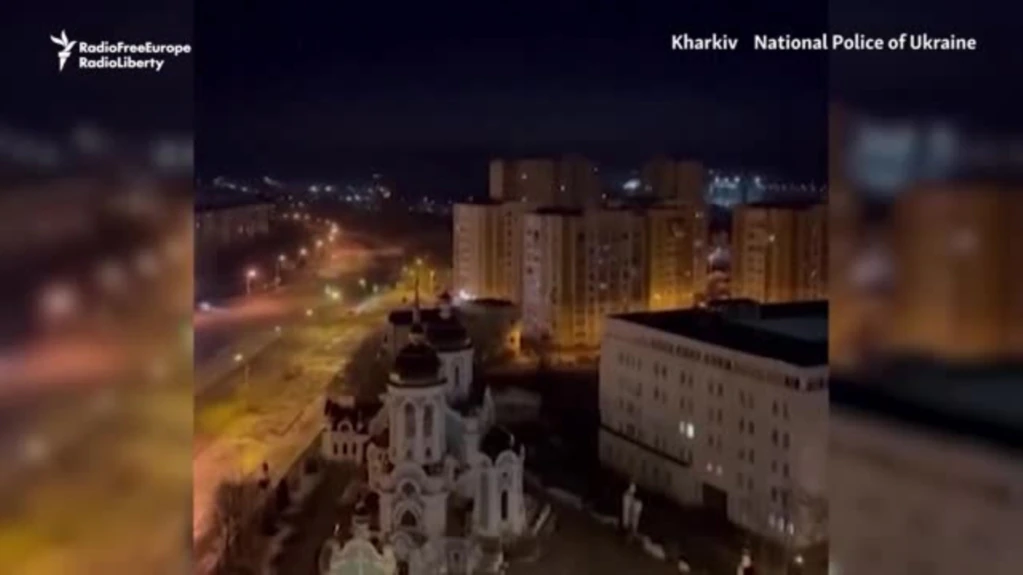
RFE/RL is staying close to the story, offering comprehensive, around-the-clock reporting from our journalists on all aspects affecting our audiences during this conflict. This includes coverage of events Russian authorities would rather ignore, such as the outbreak of anti-war protests across Russia, damage to civilian apartment buildings in Kharkiv as a result of Russian bombardment, and massive traffic jams caused by civilians trying to flee the attack on Ukraine’s capital, Kyiv. RFE/RL continues to counter Russian propaganda through our services’ live videos, in-depth reports and analysis, podcasts, photo galleries, maps, infographics and real-time blogging.

To stay up to date on the latest developments, follow RFE/RL’s Live Briefing: Ukraine Under Attack – updated throughout the day. Several RFE/RL services, including the Ukrainian, Belarusian, Russian and Current Time networks, are also live blogging the invasion, and RFE/RL has also created a list of its most relevant Twitter feeds.

In response to intensified attempts by Russia’s media monitoring agency Roskomnadzor to keep Russian audiences from accessing factual reporting on the invasion, RFE/RL’s Russian Service, Tatar-Bashkir Service, Crimea.Realities, and Current Time units are educating their audiences on a variety of means to bypass online censorship and safely access information. Such efforts to ensure access to RFE/RL content are especially relevant given Roskomnadzor’s recent attempts to force RFE/RL to take down content tied to corruption investigations by jailed opposition leader Aleksei Navalny’s team.