AIB protests arrest of Geo TV editor-in-chief

AIB protests arrest of Geo TV editor-in-chief

AIB protests arrest of Geo TV editor-in-chief

Arrest marks low point in Pakistan media freedom; AIB calls for immediate release of Mir Shakil-ur-Rahman

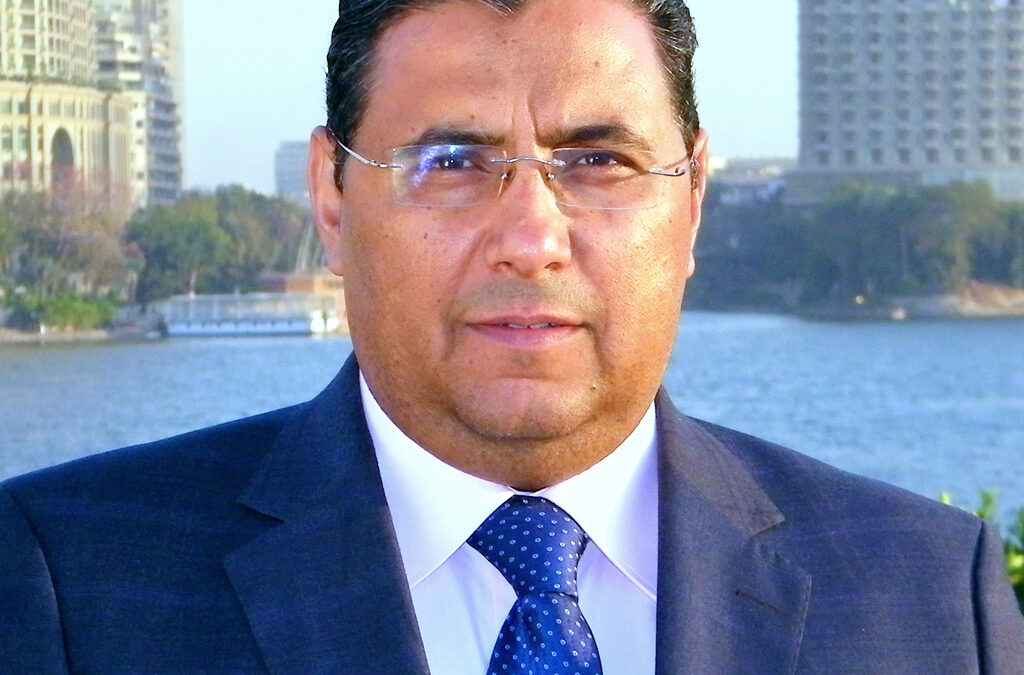
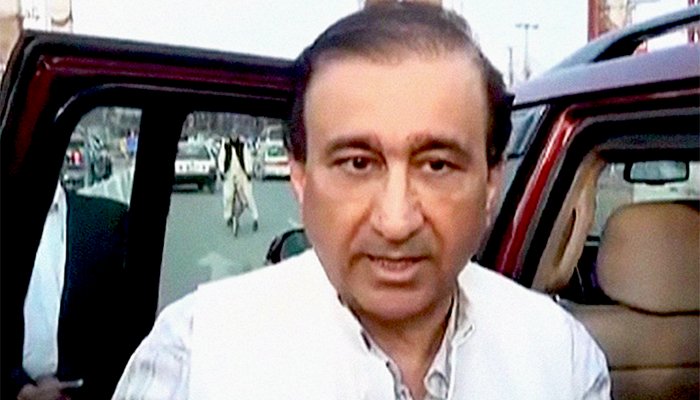
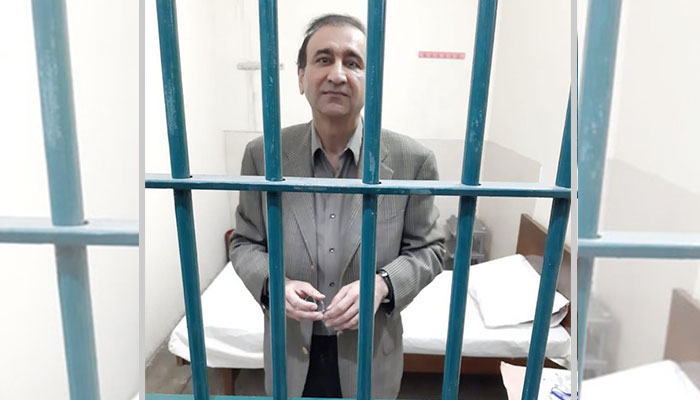
The Association for International Broadcasting has today – 13 March 2020 – called for the immediate release of the Chief Executive, Owner and Editor-in-Chief of the Jang Media Group, Mir Shakil-ur-Rahman. He was arrested on 12 March by the National Accountability Bureau [NAB] of Pakistan in a case over a property transaction that dates back 34 years to 1986. Jang Media Group owns AIB Member Geo TV as well as some of Pakistan’s largest newspapers. 

The arrest appears to be linked to investigations undertaken by Geo TV into the operation of the NAB during the past 18 months. The NAB is a federal institution that is responsible for anti-corruption work in the country.

Commenting on the arrest, a Jang Group spokesperson said: “In the past 18 months, the NAB sent our reporters, producers and editors, directly and indirectly, over a dozen notices, threatening shutdown of our channels (via PEMRA [Pakistan Electronic Media Regulatory Authority]) due to the Jang/Geo Group’s reporting and its programmes about the NAB. In its defence, the NAB has in writing said that it is a constitutionally-protected institution that can’t be criticised.”

“This is a significant and retrograde step for the media industry in Pakistan,” said Simon Spanswick, chief executive of the AIB. “It is deeply concerning that the head of one of Pakistan’s most widely-consumed media groups should be arrested on spurious charges relating to a transaction over a third of a century ago. Due process appears not to have been followed in this case and we call on the Pakistan authorities to immediately release Mir Shakil-ur-Rahman.”

The arrest is the culmination of a continuing campaign that has been waged against Jang Media Group – and Geo TV in particular – over the past two years. In February 2018, a number of cable operators in Pakistan suspended Geo TV from their channel packages, allegedly as a result of direct government pressure to drop the network.

In a press conference on Friday 13 March, the Special Assistant to the Prime Minister of Pakistan on Information and Broadcasting, Firdos Ashiq Aswan, denied that the government had applied any pressure on NAB to arrest Mir Shakil-ur-Rahman.

In a further development, media regulator PEMRA is reported to have directed cable operators to move Geo TV channels to the last positions in EPGs, or to cease carrying the channels.

The AIB will be raising the arrest and the wider pressure being exerted on Geo TV within the Media Freedom Coalition, an international ministerial-level group of 36 nations, at its Advisory Network meeting scheduled for the week of 16 March. In addition, the AIB is making representations to the Pakistan High Commissioner to the United Kingdom.

BBC says some services may go dark as coronavirus crisis develops

BBC says some services may go dark as coronavirus crisis develops

BBC says some services may go dark as coronavirus crisis develops

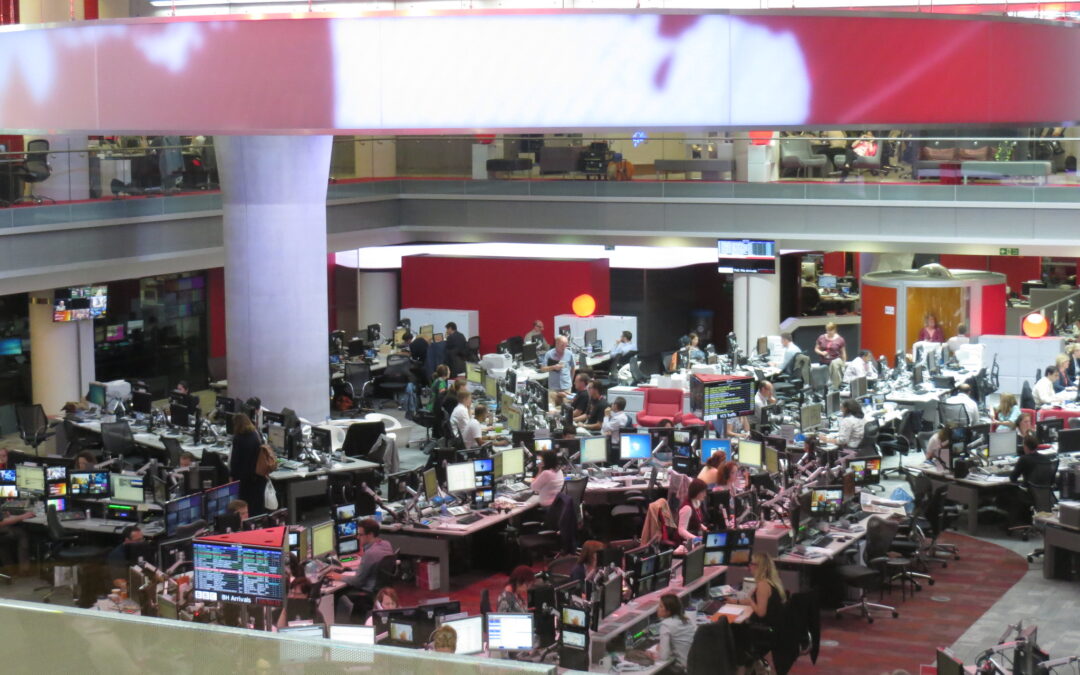
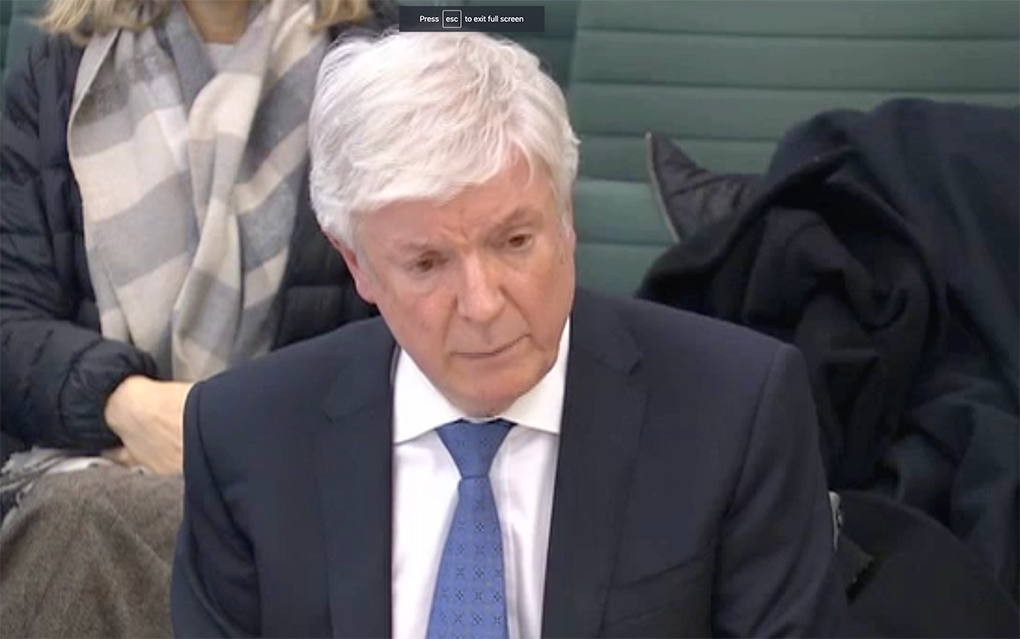
British MPs have been told by the BBC Director General, Tony Hall, that some services could be “out of action” if the corporation’s newsrooms are hit by large-scale outbreaks of the coronavirus. However, Lord Hall said that the BBC is “intent on keeping absolutely everything open”. 

Plans on how to copy with a service being out of action are under review, but the BBC is “gaming out” what would happen if large numbers of staff go sick or have to self-isolate. Hall said “you could imagine a local station or some other part of our news operation being out of action for a period.” 

The BBC’s local radio and TV services have far fewer staff than its national and international services and so have less capacity to cope with widespread sickness. Lord Hall told the MPs that  “at the moment we are intent on keeping absolutely everything open, all our networks going, because we know that globally, nationally and locally, people turn to us for information, as they did during the floods [that hit many parts of the UK in February and early March].”

Lord Hall’s remarks come as many broadcasters are tackling multiple issues, from what to do about cancelled sports events to how to keep operational areas clean and safe. One international broadcaster has reported that a member of staff has been identified as having coronavirus — but only after coming into contact with a number of staff and having used shared studio facilities. As the AIB noted in its coronavirus briefing to Members [https://aib.org.uk/Resources/Members/COVID-19/Coronavirus-AIB-briefing-020320.pdf] it is vital that shared equipment is kept rigorously clean with the use of anti-bacterial wipes on every piece of kit, from edit suite keyboards to headphones. The AIB will be updating its coronavirus briefing from time to time to reflect experiences of many AIB Members, and updated advice from governments around the world. 

UN Special Rapporteurs condemn harassment of BBC Persian staff

UN Special Rapporteurs condemn harassment of BBC Persian staff

UN Special Rapporteurs condemn harassment of BBC Persian staff

Four UN Special Rapporteurs have issued an unprecedented joint statement condemning the harassment of BBC Persian staff and their families.

The statement issued on 11 March 2020 at the UNHRC in Geneva states:

“Journalists working for the BBC Persian Service and other Farsi-language news outlets outside Iran have faced threats, criminal investigations, unlawful surveillance, freezing of assets, defamation and harassment by Iranian authorities. Several journalists have also been targeted for going public about the harassment and seeking protection from the UN.

“Their families residing in Iran have faced harassment and intimidation by Iranian authorities. In some cases, family members were deprived of their liberty and held in degrading conditions, and ordered to tell their relatives to stop working for the BBC.

“Reports also indicate a pattern of gender-based harassment, targeting women journalists since 2009, and including the dissemination of false stories, spreading of rumours and slander, usually with highly misogynistic contents and threats of sexual violence.

“These allegations are extremely concerning and if confirmed, would indicate that the Iranian authorities are prepared to use force extra-territorially, in violation of international law. Harassment, surveillance, death threats against journalists, within and outside domestic boundaries violate international human rights law, including the right to physical integrity, the right to life and the right to freedom of expression.

“When these acts are conducted extra-territorially, as with BBC Persian Services, these acts violate international law regulating the use of force in times of peace. These ultimately constitute serious threats to global security and thus demand strong reactions on the part of the Governments of the countries where BBC Persian Service journalists reside.

“We reiterate our earlier calls to the Iranian Government to cease the intimidation, harassment and threats, including death threats, against BBC and other journalists working outside Iran for Farsi-language news outlets, as well as reprisals against their family members in Iran, which may constitute multiple violations of Iran’s international human rights obligations under international law.

“We call on the States to immediately take action in implementing safeguards to protect the integrity of journalists, their families and their profession.

“The human rights experts urged all States where these journalists are residing, such as the United Kingdom, to protect their personal integrity, and that of their families and their profession. Governments must uphold their responsibility to protect and duty to warn. Governments must respect and ensure the right to life and to reasonably foreseeable threats and situations that can result in loss of life.”

The four Special Rapporteurs are UN experts on extrajudicial, summary or arbitrary executions; the promotion and protection of the right to freedom of opinion and expression; human rights in Iran and human rights defenders. They are:

(1) Special Rapporteur on extrajudicial, summary or arbitrary executions – Agnès Callamard
(2) Special Rapporteur on the promotion and protection of the right to freedom of opinion and expression – David Kaye
(3) Special Rapporteur on the situation of human rights defenders – Michel Forst
(4) Special Rapporteur on the situation of human rights in the Islamic Republic of Iran – Javaid Rehman

In another significant development, BBC Director General Tony Hall issued an appeal to Mr Ali Bagheri Kani, the recently appointed deputy of International Affairs of the Judicial System of Iran and Secretary of the High Council for Human Rights.

In a video message, Tony Hall said: “We made an urgent appeal to the UN in 2017 about the collective punishment of BBC Persian journalists and their families by the Iranian authorities. Since then, we have gained wide support from the EU, the UN and many countries that defend free expression. We appreciate their backing. We hope that the appointment of Ali Bagheri Kani as the new head of High Council for Human Rights in Iran can open a new chapter in relations between the Iranian authorities and the BBC.

“Two years ago we offered to talk directly with the Iranian government in a constructive way to find a new way forward. Mr Bagheri Kani could go some way to address the concerns of the international community if he is willing to accept this offer in a positive spirit, without conditions. I very much hope he does.”

The joint statement by four Special Rapporteurs follows a recent escalation in harassment of BBC Persian staff and their families which has coincided with a crackdown on dissent within Iran and featured express threats being made by state officials to the safety of BBC Persian journalists outside Iran. The UN experts are concerned at reports of serious threats, including death threats, against journalists between January and February 2020.

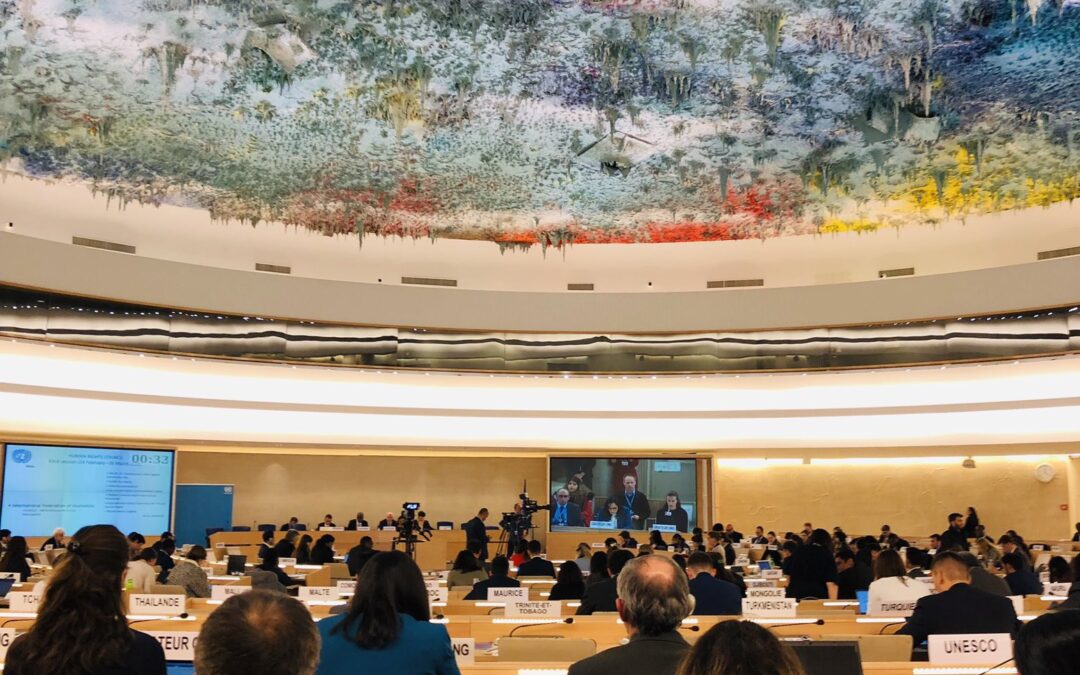
BBC Persian journalist and NUJ member Rana Rahimpour addressed the UNHRC in Geneva on 9 March (pictured above, courtesy Doughty Street Chambers). She told delegates she had received a message threatening that she, her children and her husband would be assassinated within a month. Threats were also addressed to her elderly parents based in the Islamic Republic of Iran, with a warning that they were “within reach”. The message also said that Ms. Rahimpour will be the first employee of the BBC to be killed, and, after her assassination, it will be the turn of other BBC employees.

Women journalists have been regular targets of the Iranian authorities since 2009. Attacks are carried out through the dissemination of false stories, rumours and slander, usually with highly misogynistic content. The threats received by women also tend to include references to sexual violence. As well as threats to BBC Persian staff and their families, similar intimidation has reportedly been extended to other international media organisations, journalists and their families.

Seamus Dooley, NUJ assistant general secretary, said: “The personal testimony of BBC Persian journalists is shocking to hear. Our members working at the BBC and other Persian media outlets have been facing very serious threats to their personal safety, their colleagues and their families, simply for doing their job. It is particularly shameful for the Iranian authorities to target journalists’ children and elderly relatives. The NUJ continues to build a global coalition in support of those affected and we will keep campaigning until the harassment stops.”

BBC Persian employees and their families in Iran have been harassed and intimidated as a direct result of their association with their work at the BBC since 2009. In 2017, Iran introduced a legal injunction preventing BBC Persian staff, former staff, and some contributors, from selling or buying property – in effect freezing all their assets. In July 2017, the Iranian government started criminal investigations into the activities of journalists and other staff working for BBC Persian, alleging their work constituted a crime against Iran’s national security. The injunction continues to deprive them of their human rights under principles enshrined in the Iranian Constitution and punishes their extended families.

The BBC has been engaging with various international institutions since 2017 as a result of the harassment. The legal and advocacy campaign has gained wide support and attention at the UN, European parliament and numerous nation states.

Caoilfhionn Gallagher QC and Jennifer Robinson, international counsel for the BBC World Service at Doughty Street, say: “Iran’s systematic targeting and harassment of BBC Persian staff and their families has long undermined freedom of expression, attacking journalists for their reporting on Iran and aiming to prevent Iranians receiving independent and impartial news on events in Iran and from around the world.

“These new threats against BBC Persian are deeply disturbing and must be condemned in the strongest terms. They strike at the most basic rights of the journalists and their families, including their rights to life and security. Too many journalists are killed each year because of their work. For this reason, states must take measures to prevent and protect against threats like those made against BBC Persian to ensure that journalists can do their jobs without fear.”

Final call for journalism fellowship applications: UN Ocean Conference 2020

Final call for journalism fellowship applications: UN Ocean Conference 2020

Final call for journalism fellowship applications: UN Ocean Conference 2020

As a part of the Ocean Media Initiative carried out by Internews’ Earth Journalism Network (EJN), there is a Fellowship programme for journalists interested in covering the upcoming United Nations Ocean Conference in Lisbon, Portugal, in June 2020.

The UN Ocean Conference 2020 is focused on supporting the implementation of Sustainable Development Goal 14 (SDG14), which is to “Conserve and sustainably use the oceans, seas and marine resources for sustainable development.” This year’s conference will be focused on how science and innovation can be used to scale up action on ocean conservation. This will be the second UN conference focused on SDG14, with the last event held in 2017.

Selected Fellows will be required to attend the entire length of the conference in Lisbon from 2-6 June. Fellows will also benefit from two days of orientation and special briefings prior to the conference.

EJN will cover non-refundable economy-class airfare, accommodation, meals and transportation costs of selected Fellows. We will also facilitate the press accreditation process and provide any other support relating to the trip. Please note that the process of obtaining any necessary visas is the Fellow’s individual responsibility. Visa costs can be reimbursed, however.

Specially designed activities, including orientation sessions, will explore the key issues to be addressed at the ocean conference. Selected Fellows will also have the opportunity to join a field trip related to the conference themes, attend daily breakfast briefings and interviews with high-level officials. They will also receive editorial support from senior journalists with experience in covering these types of events.

This Fellowship is made possible by funding provided by the Calouste Gulbenkian Foundation.

Requirements

Selected participants must be professional journalists or represent an established media house. Please note that applications are open to journalists from any country, but we expect to select:

  • 4 Fellows from a Portuguese-speaking country;
  • 1 Fellow to be from the UK;
  • The remaining Fellows to be from a country in the Global South;

Applicants must also:

  • Be available to arrive in Lisbon on May 30 so they can attend orientation and stay until June 7; 
  • Commit to participate in all Fellowship activities;
  • Produce published stories as a result of their participation in this Fellowship. While we don’t require a letter from your editor supporting your application, we will give preference to those who can show an indication that their work will appear in a media outlet.

More information online at https://earthjournalism.net/opportunities/un-ocean-conference-2020-fellowships where there is also an “apply here” link. Closing date is 7 March at 0900 GMT.

INSI issues coronavirus advisory

INSI issues coronavirus advisory

INSI issues coronavirus advisory

The coronavirus is spreading around the world and is now present in 77 countries and on all continents except Antarctica. As the situation is constantly evolving please ensure you keep up to date with the health authorities’ advice in your own country.

INSI members are cancelling/carefully considering unnecessary travel to protect staff, preparing home working strategies and drawing up contingency plans if major events like the Olympics should go ahead, all while dealing with staff fears and a news agenda almost entirely driven by the fight against the virus. 

Background

Months into the outbreak, health authorities still have limited knowledge of how the virus works and exactly how it is spread. Covid-19 has an estimated average fatality rate of around 1%. In practice that percentage is believed to be lower in young and healthy individuals, but higher in people over 60 and people with underlying conditions, according to the UK Chief Medical Officer.

To put the figure in context, SARS, another coronavirus, had a much higher mortality rate of around 10% but its symptoms were very easily identified and its spread was very limited. Around 8,096 people were affected during the 2002-2003 SARS outbreak and 774 died.

By contrast Covid-19 spreads much more easily from person to person and symptoms can often be mild, making it difficult to identify potential spreaders.

There are also significant differences between Covid-19 and the seasonal flu.

With an estimated average mortality rate of 0.1%, seasonal flu is 10 times less lethal than Covid-19. Most importantly, a vast majority of the population is already immune, or at least partially immune, to seasonal strains of the flu. Vaccine and anti-viral drugs are available for the regular flu.

As Covid-19 is an entirely new virus, there is no immunity at all in the population, no vaccine and no drugs as yet, meaning that an unprecedented number of people may require hospitalisation, putting a great strain on the health system of any country.

Symptoms

The symptoms are fever, a dry cough and shortness of breath. Most people start showing symptoms three to five days after infection, but the maximum incubation period isn’t fully confirmed.

Fever is not always present at the onset and, reportedly, 40% of people who were admitted to hospital in China with Covid-19 did not have a raised temperature. Temperature screening is therefore not a useful tool to detect whether someone is infected, who might be sick, or who might still be capable of spreading the virus.

People in the same risk groups as flu are still thought to be the most affected. That includes people with existing medical conditions, including respiratory problems, but also those with diabetes, heart disease, kidney disease, the immuno-suppressed and, possibly, even pregnant women.

However, not all those who have died were older or had pre-existing conditions.

There have been no known cases of severe infection in anyone who is healthy and under the age of 20.

Transmission

Coronavirus is a respiratory virus and is present in secretions from the nose, throat, mouth and lungs. These secretions are exhaled, coughed, or sneezed out then inhaled. They can also contaminate any kind of mucosal surface such as the eyes, nose and mouth. Some of the larger droplets fall and contaminate surfaces. Tinier droplets can be inhaled and very tiny droplets will actually dry out and become like dust particles. They can remain suspended in the air for a period of time and be inhaled deep into the lungs. These dried out droplets can remain active for hours, or even days, though exactly how long is unknown.

With SARS, another coronavirus, victims only passed on the illness after showing symptoms, which meant that by isolating them the outbreak was brought under control. Diseases like measles, however, are harder to control because the virus can be spread without people knowing that they’re sick. This coronavirus may fall into this category, although this is not confirmed.

The easiest way to control the spread of the virus is by thoroughly and repeatedly washing your hands with soap for at least 20 seconds. If you are in an environment that is contaminated with virus particles, your hands must be clean before coming into contact with your face, nose or mouth. This is a key hygiene precaution that will limit the spread of the virus. Avoid shaking hands.

Scientists estimate that each person who is infected can spread the infection to an average of 2.5 new people.

Tests/treatment

At the time of writing, only government-authorised facilities are able to test for Covid-19. No effective anti-viral drugs have yet been identified but trials are underway.

Masks and goggles

Except in specific circumstances, face masks are not recommended for the general public, as they have not been shown to be protective in any measurable way in studies on the spread of flu viruses. Wearing a mask in wide open spaces, or generally outdoors, is also not useful. 

There are however cases when masks can or should be worn. There are two main kinds of masks:

* Surgical masks: these are the masks most often being worn by members of the public, particularly in Asia where they were common even before the outbreak. They don’t offer protection to the wearer but are instead designed to protect others from sneezes, coughs or simple exhalation. Surgeons use them to avoid contaminating their patients. A surgical mask could be given to someone who is known to be infected or has a cough, cold or the flu in order to protect those around them. Look for a CE mark to show that it meets certain standards of fluid resistance. Fashion masks being sold over the counter with designs on them are unlikely to offer adequate protection.

* High filtration masks: the so-called N95 (in the US) or FFP masks (in the UK and Europe) are used in a medical environment for personal protection. N95 masks are designed to protect against 95% of particles of a 0.3 micron size (the average particle in cigarette smoke, for example, is 0.3 microns in diameter). The equivalent European standard is FFP2 and FFP3 which filters out 94% and 99% respectively. Masks must fit tightly. If air is getting in around the edges the mask will not work. Beards, for example, interfere with the contact between the mask and the edges of the skin. A high-filtration mask with a valve allows you to breathe out and to wear the mask for longer and be more comfortable but removes any protection for others.

If wearing a mask make sure not to touch the outer surface, contaminate your hands and then transfer the contamination back to yourself. In a contaminated environment like a hospital, put on and remove your mask only and exclusively by the straps and wash your hands every time you touch it. Most people don’t do this, making the use of a mask pointless.

Ordinary glasses or sunglasses provide a degree of  protection from a cough or sneeze, making goggles unnecessary, except for those in a high-risk environment.

Contrary to common belief, the majority of modern, large airplanes are actually remarkably clean because of HEPA filtration and air conditioning systems which destroy viruses, even down to the size of coronaviruses. It is advisable to turn on the air vent above your head so the air can push any suspended particle to the ground faster.

Self-isolation

Self-isolation is different from quarantine. Anyone who tests positive for Covid-19 or has been in close contact with someone known to be infected by the virus will be kept isolated in quarantine.

Self isolation is a discretionary preventative measure that applies to people who have a higher chance of having been exposed to the virus. Individual government recommendations vary by country and are being regularly updated. Staff returning from assignments – or holidays – in countries where the coronavirus is more widespread and serious such as China, Italy or Iran are strongly recommended to self-isolate.

That means staying at home for 14 days, not using public transport and not doing anything that might expose others to the risk of infection. As much as possible, people in self isolation should keep to a separate room in the house, or at least  stay two metres away from family members. They should also avoid sharing food or toilet facilities or be the last one to use them before disinfecting.

Viruses are destroyed by detergents, alcohol, extreme drying and heat, so these are all good ways to de-contaminate, especially clothing.

Newsroom safety/working from home

News managers at organisations with offices, staff and freelancers around the world are struggling with conflicting advice from health authorities in different locations, while at the same time covering a story for which there is a huge appetite.

Different governments have different recommendations or regulations about what to do in case a member of staff tests positive for Covid-19. At the time of writing, the UK and other countries’ regulations do not require, nor recommend, closing down an office or sending staff home. However, some members tell INSI they have taken, or plan to take, a much more conservative and cautious approach by asking staff to work from home if at all possible should an employee come down with Covid-19.

However, it is widely agreed that anyone who has any flu-like symptoms (coughs, cold, sneezes) should categorically stay at home. This might be a culture change in some organisations but no one should be going into their work place with germ-ridden hands or runny noses. Employers must keep people with cold or flu symptoms out of the workplace to avoid spreading the virus and the anxiety associated with possible contagion

Organisations should get prepared for large numbers of staff working from home, ensuring they have extra personal laptops and access to VPNs, for example.

For those in the newsroom, public areas, including hot desks, must be thoroughly cleaned with an anti-bacterial cloth or spray. That includes door handles, toilets, shared facilities like kitchens and computer keyboards and mice.

Employees should be vaccinated against flu. The vaccine does not protect against coronavirus but avoiding ordinary flu is a good way of reducing unnecessary anxiety, alarming co-workers or ending up isolated or quarantined for a preventable reason.

Many news organisations are reconsidering foreign deployments entirely and cancelling all non-essential travel. INSI members say this is made slightly easier by a lack of interest in stories other than the coronavirus which is dominating the news agenda.

Plans to manage staff safety at the Euro 2020 football championships, which are scheduled to take place all over Europe this summer, and the Olympics in Japan are still being developed, assuming these events go ahead.

Managing staff abroad

It is essential to get prepared. Make sure local staff know where to go for medical treatment should they get sick. In countries where medical facilities are poor decide whether a trip to the hospital for oxygen, for example, is the best approach, or whether evacuation would be preferable. Reach out to hospitals or public health authorities in advance rather than waiting for something to happen. Have a plan in place at an early stage so you are prepared if staff are infected. Take account of any staff members with a pre-existing condition that could put them at greater risk.

Interviewing recovered patients

People can continue producing the virus for at least 14-16 days after the onset of symptoms. Avoid interviewing or getting close to anybody within that period of time.

Sources: Dr Richard Dawood, the Fleet Street Clinic; UK government; INSI members

Image by AFP via INSI

Belgrade conference on challenges of fake news

Belgrade conference on challenges of fake news

Belgrade conference on challenges of fake news

BBC Director of News to host a conference in Belgrade on the challenges posed to elections by “fake news”

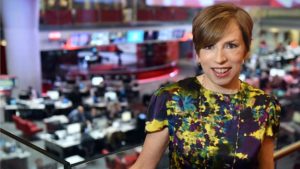
Director of BBC News and Current Affairs, Francesca Unsworth (pictured), will host the “Fake News” and Elections: Challenges for the Media and Audiences conference in Belgrade on 26 February.

The one-day conference will feature BBC journalists and experts from the UK, Serbia and across the Balkans to discuss the role “fake news” plays in general elections and the ways to tackle misinformation.  

Francesca Unsworth says:  “The BBC is committed to fighting ‘fake news’ and disinformation, and for this forum in Belgrade we are getting together with colleagues from the Balkans’ leading news media to have a conversation about the various forms disinformation can take, and to share our experience of dealing with it.  We’ll look at how we can help audiences navigate an incredibly complex flow of claims and counterclaims that we all face every day.”

The conference will discuss reporting the influence of closed social-media groups, the role of targeted political advertising, and the tools journalists can employ to monitor and counter the spread of misinformation.   

The BBC is part of an international effort to fight disinformation through the Trusted News Initiative (TNI) – a BBC-convened partnership linking media organisations and social-media platforms.  The TNI has developed a shared early-warning system to alert partners about disinformation that has the potential to become viral and cause significant harm to the integrity of elections. The TNI is also used for alerting partner media organisations of the misuse of trusted news brands. The partnership includes the BBC, Facebook, Microsoft, Google/YouTube, Twitter, The Wall St Journal, The Hindu, the EBU, the Financial Times, CBC/Radio Canada, AFP, Reuters, First Draft, and The Reuters Institute for the Study of  Journalism.

The BBC conducts media education via projects such as Young Reporter and My World, and exposes and debunks “fake news” through content such asReality Check and BBC Trending – drawing on open-source media insights provided by its specialist division, BBC Monitoring