Al Jazeera shocked by Malaysia authorities reaction to documentary

Al Jazeera shocked by Malaysia authorities reaction to documentary

Al Jazeera shocked by Malaysia authorities reaction to documentary

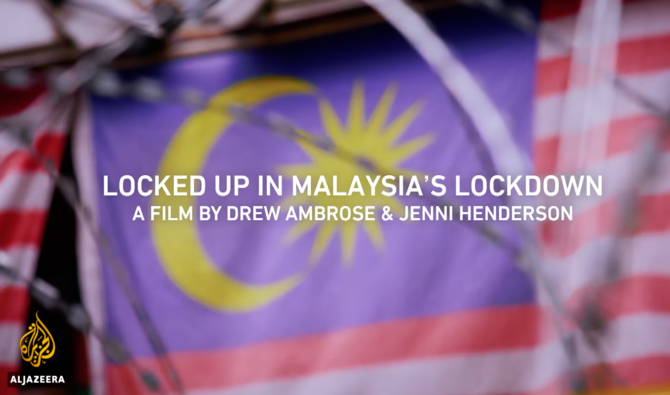
Al Jazeera shocked by the response from Malaysian authorities to its documentary ‘Locked Up in Malaysia’s Lockdown’ and worried about the safety of its staff

Al Jazeera has serious concerns about developments that have occurred in Malaysia since the broadcast of its 101 East investigative documentary, “Locked Up in Malaysia’s Lockdown” on 3 July 2020. The documentary looked at why Malaysia’s illegal foreign migrant workers are at risk in the time of COVID-19.

Malaysian officials have criticised the documentary as being inaccurate, misleading and unfair.

Al Jazeera strongly refutes these charges and stands by the professionalism, quality and impartiality of its journalism.

The 101 East documentary strand, a weekly programme from across the Asia Pacific region, has a reputation for producing in-depth journalism of the highest quality. Many of its programmes have been internationally recognised with prestigious awards from across the globe, including the AIBs.

The episode “Locked Up in Malaysia’s Lockdown” contains the views and experiences of a wide range of people from different backgrounds, including a well-respected Malaysian doctor and Malaysian relief worker on the frontlines. As stated clearly in the film, Al Jazeera acknowledges that Malaysia’s Covid-19 response has successfully contained the spread of the virus. The programme also clearly shows the humanitarian efforts made by Malaysian organisations which provide direct assistance to migrants in need. The episode does not contain the personal opinions of any Al Jazeera staff.

Al Jazeera repeatedly sought to obtain the government’s view, by requesting interviews with a number of senior government ministers and officials.  Repeated requests for interviews were not accepted. Al Jazeera also sought to attend the Defence Minister’s press conferences, but was told only state media could attend. Despite the government’s refusal to be interviewed, Al Jazeera still produced a balanced film by including comments made by the Defence Minister at two press conferences.

The documentary captured events, including immigration raids, as they unfolded in real-time in Malaysia. These events were also widely reported by many other media outlets, both domestically and internationally.

Al Jazeera is deeply concerned that its staff are now subject to a police investigation. Charging journalists for doing their jobs is not the action of a democracy that values free speech. Journalism is not a crime. Al Jazeera also has grave concerns about the sustained online harassment its staff are facing. Reporters have been targeted with abusive messages and death threats. The personal details of current and former staff have been published online, in a serious breach of privacy which could potentially expose them to great risk both now and in the future.

Al Jazeera is also concerned for the safety of those interviewed in the documentary who have also been subjected to abusive online harassment and hate speech. People should feel free to speak with the media and express their views without the fear that they could be targeted. In a world in which the media face increasing threats, Al Jazeera calls for media freedom and the right to report freely without intimidation.

Al Jazeera calls upon the Malaysian authorities to desist from initiating any criminal investigation into its professional, impartial journalism.

Al Jazeera English is prepared to host a representative of the Malaysian government to respond to the matters raised in the documentary.

Edit 15 July 2020

The AIB has written to the Malaysian High Commissioner in London to protest the investigation launched against the team of Al Jazeera journalists who compiled the documentary. You can read the letter here.

ABC sets out five year plan

ABC sets out five year plan

ABC sets out five year plan

ABC Managing Director David Anderson has launched the ABC’s five-year strategy and outlined proposals to address budget cuts while protecting the Corporation’s independence and Charter responsibilities for all Australians.

“The ABC Five-Year Plan 2020-2025 will guide us as we continue to transform from a traditional broadcaster to the nation’s most trusted and valued digital content provider across all platforms,” Mr Anderson told ABC employees.

“This strategy lays out the next steps in the ABC’s proud 88-year history, ensuring that now and into the future we remain the home of Australian stories, trusted information and conversations that connect us all.”

Mr Anderson said proposed savings initiatives aligned with the five-year plan, ensuring the ABC is more relevant to more Australians with a greater focus on accessibility and the on-demand digital services audiences now expect.

Mr Anderson said the Federal Government’s indexation pause, which cut the ABC’s budget by $84m over three years with an ongoing reduction of $41m a year from 2022, coming on top of the $64m in ongoing cuts imposed in 2014, made difficult decisions affecting jobs and services inevitable.

“The proposals announced today ensure the ABC can enhance its value to all Australians now and into the future,” he said.  “However, we anticipate we will farewell as many as 250 people through this process, valued colleagues who have made tremendous contributions to the ABC and to our audiences.

“This is a difficult time for us, as it is for the broader economy and community as we all struggle with the events of this year.”

ABC Chair Ita Buttrose said “the ABC Five-Year Plan is a robust blueprint for the future of the ABC that emphasises the important role the ABC plays in the Australian way of life.”

The proposed savings initiatives include:

 Giving ABC Life a new editorial direction and name, ABC Local, sourcing content from across the ABC, including outer suburban and regional areas.

 A greater focus on digital and on-demand news services, including discontinuing the 7.45am broadcast-only radio news bulletin and shifting focus to provide news across all our audio platforms.

 Rebranding ABC Comedy to create a home for a range of genres, such as Arts, Science, Education and Religion. Comedy will continue to be commissioned for ABC main channel and a destination on iview.

 Reducing independent production by approximately $5m p.a., predominately from the factual and entertainment slate, with the ABC prioritising investment in Drama and Children’s programming.

The proposed initiatives are in addition to reduced numbers in management and support teams and identified savings greater than 2% through current vacancies, redundancies and reducing operating costs.

The ABC has also reduced travel budgets by 25%, with a greater reliance on technology to connect the workforce.

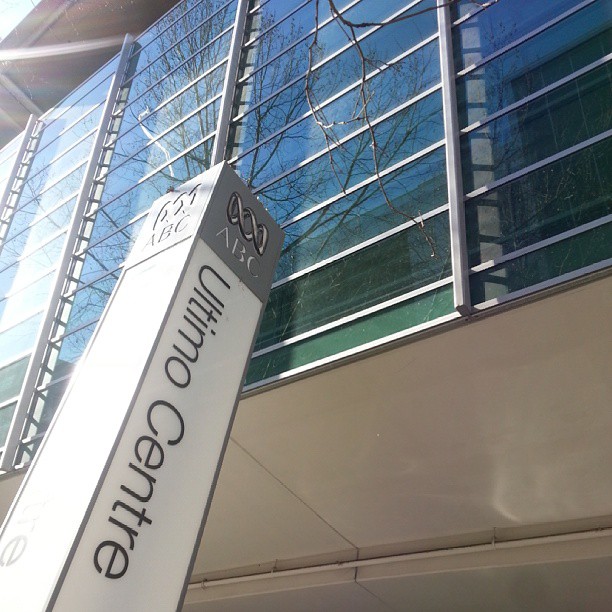
A review of the ABC’s property portfolio will consider options to either improve our accommodation, lease vacant space or relocate if it is more beneficial.  Assessing spare capacity for leasing in ABC Ultimo could potentially create a $4 million p.a. saving. A portion of this could be reinvested in services.

Increased investment in regional centres reflects another important commitment in the Five-Year Plan and will see 75% of content-makers working outside the Ultimo headquarters by 2025, ensuring greater engagement with local communities.

Mr Anderson told employees both he and the ABC Chair Ita Buttrose would continue to seek the Government’s endorsement for a five-year funding period to give the ABC certainty in delivering this plan for all Australians.

“The ABC Five-Year Plan 2020-2025 is just the start of this next stage in the ABC’s history,” Mr Anderson said. “We will uphold the highest editorial values, remaining Australia’s best and most trusted source of news and information and continuing to deliver the best public interest journalism that strengthens our democracy.”

“The ABC Five-Year Plan is a commitment to the ABC tradition of telling Australian stories that are accessible, bold and creative.  Our message to the Australian people is clear.  Now, more than ever, we are your ABC.”

Image: Flickr/Stilgherrian

UN launches Pause campaign to halt disinformation

UN launches Pause campaign to halt disinformation

UN launches Pause campaign to halt disinformation

The United Nations has launched a new initiative to foster behaviour change and counter the growing threat of misinformation online. The campaign, called Pause, asks digital users to take the time to think about what they share before posting it online.

“Misinformation is spreading faster than the virus itself, and is seriously disrupting public health efforts by dangerously distorting sound scientific guidance. It is designed to exploit our emotions and biases at a time of heightened fear,” said UN Secretary-General António Guterres. “But there are ways users can learn to recognize bad information and slow the spread. We are aiming to have the phrase, ‘Pause, take care before you share,’ become a new public norm.”

A range of media companies around the world, including AIB Members Al Jazeera, Deutsche Welle and France Médias Monde, are distributing Pause content on TV channels, online and via SMS.

Major social media platforms, including Facebook, Twitter, Google (YouTube) and TikTok, have also committed to promoting Pause, while indicating a willingness to scale up their ongoing efforts to suppress the circulation of misinformation.

“It is encouraging to see steps already taken by social media platforms, such as swiftly removing misinformation surrounding COVID-19, flagging harmful content, questioning  sharing intentions and also promoting sound health advice, including from the World Health Organization (WHO),” said Melissa Fleming, UN Under-Secretary-General for Global Communications.

“Just as social distancing slows the spread of the virus, behaviour changes around sharing will go a long way to slow the spread of misinformation. But it can only be meaningfully halted if there is no place for misinformation on social media platforms.”

Pause draws on research from psychologists, neuroscientists and behavioural scientists whose studies indicate that pausing to reflect before sharing can significantly help reduce the spread of unverified and misleading information. The campaign will challenge people to break the habit of sharing shocking or emotive content impulsively and without questioning its accuracy.

The campaign, launched on World Social Media Day (30 June), is part of a larger UN initiative called Verified aimed at increasing the volume and reach of trusted, engaging and accurate information, including with the help of more than 10,000 information volunteers who have already signed on to the effort.

Following its launch in May, Verified has received strong support from governments. In mid-June, more than 130 UN Member States issued a statement on the need to address the “infodemic” related to COVID-19, while welcoming the UN’s pandemic response and the Verified initiative.

Verified is a collaboration between the UN Department of Global Communications and Purpose, one of the world’s leading social mobilisation organisations, in partnership with UN agencies and country teams as well as influencers, civil society and businesses.

BBC World Service delivers free minute bulletins in Nigeria

BBC World Service delivers free minute bulletins in Nigeria

BBC World Service delivers free minute bulletins in Nigeria

BBC World Service is partnering with MTN Nigeria to deliver BBC News Minute bulletins, free of charge to subscribers of the MyMTN App in English, Hausa, Igbo, Pidgin and Yoruba.

This is the first time an international news organisation will feature in the MyMTN App. BBC News Minute is the BBC’s 60-second news round-up that keeps audiences across different demographics up to date with what is trending and shared on social media as well as the latest local and global news – updated at regular intervals 24 hours a day seven days a week. It will showcase the latest news in sport, tech, entertainment, science and more to the BBC’s number one audience in Africa – Nigeria.

Audiences will be able to enjoy on demand BBC News Minute at various intervals during the day and night.

The partnership will serve Hausa, Igbo, Pidgin and Yoruba audience looking for curated short form news and bring BBC Minute in local languages to the fingertips of customers in Nigeria.

With the increase in fake news across Nigeria and the African media landscape this partnership will ensure that MTN customers receive accurate and verified news from the BBC.

MTN Nigeria is Africa’s largest provider of communications services, connecting over 64 million people in communities across the country with each other and the world. It has established an active community on the myMTN app with over four million monthly active users.

Oluwatoyosi Ogunseye, Head of West Africa Languages, BBC World Service says: “This partnership with MTN is at the core of the BBC’s commitment to reaching audiences wherever they may be. It is one of the ways in which the BBC is demonstrating its commitment to Nigeria and we are thrilled about this new engagement with young audiences in this country.”

Also speaking on the partnership, Chief Digital Officer, MTN Nigeria, Srinivas Rao says: “We are proud of this partnership. It is one of the ways we offer young Nigerians more channels to consume relevant information. In an era where fake news spread easily especially through social media, credible platforms like this make a lot of difference.”

Kolawole Oyeyemi, General Manager, Customer Experience, says: “It is also a demonstration of our passion to deliver the best customer experience possible to our customers who use myMTN App, so they have relevant and authentic news they can use on the go, completely free of charge.”

Mary Lusiba, Head of African Business Development, BBC World Service, says: “This exciting deal will raise brand and awareness of BBC World Service for young consumers. It will build on the well established reputation of the BBC for quality news and information and reach out to a new generation of Nigerians. The launch is timely as content will also update audiences on the Covid-19 pandemic in Africa.”

DW Global Media Forum kicks off, virtually

DW Global Media Forum kicks off, virtually

DW Global Media Forum kicks off, virtually

As restrictions on international travel continue, a range of conferences have migrated to the cloud, including Deutsche Welle’s Global Media Forum. It will launch the first in a series of online events on 24 June with a digital session on the responsibility of the media in times of the coronavirus pandemic. It is the first of a series of digital talks and will be hosted by DW journalist Jaafar Abdul Karim. A discussion titled “The blame game: What is the media’s responsibility in the corona crisis?” will take place on June 24, at 1500 CET (GMT/UTC +2) with speakers from Africa, Latin America and Europe and will be streamed on Facebook.  

The session will take a close look at how populists have hijacked the COVID-19 pandemic for their own gain. It will examine the trustworthiness of news outlets on which journalists are relying during the pandemic. It will also explore how journalists can combat misinformation and disinformation – tactics constantly employed by populists and demagogues.

The host is Jaafar Abdul Kari, an award-winning journalist and host of DW’s show Jaafartalk, which reaches an audience of millions in the Arab world.

The speakers:

John-Allan Namu, CEO of Africa Uncensored, Kenya

Africa Uncensored is an investigative and in-depth journalism production house in Nairobi, Kenya. Its aim is to be the premier source of unique, important and incisive journalism.

María Esperanza Casullo, Associate Professor at the University of Río Negro, Argentina

Casullo’s work focuses on populism, democratic theory and Latin American politics, with an emphasis on comparative studies and discourse analysis.

Guido Bülow, Head of News Partnerships Central Europe at Facebook, Germany 

Bülow is responsible for the strategic initiatives and programs to promote quality journalism and an informed society in the Europe, the Middle East and Africa (EMEA) region. These include cooperation with independent fact-checkers and Facebook’s accelerator program for local media.

More information on this session: https://p.dw.com/p/3dUfy 

Join the session here: https://www.facebook.com/events/281481139639894/

80th anniversary of iconic de Gaulle broadcast commemorated

80th anniversary of iconic de Gaulle broadcast commemorated

80th anniversary of iconic de Gaulle broadcast commemorated

Thursday 18 June marks the 80th anniversary of General Charles de Gaulle’s historic first broadcast to occupied France from the BBC’s Broadcasting House.

Just days after Paris surrendered to the invading Nazis, General de Gaulle made on the BBC his first broadcast to France, in which he called on the French soldiers and officers, military engineers and workers in the armament industry, who were or would be on the British soil, to rally under his command in London. “I ask you to believe me when I say that the cause of France is not lost… For, remember this, France does not stand alone… Whatever happens, the flame of French resistance must not and shall not die.”

The BBC’s Director General, Tony Hall, says: “Eighty years ago today, the BBC gave its airwaves to General Charles de Gaulle to address the people of occupied France. He called on them to keep the ‘flame of resistance’ alive. Although the world is very different today, there are still many places where media freedom is under threat. I’m proud that it is still the BBC World Service which allows people to speak freely to their compatriots.”

The broadcast, L’appel du 18 juin, became a defining moment of the French history. This and the following BBC broadcasts by de Gaulle – for which he was condemned in France to death for treason against the Vichy regime – helped to rally the French resistance movement and lift morale in the occupied country.

After the war, to thank the BBC for its singular World War Two broadcast contribution, the French government presented the BBC with a specially commissioned tapestry ‘Le Poète’ [pictured] made by Jean Lurçat, inspired by a poem by Paul Éluard, ‘Liberté’. A metaphor for the role of the Resistance in fighting against Nazism, but also for the importance of broadcasting and freedom of speech, it hangs in the Artists’ Lobby at the BBC’s Broadcasting House.

Photo credits: BBC