UK launches plan to ensure safety of journalists

UK launches plan to ensure safety of journalists
UK launches plan to ensure safety of journalists

The British government has published the UK’s first national action plan to protect journalists from abuse and harassment.

  • Plan sets out how journalists will be protected from threats of violence and intimidation
  • Includes new measures to research the problem and training for police forces and journalists
  • Broadcasters, publishers, social media companies, law enforcement, industry bodies, unions and the government all make pledges

It follows reports to the government from journalists who have suffered abuse and attacks while going about their work, including being punched, threatened with knives, forcibly detained and subjected to rape and death threats.

A survey of members of the National Union of Journalists in November also found more than half of respondents had experienced online abuse while nearly a quarter had been physically assaulted or attacked.

The plan will increase awareness of the safety challenges faced by journalists operating in the UK and introduce measures to tackle them in a joint effort by law enforcement, broadcasters, publishers, industry bodies, unions and the government.

Measures include new training for police officers as well as aspiring and existing journalists, and commitments from social media platforms and prosecution services to take tough action against abusers – including responding promptly to complaints of threats to journalists’ safety.

The plan has been endorsed by the National Committee for the Safety of Journalists, membership of which comprises industry stakeholders including the National Union of Journalists and Society of Editors.

It will be reviewed as necessary on an ongoing basis and supports the wider work the government is doing to uphold freedom of speech, in particular protecting journalistic content from censorship and takedown online. The Government is also publishing a broader update today on its ongoing work to tackle intimidation in public life.

Prime Minister Boris Johnson said:

“Freedom of speech and a free press are at the very core of our democracy, and journalists must be able to go about their work without being threatened.

“The cowardly attacks and abuse directed at reporters for simply doing their job cannot continue.

“This action plan is just the start of our work to protect those keeping the public informed, and defend those holding the government to account.”

Culture Secretary Oliver Dowden said:

“Attacks on journalists are not only horrendous for those individuals but an assault on our democracy. Today’s action plan will make sure journalists can go about their vital work without fear.

“But just as we protect the physical safety of journalists we must protect their freedom to write and report too. Tackling worrying trends on online censorship of journalistic content and controversial views, we will ensure our forthcoming online safety laws build in robust protections for journalism.”

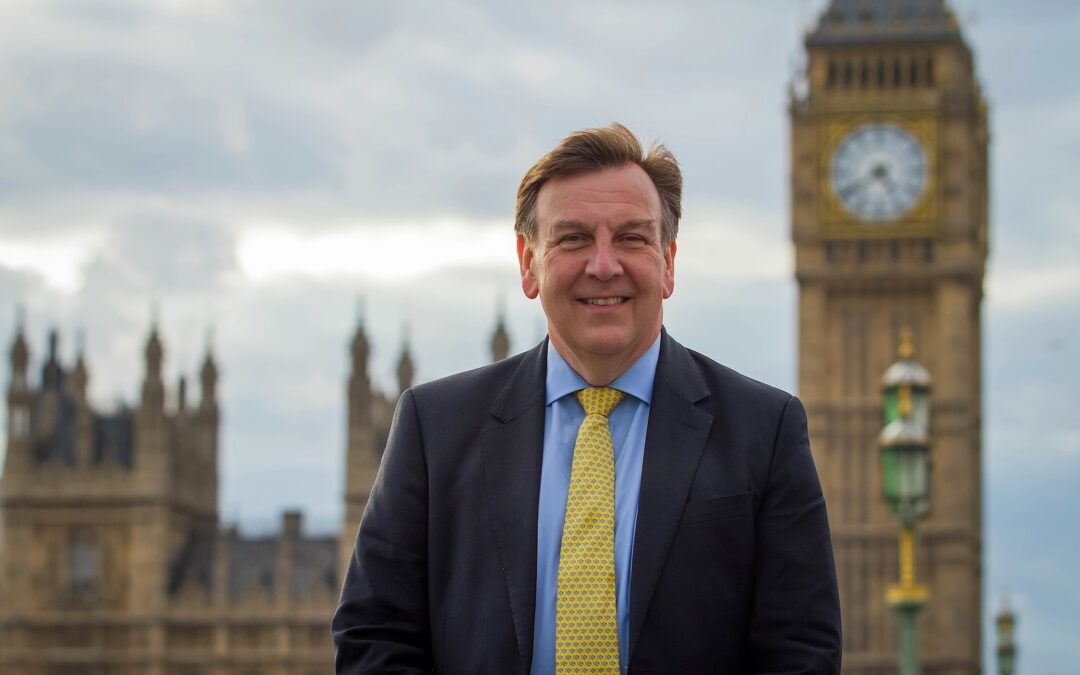
Minister for Media and Data and Chair of the National Committee for the Safety of Journalists, John Whittingdale (pictured above), said:

“We will not tolerate a world where journalists are silenced through fear or censorship and want the UK to set an international example for the respect, treatment and protection of those working in the field. This plan is the first step towards achieving those aims.”

The plan sets out a series of commitments from relevant organisations focused on protecting the safety of journalists based in the UK.

The government

The Department for Digital, Media, Culture and Sport (DCMS) and the Home Office will shortly issue a call for evidence to build a better understanding of the volume and type of threats and abuse against journalists. It will build on existing reports from journalists – for example, of hospital admissions following assaults and online death threats – to develop a targeted approach to tackling the issue.

The Foreign, Commonwealth and Development Office (FCDO) will use its global network, including its co-chairship of the Media Freedom Coalition, to share insights and strategies on the protection of journalists, with the aim of strengthening approaches in other countries.

Online platforms

With online abuse being one of the biggest challenges facing journalists today, particularly for BAME and female journalists, Facebook and Twitter have committed to respond promptly to complaints of threats to journalists’ safety.

The government is already tackling online abuse through the forthcoming Online Safety Bill. All social media users, including journalists, will be better able to report abuse and be supported by the platforms if they do so.

Online platforms will be required to protect users and enforce their terms and conditions or face sanctions – including fines of up to 10 per cent of their annual turnover or having their services blocked. The Bill will also enshrine in law protections for journalistic content and free debate online.

Police

The National Council for the Training of Journalists (NCTJ) will work with the police which will provide training for journalists reporting on police operations, initially through a workshop at the University of Portsmouth.

The police will engage with the National Union of Journalists (NUJ), the Society of Editors and others to update their training offer for police around journalists covering demonstrations and investigating crime against journalists.

Every police force is to be given access to a designated journalist safety liaison officer while the National Police Chiefs’ Council has appointed a lead officer – Chief Constable Gavin Stephens – to take responsibility for crime against journalists at national level.

Media organisations

Organisations such as the Media Lawyers Association will produce further guidance to help journalists recognise and understand when abuse breaks the law and what they can do about it. The NCTJ will provide safety training for student journalists while the NUJ and Society of Editors will collate and host a free online support pack for journalists.

Publishers and broadcasters have committed to providing new training for staff and freelancers on managing threats. They will review and collaborate on safety policies and ensure they are well publicised, and establish designated safety officers within their organisations.

Prosecution services

Freedom of expression and the right to receive and impart information are recognised and protected by law. Criminal offences committed against journalists exercising those rights jeopardise both the right to free speech and public service, and prosecutors rightly take such offences extremely seriously.

In the plan, the separate UK prosecution services for England and Wales, Northern Ireland and Scotland reaffirm their commitment to taking a robust approach to crimes against journalists and bringing those responsible to justice.

Ian Murray, executive director of the Society of Editors said:

“The Action Plan recognises the urgency of protecting journalists carrying out their vital role in protecting democracy.

“Due to their role in holding the powerful and those in authority to task journalists attract strong reactions. But this should not manifest itself in ways that threaten journalists and their families. This action plan makes that clear.”

NUJ general secretary Michelle Stanistreet said:

“Attacks on journalists are designed to silence and intimidate those who work to uphold the public’s right to know. NUJ members have shared horrific experiences of being attacked, abused and threatened – on and offline – simply for doing their job.

“It’s clear that reported incidents are the tip of the iceberg and that harassment and abuse has become normalised. This action plan, with its range of practical measures and protections, is an important step towards changing that and ensuring journalists can get on with their vital work free from harassment or intimidation.”

News Media Association chief executive David Newell said:

“The coronavirus crisis has thrown a spotlight on the importance of trusted news and information yet abuse of journalists, often on social media, has risen markedly over the same period.

“There can be no place in our democratic society for abuse and attacks on journalists, which constitute a threat to free speech, and the national action plan is a welcome development to help address this.”

Chair of the National Police Chiefs’ Council’s Communications Advisory Group, Chief Constable Gavin Stephens said:

“Journalists are a vital cog in a functioning society and deserve to be respected for the role they play in providing a public information service and holding authorities to account.

“Any restriction of those values severely impacts public confidence and trust both of which are core principles in policing and what drive the communities we serve to be safe and feel safe.

“I’m committed to raising awareness within policing of the long term damaging impact that targeting journalists can have and will be doing so through my new role. The impact of these crimes is not just on individuals and their welfare but also on press freedom itself, which has to be upheld and protected.”
France licences Chinese international channel CGTN

France licences Chinese international channel CGTN

France licences Chinese international channel CGTN

/Flickr:Fred RomeroFrench media regulator, the Conseil Supérieure de l’Audiovisuel [CSA], has granted a licence to international channel CGTN.

In February 2021, UK regulator Ofcom stripped the Chinese international channel of its UK broadcasting licence after an investigation that revealed that the channel is under the control of the Chinese government. Direct government control of a broadcaster is not permitted under UK law. As a result of the licence revocation, CGTN went off the air in the UK and a number of other countries in Europe.

CGTN applied to the CSA under the Europe-wide legislation that allows a channel that is uplinked from a European state to apply for a licence in that territory. CGTN is uplinked to the Eutelsat fleet. Eutelsat is domiciled in France.

In a statement the CSA said that CGTN will be subject to a French law enacted in 1986 that says that broadcasters must prevent incitement to hatred and violence. In addition they must guarantee respect for human dignity, as well as remaining impartial. The regulator has said that it will monitor CGTN closely to ensure that the channel complies with these legal requirements.

The announcement came on the day that the President Director-General of France Médias Monde – the holding company of France’s international TV and radio services – was interviewed on France Inter. During the interview, Marie-Christine Saragosse talked about the increasing activity of China in international broadcasting and the need for France to have its voice clearly heard.

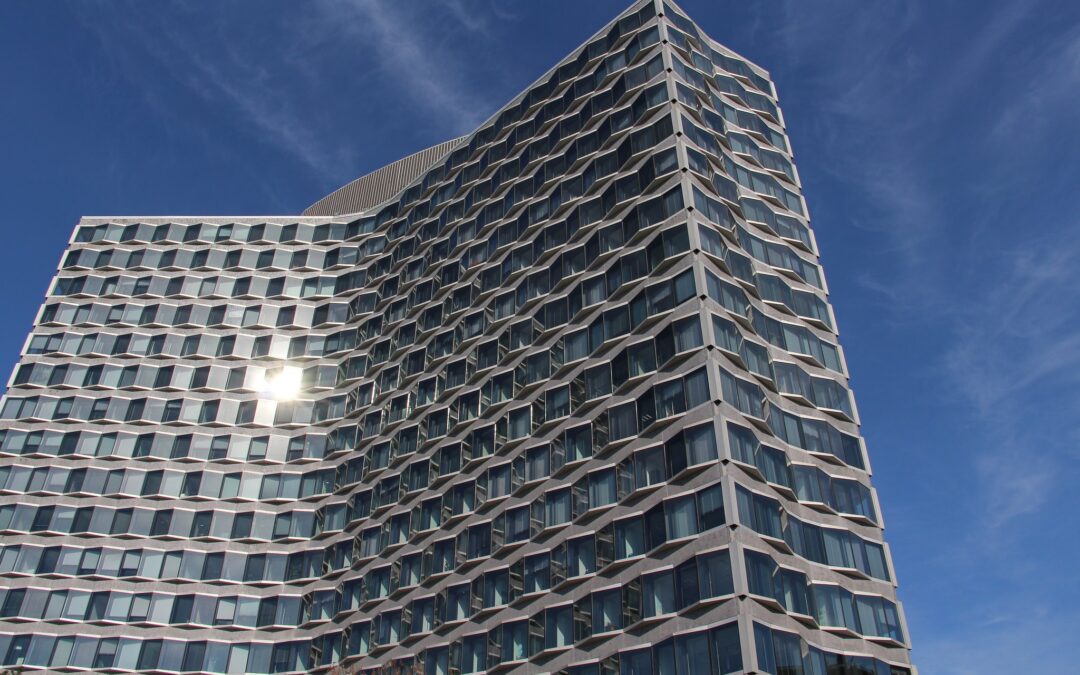
Image: Tour Mirabeau in Paris where the CSA is based/Flickr: Fred Romero

Bangladesh #trending launches from BBC on Channel i

Bangladesh #trending launches from BBC on Channel i

Bangladesh #trending launches from BBC on Channel i

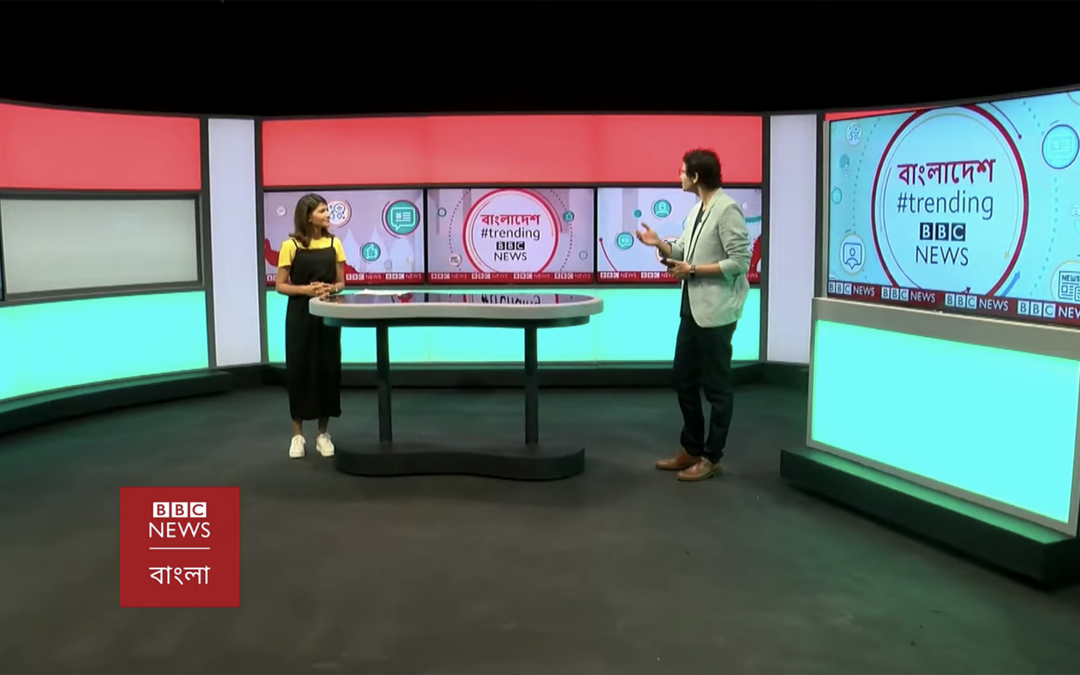
Bangladesh #trending, is a new programme from BBC News Bangla on Channel i, that aims to tap into social-media conversations among young audiences to engage them in discussion of viral and trending topics. Presented by the BBC’s Faisal Titumir, the weekly programme will explore trending topics from different angles as well as fact-checking the rumours that often go viral on social media.

BBC News Bangla editor, Sabir Mustafa, comments: “As Bangladeshi youth increasingly get their news from social media, we realised a need for a programme tailored for these younger audiences – to inform them about the trends and to explore together the truths and the untruths. There will be no topics that are out of reach or are taboo for Bangladesh #trending.”

With what the BBC describes as its slick story-telling, informal chats with young contributors, eye-catching graphics, social-media posts and topical interviews, Bangladesh #trending breaks new ground on the Bangladeshi TV scene. It also further diversifies the BBC News Bangla TV content broadcast by Channel i which broadcasts the current affairs programme, BBC Probaho, and the BBC’s technology programme, Click.  

Director and Head of News of Channel i, Shykh Seraj, says: “Channel i has been partnering with BBC for quite a long time, now presenting so many different programmes for the audience. The Bangladesh #trending initiative is going to be a landmark hashtag for people countrywide, and stories will spread even faster as the key topics will come out from the social-media trends that went viral. We will get to discover citizen journalism in the most exciting manner.”

Designed for young audiences, the dynamic show engages social-media activists from across the Bangladeshi socio-economic spectrum in lively debates, providing them with a platform to share their take on trending issues.

In each edition of Bangladesh #trending Faisal Titumir will moderate between two panellists from the programme’s pool of young social-media activists, to explore the week’s trending issues. Audiences will connect with the programme via Facebook and Twitter.

Faisal Titumir is known to those who watch BBC programmes on Channel i or via the BBC News Bangla website or YouTube channel, as the presenter and producer of the BBC’s weekly technology programme, Click. The BBC News Bangla radio listeners know him as a co-presenter of the Social-media Chit-Chat and the weekly sports round-up. 

Faisal, who has a major social-media following of his own, says: “Whether they connect with us by social-media posts or by talking directly on our programme, I want to make sure young audiences always see Bangladesh #trending as their platform where we get together to chat, informally and freely, about the week’s trending topics that have touched us.”

Aired by Channel i at 9.35pm Bangladesh time on Mondays – replacing the Monday edition of BBC Probaho – Bangladesh #trending is also streamed via the website bbc.com/bangla and is available on demand via the BBC News Bangla YouTube channel

BBC News Bangla reaches a weekly audience of 12.6m people (BBC Global Audience Measure 2020) across platforms.  Its radio programmes, produced in London and Dhaka, air on the state FM network, Bangladesh Betar, as well as on shortwave and via bbc.com/bangla

RFI condemns attack on journalist’s home

RFI condemns attack on journalist’s home

RFI condemns attack on journalist’s home

Radio France International (RFI) has condemned an arson attack that targeted several houses in Niger’s capital, Niamey, including that of its correspondent, Moussa Kaka.

“RFI notes that this attack comes four days after the second round of the presidential election and that Moussa Kaka was targeted as a journalist.

“This is a very serious attack on the freedom of the press. RFI gives its full support to its correspondent, condemns this act and will continue to defend the freedom to inform,” the Paris-headquartered broadcaster said in a statement

Moussa Kaka has been the target of attacks in the past, and has been imprisoned by the authorities in Niger for allegedly having ties with Tuareg rebels and plotting against the government. 

Facebook bans news in Australia – wherever it’s from

Facebook bans news in Australia – wherever it’s from

Facebook bans news in Australia – wherever it’s from

Global social media platform Facebook has, according to Australian Prime Minister Scott Morrison, “unfriended Australia”. Morrison’s comments follow the closing of all news providers’ Facebook pages – whether domestic or international – in response to a proposed law in the country that would force companies like Facebook pay for news content on their platforms.

The ban has taken away access to the Facebook feeds of public broadcasters ABC and SBS, commercial news channels such as Nine Network, as well as whole raft of other organisations that may have only the most tenuous connection with news – such as Brisbane-based Podnews which reports on developments in podcasting across the world. Commercial radio’s trade association, Commercial Radio Australia, has also had its page blocked, although the Community Broadcasting Association of Australia has escaped the Facebook axe as this article was being prepared. The AIB’s main Facebook page has been blocked and our awards website appears to have had its contents filtered

Many Australian government Facebook pages were blocked, along with pages of organisations such as the Bureau of Meterology and Queensland Health – both later restored. A list of affected pages was compiled on this Twitter feed. A Google document keeping tab on pages that are down has also been created by Elliott Bledsoe.

In addition, the pages of news organisations across the world – including the BBC, Al Jazeera, New York Times for example – are now not accessible in Australia.

In a statement on the issue made by Managing Director David Anderson, the ABC said:

ABC News is Australia’s number one digital news service and the nation’s most trusted news outlet.

The ABC’s digital news services will always remain free and accessible to all Australians on the ABC website and via the ABC News app, providing independent and reliable news, information and analysis.

Despite key issues such as the COVID-19 pandemic having ongoing effects on all Australians, Facebook has today removed important and credible news and information sources from its Australian platform. 

We will continue our discussions with Facebook today following this development.

Facebook’s Managing Director for Australia and New Zealand issued a statement saying that “with a heavy heart” it was choosing to stop allowing news content on its services in Australia.

The social platform is a major source of news in Australia, according to the Reuters Institute Digital News Report: In spite of this, Facebook says it generates little revenue from news although it is clear that news is one of the drivers for people to use the platform.


Unlike in Myanmar where VPNs allow the country’s citizens to circumvent the military’s ban on the Internet and social platforms, the use of virtual private networks does not help in Australia. That’s because Facebook has stopped the pages at source and disabled the content. It’s unclear whether the assets of all the items that a major news organisation such as the ABC are preserved on Facebook servers to allow the page to be reactivated if the social platform reverses its decision in the future.


Have you been affected? Let us know by sending us your comments or story at editorial [at] aib.org.uk.

Global Task Force for Public Media speaks out on China BBC ban

Global Task Force for Public Media speaks out on China BBC ban

Global Task Force for Public Media speaks out on China BBC ban

The following is a statement by the Global Task Force for public media:

The Global Task Force for public media is deeply concerned by the decision of the government of the People’s Republic of China to ban BBC World News from broadcasting in the country. The ban was announced on February 11, 2021 by the National Radio and Television Administration, China’s media regulator.

RTHK, Hong Kong’s public broadcaster, also announced that it will no longer carry BBC World Service or BBC News Weekly in Cantonese, as of February 12, 2021.

Taken together, these actions severely restrict access to trusted sources of news and media freedom within the region. Access to independent journalism is a basic right and critical for citizens everywhere to be informed.

Signed, Global Task Force for public media

David Anderson, Managing Director, ABC (Australia)
Thomas Bellut, Director General, ZDF (Germany)
Delphine Ernotte Cunci, President & CEO, France Télévisions (France)
Jim Mather, Chair of the Board, RNZ (New Zealand)
Hanna Stjärne, Director General, SVT (Sweden)
Catherine Tait, President & CEO, CBC/Radio-Canada, GTF Chair (Canada)
Yang Sung-dong, President & CEO, KBS (South Korea)

About the Global Task Force
The Global Task Force exists to promote and defend the values of public media—access, accuracy, accountability, creativity, impartiality, independence and high standards of journalism—all of which underpin an informed and healthy democracy.