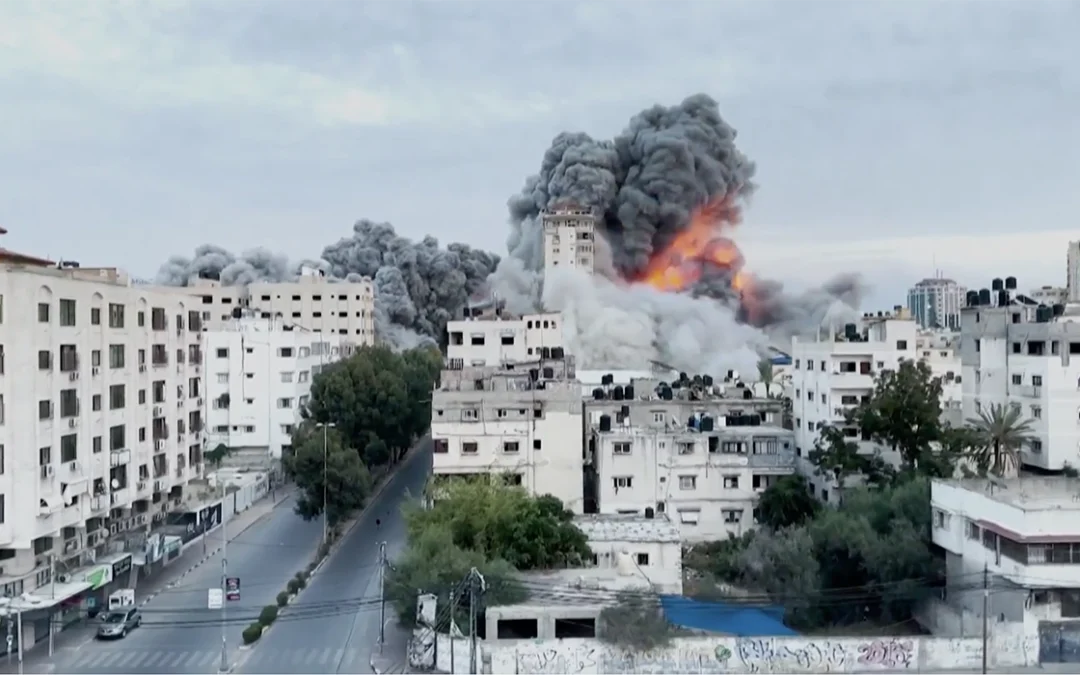
Media Freedom Coalition issues statement on Foreign Media Access to Gaza

Finland has been announced as the new co-chair of the Media Freedom Coalition, a global partnership of 51 countries working together to promote press freedom at home and abroad.
Finland begins its two-year term as co-chair alongside Germany, which became co-chair in January 2024.
Finland succeeds Estonia, which has been MFC co-chair since July 2023. Finland will officially take over the co-chair role on 1st July 2025.
Promoting freedom of the press is a priority for the Finnish Government, which ranks 5th on Reporters Without Borders’ World Press Freedom Index. In Finland’s view, media freedom is a key pillar of a democratic society and has an important role in contributing to comprehensive security. Issues related to media freedom are also high on the agenda of Finland’s Chairpersonship of the OSCE in 2025.
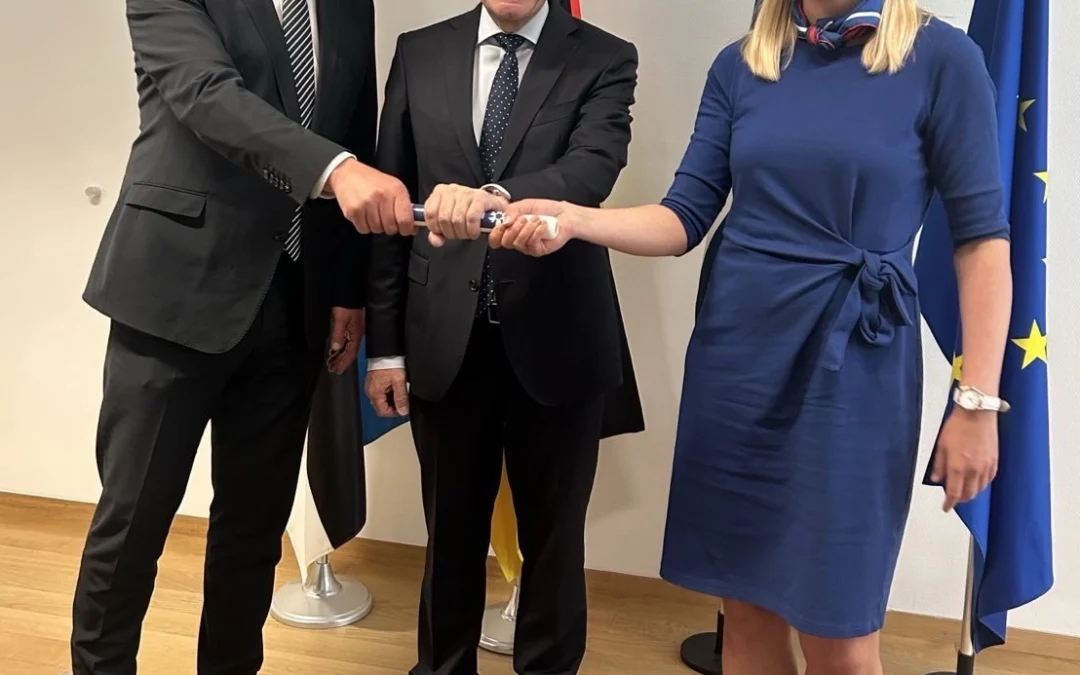
Elina Valtonen, Finland’s Minister for Foreign Affairs, formally accepted the co-chairship from her Estonian counterpart, Foreign Minister Margus Tsahkna, at the EU Foreign Affairs Council in Brussels on 23rd June 2025.
Foreign Minister of the Federal Republic of Germany Johann Wadephul was also present for the handover.
Minister Valtonen said: “Our co-chairmanship will focus on protecting journalists and improving media literacy and on broader issues related to global freedom of speech. It is a pleasure to work with Germany on these important themes.”
Minister Tsahkna said: “It has been a great honour for Estonia to co-chair the Media Freedom Coalition from July 2023 until June 2025. I wish to sincerely thank the Netherlands and Germany for the excellent cooperation during our joint chairmanships. The need to protect media freedom has never been more urgent, and we have been fighting globally for free and independent media both online and offline. Together with MFC member States and other important stakeholders, we have stood up for journalists at risk and defended the right to free and independent media globally. I warmly welcome Finland, a country with a strong record on media freedom, as a new co-chair of the Coalition. I am confident they will continue this vital work with determination and vision.”
Minister Wadephul said: “Protecting media freedom is protecting freedom itself. Without a free press, societies cannot be free. Thank you very much, Estonia, for being an outstanding partner and Co-Chair in the global fight for media freedom. Today more than ever, we need independent and courageous journalists that can report the facts to the world unimpededly and that can speak truth to power relentlessly. That is why we are very much looking forward to spearheading the work of the Media Freedom Coalition together with incoming Co-Chair and esteemed partner Finland.”
The Media Freedom Coalition was established in 2019 by co-founders the UK and Canada, and has since grown to 51 member countries from six continents. Member countries work together on a range of activities to protect media freedom around the world, such as diplomacy to support journalists at risk, the provision of emergency visas to journalists fleeing their country, and reforming laws to better protect journalists and media workers.
The Coalition’s latest annual report highlighted that the MFC has acted on 22 cases of journalists at risk during 2024, while embassies of MFC members had spoken out on a further 15 cases. The report also highlighted 123 actions by MFC member embassies around the world, such as visiting imprisoned journalists, providing funding, and organising events.
To do its work, the Coalition works closely with a group of the world’s leading press freedom and media support organisations (the Consultative Network – the AIB is a member of the CN), a group of leading lawyers and judges from around the world (the High Level Panel of Legal Experts on Media Freedom), and international organisations including UNESCO.
Image: Minister Tsahkna (left), Minister Wadephul (centre) and Minister Valtonen (right) during the co-chairship handover
US-funded media organisations Radio Free Europe/Radio Liberty (RFE/RL) and Middle East Broadcasting Networks (MBN) are bringing millions of people in Iran and across the Middle East real-time, 24/7 news coverage of the war between Israel and Iran.
As fighting began over the weekend, Iranians surged to RFE/RL’s Persian-language Service, Radio Farda, for responsible news and information. On Friday 13 June, Farda’s extremely popular Instagram profile attracted 62.5 million video views, a spike of 344%, and traffic to its website rose by 77% compared to its 30-day average. Farda is increasing its coverage to include ten-minute audio news bulletins at the top of the hour 24/7 to meet the needs of our audiences.
Even before the war began, more than 6.6 million Iranians, ten percent of the adult population, accessed Farda each week to get news that was not produced by the state-controlled propaganda networks.
Farda also provides the outside world a valuable and unparalleled look inside the Islamic Republic. This report features listeners from Tehran describing the intensity of the Israeli attacks on the country’s nuclear facilities.
Across the Arab Middle East and North Africa, where news is often state-controlled and anti-American, MBN’s Alhurra.com and social media platforms are covering the Israel-Iran hostilities for millions of Arabic speakers. They featured exclusive interviews with high-level figures such as former U.S. State Department Spokesman and Iran expert Alan Eyre and former Israeli National Security Advisor Eyal Hulata.
A segment with Hulata, “Why Israeli Jets Didn’t Use Saudi Airspace,” attracted more than 53,000 views in less than 40 minutes. Another clip, “How Israel Targeted Iranian Leaders Simultaneously,” also garnered strong audience engagement.
This coverage comes as the United States Agency for Global Media (USAGM) attempts to shutter RFE/RL and MBN by unlawfully cancelling their grant agreements.
As a result, MBN has been forced to terminate 90 percent of its staff and RFE/RL has furloughed some staff and reduced programming. USAGM shut down a transmitter it owns in Kuwait that Farda could use to reach the people of Iran. It has since been reactivated for use by Voice of America (VOA) for only 15 minutes a day after USAGM executives called VOA’s Persian Service back to work on short notice to cover the hostilities and give voice to U.S. officials and experts.
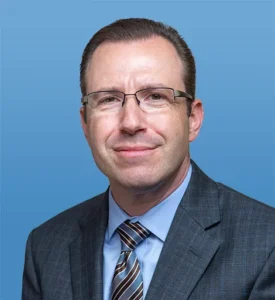 Ilan Berman, a leading Iran analyst who serves on the boards of RFE/RL and MBN (pictured), said:
“This is the most decisive moment in modern Iranian history since the Islamic Republic’s founding in 1979. America needs to seize it to talk directly to the Iranian people – to educate, to inspire and to tell them that a different future could lie ahead. The more we can do that, the better.
“I’m glad RFE/RL and MBN are still functioning, albeit at diminished capacity. The current conflict with the tyrannical rulers of Iran underscores the need for American voices to counter the lies and disinformation of U.S. adversaries. These tools can’t be allowed to disappear.”
Berman was the Trump administration’s transition team leader at USAGM before new leadership arrived earlier this year.

In celebration of Black History Month Channelbox launched two new channels from Africa: Nigbati and 4ACETV on Freeview UK channel 271.
Symbolically debuting in October, Black History Month, 4ACETV embraces the rich contributions of Black artists and musicians, celebrating their influence across genres like Afrobeat, Grime, and RNB. This launch not only highlights diverse musical expressions but also serves as a reminder of the vital role that Black culture plays in shaping the global music landscape.
Nigbati TV is a dedicated 24-hour entertainment channel celebrating the culture, tradition, and language of the Yoruba people. Nigbati TV aims to foster a deeper understanding and appreciation of Yoruba culture both within and beyond the Yoruba-speaking community, serving as a vital platform for cultural preservation and promotion.
Together, these channels will showcase the richness of Black stories, traditions, and artistry, fostering a broader appreciation of vibrant narratives within the community and beyond.
Channelbox, a prominent player in the UK broadcasting landscape, is committed to delivering a broad range of high-quality, diverse content to viewers nationwide. Available on Freeview channel 271, Freely 561 and through Channelbox’s mobile applications, the platform offers over 70 TV channels and supports FAST channel monetization, enhancing its appeal to both viewers and advertisers.
Tanya Kronfli, Head of Business Development at Channelbox, commented, “We are excited to welcome Nigbati TV and 4ACETV to our platform. This additions not only broadens our content offering but also aligns with our mission to deliver diverse and engaging programming that resonates with our audience.”
The organisations—which include the Associated Press, Agence France-Presse, BBC, CNN, The Guardian, The New York Times, The Washington Post—point out that no independent media access to Gaza has been permitted since the start of the war, increasing the pressure on domestic journalists, and creating a space for mis- and disinformation to flourish.
“More than 100 journalists have been killed since the start of the war and those who remain are working in conditions of extreme deprivation. The result is that information from Gaza is becoming harder and harder to obtain and that the reporting which does get through is subject to repeated questions over its veracity,” the organisations say in the letter, which was coordinated by the Committee to Protect Journalists.
The letter comes ahead of a planned visit by Israeli Prime Minister Benjamin Netanyahu to the United States, where he is set to meet with U.S. President Joe Biden and address the U.S. Congress on July 24.
CPJ CEO Jodie Ginsberg noted: “President Netanyahu describes Israel as a democracy. His actions with regard to the media tell a different story. International, Israeli, and Palestinian journalists from outside Gaza should be given independent access to Gaza so they can judge for themselves what is happening in this war—rather than being spoon-fed with a handful of organised tours by the Israeli military.”
In addition to news outlets, the signatories—who span more than 26 countries—include professional groups and organisations dedicated to defending press freedom.
Read the full letter:
We, the undersigned, request that Israeli authorities end immediately the restrictions on foreign media entering Gaza and grant independent access to international news organisations seeking to access the territory.
Nine months into the war, international reporters are still being denied access to Gaza except for rare and escorted trips arranged by the Israeli military. This effective ban on foreign reporting has placed an impossible and unreasonable burden on local reporters to document a war through which they are living. More than 100 journalists have been killed since the start of the war and those who remain are working in conditions of extreme deprivation. The result is that information from Gaza is becoming harder and harder to obtain and that the reporting which does get through is subject to repeated questions over its veracity.
We fully understand the inherent risks in reporting from war zones. These are risks that many of our organisations have taken over decades in order to investigate, document developments as they occur, and understand the impacts of wars the world over.
A free and independent press is the cornerstone of democracy. We ask that Israel uphold its commitments to press freedom by providing foreign media with immediate, independent access to Gaza, and that Israel abides by its international obligations to protect journalists as civilians.
Signatories
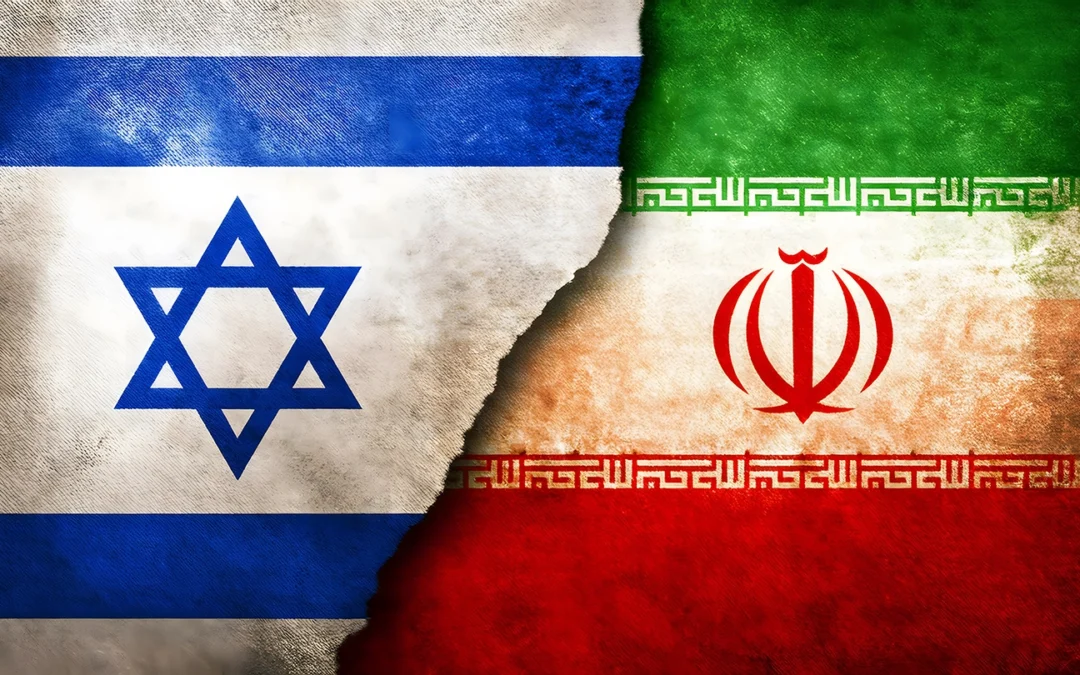
Image generated by AI
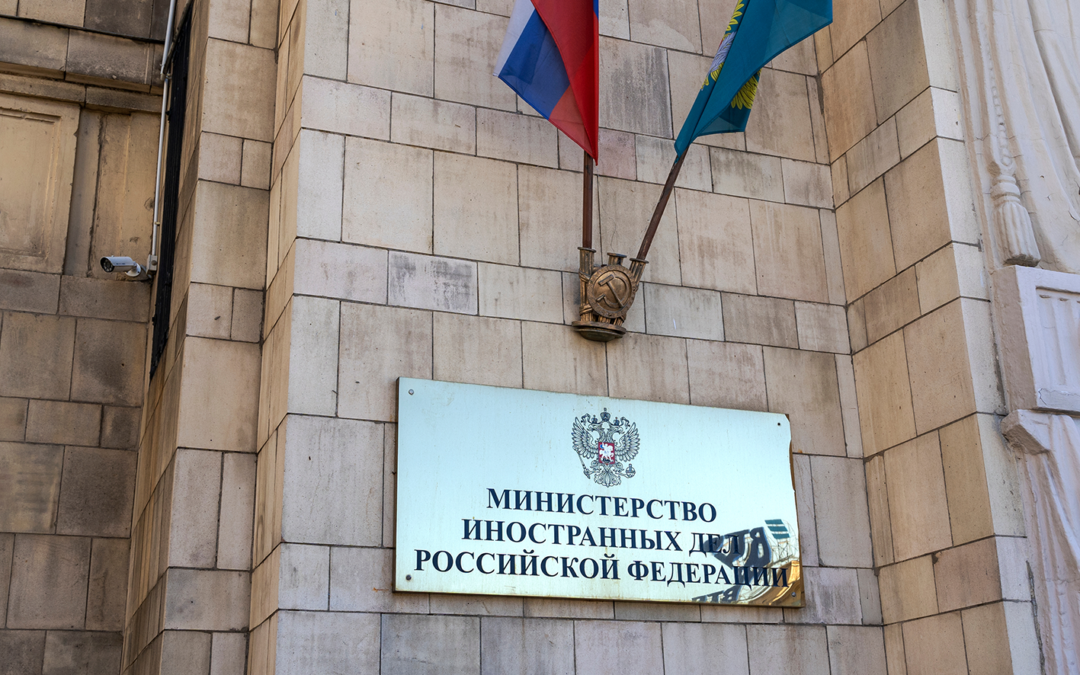
Russia’s Foreign Ministry has announced bans on a large number of media companies – broadcast, digital and print – based in EU Member States. The move is in response to the continuing bans in place in the EU that prohibit many Russian media outlets from being broadcast in EU Member States.
In a statement on 25 June, the Ministry said:
In response to the May 17 decision of the EU Council, banning broadcasting by three Russian media outlets, including RIA Novosti, Izvestia MIC and Rossiyskaya Gazeta, effective as of today, June 25, countermeasures are being introduced that limit access to broadcasting resources in the Russian Federation for media outlets of the EU member states and EU media operators that systemically spread false information about the special military operation.
The Russian side has repeatedly warned at various levels that politically motivated persecution of Russian journalists and unjustified bans on Russian media outlets in the EU will not go unanswered. This notwithstanding, Brussels and the capitals of the bloc’s countries preferred to further escalate the situation. By imposing another illegitimate ban, they forced Moscow to introduce symmetrical and proportional countermeasures. Responsibility for these developments rests solely with the EU leadership and the countries of this association that support this decision.
The Russian side will revise its decision concerning the above-mentioned media operators if restrictions against Russian media outlets are lifted,
***
A list of media outlets of the EU member states and EU media operators, covered by retaliatory measures and restrictions limiting broadcasts and internet access on the territory of the Russian Federation
Austria
1. ORF Broadcasting Corporation (orf.at);
2. Osterreich Media Holding (oe24.at);
Belgium
3. Le Vif magazine (levif.be);
4. Knack magazine (knack.be);
Bulgaria
5. Mediapool news and information website (Mediapool.bg);
6. 24 Chasa newspaper (24chasa.bg);
Hungary
7. 444.hu online information website;
Germany
8. Der Spiegel magazine (spiegel.de);
9. The Zeit newspaper (zeit.de);
10. Frankfurter Allgemeine Zeitung newspaper (faz.net);
Greece
11. Hellenic Broadcasting Corporation EPT (ert.gr, ertnews.gr);
12. Skai Media Holding (skai.gr);
13. Mega television channel (Megatv.com);
14. Proto Thema newspaper (protothema.gr);
Denmark
15. Berlingske daily newspaper (berlingske.dk);
16. Information newspaper (information.dk);
Ireland
17. RTE Television and Radio Broadcaster (rte.ie);
18. The Irish Times newspaper (irishtimes.com);
19. The Irish Independent newspaper (independent.ie);
Spain
20. El Mundo newspaper (elmundo.es);
21. El Pais newspaper (elpais.com);
22. EFE news agency (efe.com);
23. Spanish state television broadcaster (rtve.es);
Italy
24. LA7 television channel (la7.it);
25. La Stampa newspaper (lastampa.it);
26. La Repubblica newspaper (repubblica.it);
27. RAI radio and television broadcaster (rai.it, rainews.it);
Cyprus
28. Politis newspaper (politis.com.cy);
29. Cyprus Times online information website (cyprustimes.com);
30. Cyprus Mail newspaper (cyprus-mail.com);
Latvia
31. Latvian Television Latvian Radio 4 (lsm.lv);
32. Internet portal apollo.lv;
33. Internet TV channel tvnet.lv;
34. Diena daily newspaper (diena.lv);
Lithuania
35. Internet portal LRT (lrt.lt);
36. Internet portal 15min.lt (15min.lt);
37. Internet portal lrytas.lt (lrytas.lt);
Malta
38. Television Malta TVMstate television channel (tvmnews.mt);
39. Times of Malta newspaper (timesofmalta.com);
40. The Malta Independent newspaper (independent.com.mt);
41. Malta Today newspaper (maltatoday.com.mt);
The Netherlands
42. Nos Television and Radio Company (nos.nl);
43. Nrc newspaper (nrc.nl);
44. Algemeen Dagblad newspaper (ad.nl);
Poland
45. Belsat TV channel (belsat.eu, belsat.pl);
46. Nowaja Polsza magazine (novayapolsha.eu, novayapolsha.com novayapolsha.pl);
Portugal
47. RTP international television channel (rtp.pt);
48. Publico newspaper (publico.pt);
49. Expresso newspaper (expresso.pt);
50. Observador news and analysis project (observador.pt);
Romania
51. Pro TV international television channel (satellites Eutelsat 16A -16 EST and Astra 5B – 31.5 EST; websites: stirileprotv.ro, protv.ro);
52. Digi24 TV channel (satellite Eutelsat 16A – 16EST; website: digi24.ro);
53. B1TV television channel (satellite “Astra 5B – 31.5 EST”; website b1tv.ro);
Slovakia
54. SME newspaper (sme.sk);
55. Dennik N internet publication (dennikn.sk);
Slovenia
56. Nova24 internet publication (Nova24.si, Nova24tv.si);
57. Demokracija internet publication (Demokracija.si, Demokracija.eu);
Finland
58. Ilta-Sanomat newspaper (is.fi);
59. Iltalehti newspaper (iltalehti.fi);
60. Helsinki Sanomat newspaper (hs.fi);
61. Yleisradio television and radio company (yle.fi);
France
62. LCI television channel (tf1info.fr);
63. Le Monde newspaper (lemonde.fr);
64. La Croix newspaper (la-croix.com);
65. Liberation newspaper (liberation.fr);
66. Lexpress magazine (lexpress.fr);
67. Radio France radio company (radiofrance.fr);
68. Agence France-Presse news agency (afp.com, afpforum.com);
69. CNews television channel (cnews.fr);
70. Arte TV television company (arte.tv);
The Czech Republic
71. Ceska Televize TV channel (ceskatelevize.cz);
72. Law enforcement internet portal (seznamzpravy.cz);
Sweden
73. SVT television and radio company (svt.se);
74. Sveriges Radio radio company (sverigesradio.se);
Estonia
75. Information web portal propastop.org;
76. ERR National Broadcasting Corporation (err.ee);
77. Delfi media resource (delfi.ee);
European media outlets
78. Agence Europe (agenceurope.eu);
79. Politico (www.politico.eu, www.politico.com);
80. Freedom Satellite Package;
81. Euobserver internet publication (Euobserver.com)
Image: Adobe Stock I – stock.adobe.com