26 October 2017
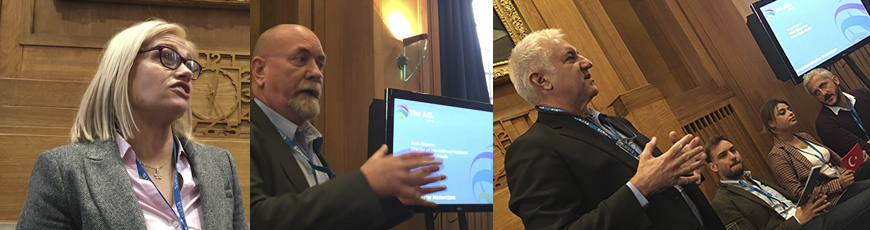
Factual TV, radio and online programme producers from Australia, Qatar, the USA, Turkey, the UK and France are coming together to share knowledge and ideas at the second #iamabroadcaster The AIBs Masterclass in London on 2 November.
Finalists in the 13th AIBs – the annual international competition for factual productions – are taking time out of their schedules to meet colleagues and others with an interest in factual programme-making at the informal, interactive half-day event.
“We are privileged that each year, the world’s top producers share their work with the Association for International Broadcasting in our awards,” says Simon Spanswick, chief executive of the AIB. “We are even more fortunate that many travel to London to share in our celebration of success at our gala awards event. We want to make sure that they get the best possible value from their trip and that’s why we’ve introduced the Masterclass. It’s a way of helping to share experiences and develop new concepts, and anyone is welcome to come to the Masterclass to learn and exchange ideas.”
This year’s Masterclass takes place on Thursday 2 November at the M by Montcalm, City Road, London EC1V 1JH. Panellists taking part come from TRT WORLD, AFP, Al Jazeera, the BBC, Blue Chalk Media, BFBS, Media Stockade, Brinkworth Films and Afshar Films.
The panellists will be discussing their work on investigative documentaries, human interest stories, and branded content, among other areas.
“The #iamabroadcaster Masterclass is a unique event,” says Spanswick. “Rarely do so many factual story-tellers from so many parts of the world come together to discuss their work with their peers and others who are perhaps interested in starting a career in factual television or radio. The Association for International Broadcasting is honoured to be hosting this event and helping to develop new relationships in the factual programme-making industry.”
There will also be a presentation from UK-headquartered Celebro Media about its innovative OB unit in a box.
The half-day Masterclass is free-to-attend for everyone who is taking part in the AIBs awards gala dinner on 1 November. There is a modest fee for others and a specially-reduced rate for those in full-time education.
Full details on the #iamabroadcaster The AIBs Masterclass are available online at http://theaibs.tv.

25 May 2017
The BBC is reaching a record weekly audience of 372m around the world, a rise of 7 per cent year on year, new audience figures published on 25 May 2017 reveal.
These figures – the Global Audience Measure (GAM) – show how many individuals the BBC reached weekly with its news and entertainment content in the year 2016/17.
The data show the BBC’s weekly global news audience has risen by 8 per cent to 346m, with TV, audio and social media driving the increase.
The BBC World Service has seen an increase of 9 per cent since last year, taking its total audience to 269m.
Global News Ltd, which comprises BBC World News television and BBC.com, now has an audience of 121m, an increase of 12 per cent, with weekly BBC World News TV viewers rising to 99m.
World Service English has seen another significant rise, with an audience of 75m around the world, a 14 per cent increase. This has been driven both by syndication and by the growth of digital audio, including internet audio and podcasts. The number of listeners accessing World Service English through internet audio has shot up by 147 per cent to 21m.
The GAM figures show the BBC is on track to achieve the target set by the Director General of a 500m weekly audience by 2022, the BBC’s centenary year.
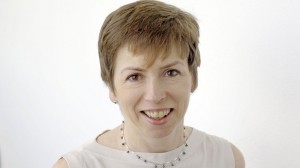 Francesca Unsworth, Director of the BBC World Service Group, says: “In a turbulent year for international news, with mounting concern about fake news and social media filter bubbles, more people than ever before are turning to the BBC for reliable, impartial information they can trust.
“We will shortly launch the first new language services in the biggest expansion of the World Service since the 1940s. Today’s audience figures show the need for the BBC is greater than ever.”
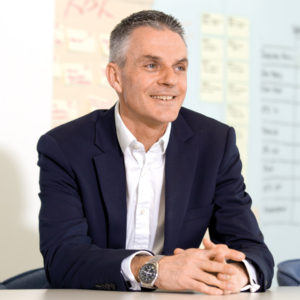 Tim Davie, Director of Global and CEO of BBC Worldwide, says: “It is encouraging to see that BBC branded services continue to be the trusted go-to platforms for audiences across the globe.”
- Facebook is by far the biggest source of the BBC’s social media reach globally, but there are regional variations – in Iran alone BBC reaches 1.4m people on the encrypted messaging app Telegram, from a total BBC audience of 12.6m in that country.
- The top ten markets for the BBC’s international news services are Nigeria (36m), USA (34m), India (28m), Bangladesh (16m), Egypt (15m), Pakistan (13m), Iran (13m), Tanzania (10m), Indonesia (7.6m), and Canada (7.5m), where the BBC significantly boosted its presence last year.
- BBC radio saw a 12 per cent uplift in audience figures in the USA during an eventful election year – taking weekly reach to 14.6m people
22 February 2017
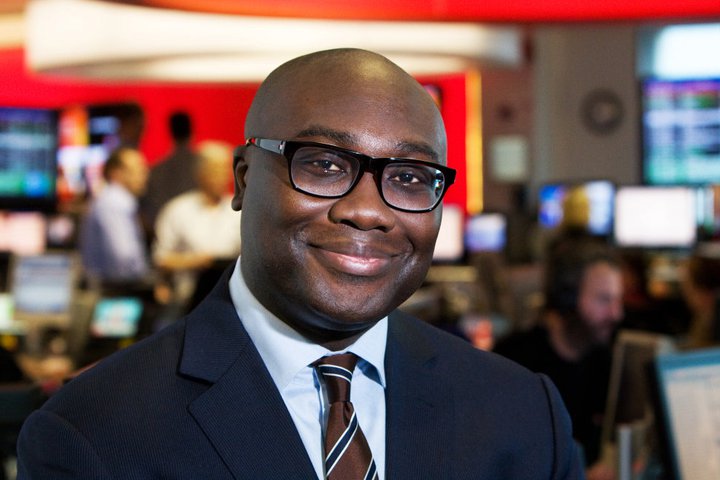
The BBC is seeking a future star of African journalism for the BBC World News Komla Dumor Award, now in its third year.
Journalists from across the continent are invited to apply for the award, which aims to uncover and promote fresh talent from Africa.
The winner will spend three months at the BBC headquarters in London, gaining skills and experience.
Applications close on 15th March 2017 at 23:59 GMT.
The award was established to honour Komla Dumor, an exceptional Ghanaian broadcaster and presenter for BBC World News, who died suddenly aged 41 in 2014. In November 2014, the Association for International Broadcasting presented its Founders Award in memory of Komla to his widow, Kwansema.
You can read about eligibility criteria for the Award here.
23 November 2016
20 years after the tragic and untimely death of Mohamed Amin, founder of Nairobi-based Camerapix, the Association for International Broadcasting pays tribute to the renowned cameraman.
Mohamed Amin was born on 29 August 1943 in Nairobi where he developed an interest in photography at school. He founded Camerapix company in 1963 in Dar es Salaam and moved the company to Nairobi three years later. During the 1970s, he became one of the most relied-upon African news photographers, reporting on wars and coups all through the continent. His pictures were often used by Western news media.
Amin’s most influential moment came when his photos, along with the reporting of the BBC’s Michael Buerk of the 1984 Ethiopian famine brought international attention to the crisis and eventually helped start the charity wave that resulted in Live Aid concerts.
Amin contributed exclusive photos of the fall of Idi Amin and of Mengistu Haile Mariam and was author of numerous books, including Journey Through Pakistan, Pilgrimage to Mecca and covered various themes such as East African wildlife and the Uganda railway.
A short film looking back on Amin’s life has been produced by A24 Media – run by Amin’s son, Salim – and Reuters. It will be screened at Newsxchange taking place in Copenhagen at the start of December.

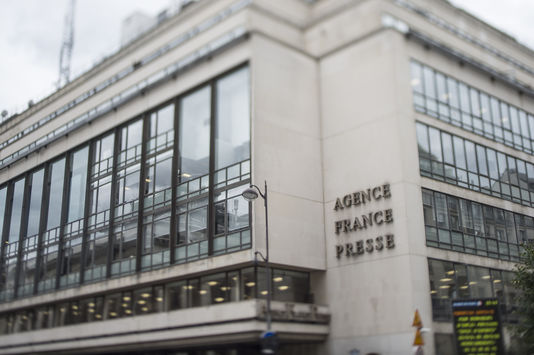
 Jonathan Munro (right), the BBC’s Head of Newsgathering, said: “We are delighted to be working even more closely with AFP in the years ahead. The BBC’s coverage of the world will benefit enormously from the growing firepower of AFP including its strengths in regions which are underserved by the mainstream media. We hope that the BBC’s new relationship with AFP will prove enduring and positive for both organisations.”
 Emmanuel Hoog (pictured), chairman and chief executive of AFP, described the partnership as “an emblematic recognition of everyone’s efforts to make video a top priority”. He added: “It encourages us in our long-term investment strategy to extend and consolidate AFPTV’s unique positioning in Europe and worldwide.”