AIB publishes FIFA World Cup 2026 safety briefing for media organisations

AIB publishes FIFA World Cup 2026 safety briefing for media organisations

AIB publishes FIFA World Cup 2026 safety briefing for media organisations

​The Association for International Broadcasting (AIB) has published a new safety briefing for member organisations ahead of the FIFA World Cup 2026, which will take place across the USA, Mexico and Canada.

The briefing has been developed to support broadcasters, production companies and media organisations deploying staff to the tournament, with a particular focus on operational, legal and digital security risks that may affect media personnel working in and around the event.

While the World Cup is one of the world’s largest sporting occasions, the AIB notes that the operating environment for media organisations has become significantly more complex in recent years. The guidance highlights issues including enhanced border scrutiny in the USA, device inspection and digital security concerns, civil unrest and crowd safety considerations, as well as location-specific security risks in parts of Mexico.

Importantly, the briefing is not aimed solely at reporters and correspondents. The AIB stresses that production staff, engineering teams, technical crews, producers, digital teams and operational personnel may face the same risk profile as journalists, particularly when entering the USA or operating in fast-moving public situations.

The publication forms part of the AIB’s wider work supporting member organisations with strategic intelligence, operational awareness and risk mitigation across the international media sector.

The AIB is also working closely with the Committee to Protect Journalists (CPJ) on safety issues surrounding the World Cup. Together, the organisations are developing a series of webinars and practical briefings for media organisations and their staff in the run-up to the tournament.

The first webinar is scheduled to take place on 25 May, with registration details to be circulated to AIB members shortly.

Simon Spanswick, chief executive of the AIB, said:

“Risk for media organisations is no longer confined to traditional hostile environments. Increasingly, operational risk begins at the border and extends through digital exposure, legal considerations and rapidly changing public situations.

We felt it was important to provide practical guidance that can support not only journalists, but everyone involved in the deployment of media operations around the World Cup.”

The FIFA World Cup 2026 safety briefing is available exclusively to AIB members.

Media organisations that are not currently members of the AIB and would like to discuss access to the briefing, AIB membership and the range of intelligence reports, strategic briefings, working groups and industry support provided by the Association are invited to contact the AIB Secretariat.

Further information about the AIB is available at: AIB official website

AIB publishes update Purpose and Membership Principles

AIB publishes update Purpose and Membership Principles

AIB publishes update Purpose and Membership Principles

The Association for International Broadcasting (AIB) brings together organisations from across the world engaged in international broadcasting and cross-border media. In a rapidly evolving global media environment—characterised by technological change, geopolitical complexity and shifting audience behaviours—it is increasingly important to articulate clearly the values and principles that underpin our shared work.

The Association has now published a revised set of AIB Purpose and Membership Principles. These have been developed and agreed by the AIB Executive Committee to provide that clarity. They set out the core concepts that define the Association’s mission and the standards to which all AIB member organisations are expected to adhere.

These principles are not intended to prescribe uniformity across a diverse global membership. Rather, they establish a common framework grounded in professionalism, integrity and respect for the role of international broadcasting in informing audiences, supporting media freedom and fostering global understanding.

They are designed to:

  • reinforce the credibility and trust that underpin international broadcasting
  • provide a clear reference point for membership and governance
  • support collaboration and knowledge exchange across the AIB community
  • ensure that the Association remains a trusted and respected forum for the global media industry

As the media landscape continues to evolve, these principles will serve as a stable foundation for the AIB’s work—supporting members in navigating change while upholding the values that define responsible and effective international broadcasting.

​

In Memoriam — Kevin Klose and Ted Turner

In Memoriam — Kevin Klose and Ted Turner

In Memoriam — Kevin Klose and Ted Turner

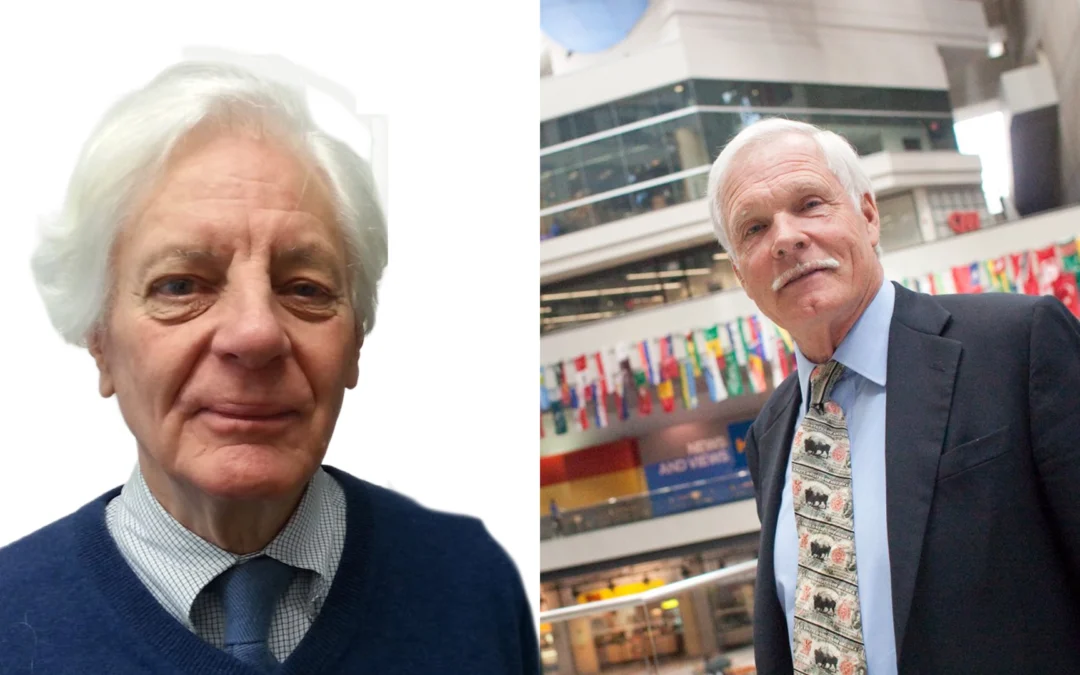
The international broadcasting community is marking the loss of two figures whose influence helped shape the modern global media landscape: Kevin Klose and Ted Turner.

Kevin Klose, who died in April 2026, was widely respected for his leadership of Radio Free Europe/Radio Liberty (RFE/RL), an organisation central to the provision of independent news in societies where media freedom has often been constrained. Klose served as president and CEO during pivotal periods, including after the Cold War and again in later years when geopolitical tensions renewed the importance of trusted, fact-based international broadcasting. His career also spanned journalism and academia, including senior roles at National Public Radio, where he helped strengthen editorial standards and institutional resilience. Colleagues consistently highlighted his commitment to journalistic integrity and his belief in broadcasting as a public good.

Just weeks later, the industry was also mourning the death of Ted Turner, the visionary entrepreneur who founded CNN. Turner’s creation of the world’s first 24-hour television news channel in 1980 fundamentally altered the rhythm and expectations of news consumption. By making live, continuous coverage a global norm, CNN reshaped both audience behaviour and editorial practice, setting a template that broadcasters worldwide would follow. Turner’s broader media ventures, including the expansion of cable television and his role in building global media brands, left an enduring commercial and cultural legacy.

While their careers unfolded in different contexts – Klose within publicly funded international broadcasting and Turner within commercial media innovation – both shared a belief in the power of information to connect societies and influence global understanding. Each, in his own way, expanded the reach and relevance of broadcast journalism across borders.

Their deaths come at a moment when the media industry is confronting profound structural change, from digital disruption to shifting geopolitical pressures. The legacies of Klose and Turner serve as a reminder of the enduring importance of credible journalism, international perspective, and the institutions that sustain them.

​

AIB publishes new Member Insight on the evolution of Freeview and hybrid TV distribution

AIB publishes new Member Insight on the evolution of Freeview and hybrid TV distribution

AIB publishes new Member Insight on the evolution of Freeview and hybrid TV distribution

The Association for International Broadcasting (AIB) has published a new thought leadership article examining how the UK’s Freeview platform is evolving through the integration of broadcast and IP-delivered services.

Titled “Freeview Is No Longer Just Broadcast — And That Changes Everything,” the insight has been contributed by AIB Member Global Distribution Services (GDS) and explores how hybrid distribution models are already being deployed in one of the world’s most established digital terrestrial television (DTT) markets.

Freeview remains the UK’s largest television platform, reaching more than 18 million households. While often associated with traditional broadcast delivery, the new insight highlights how developments in IP delivery, data-led monetisation and platform integration are reshaping how services are delivered and experienced by audiences.

The article sets out how hybrid models can combine the scale, prominence and trust of broadcast platforms with the flexibility and performance transparency of digital delivery. It examines the growing role of technologies such as server-side ad insertion (SSAI), real-time audience data, and privacy-compliant monetisation frameworks, and considers how these are being applied within the Freeview environment.

The contribution also identifies the implications of these developments for broadcasters and platform operators. These include changing approaches to market entry, evolving audience measurement models, and the increasing importance of data in shaping both commercial and distribution strategies.

Looking ahead, the insight points to the continued development of IP-first platforms such as Freely, and the extent to which hybrid models may act as a bridge between traditional broadcast infrastructure and fully IP-delivered television services.

Commenting on the publication, Simon Spanswick, Chief Executive of the AIB, said:

“The transition from traditional broadcast to IP-delivered services is one of the most significant structural shifts facing the media industry. What this contribution demonstrates is that the future is not necessarily a binary choice between broadcast and streaming. Instead, we are seeing the emergence of hybrid models that combine the strengths of both. Understanding how these models are being implemented in practice is essential for broadcasters, regulators and policymakers as they consider the future of television distribution.”

Tanya Kronfli, Chief Executive of Global Distribution Services, added:

“Freeview offers something no other platform can match in the UK today — scale, credibility, and accessibility. What we’ve done at GDS is combine that reach with the precision of digital: SSAI monetisation, real-time data, and full transparency on performance. Broadcasters no longer have to choose between traditional TV and digital video — we bring the best of both worlds together in one solution.”

The publication forms part of the AIB’s ongoing programme of member-led insights, designed to share practical experience and inform industry understanding of key strategic developments.

Read the Insight here: https://aib.org.uk/Members/Member-Insight/AIB-TL-Freeview-2026-05-05.pdf

Save our Dogs: BBC Africa Eye exposes social media rescue scam network operating from Uganda

Save our Dogs: BBC Africa Eye exposes social media rescue scam network operating from Uganda

Save our Dogs: BBC Africa Eye exposes social media rescue scam network operating from Uganda

An undercover investigation by the BBC reveals how a network of sham shelters has raised thousands of dollars from donors globally whilst subjecting animals to harm.

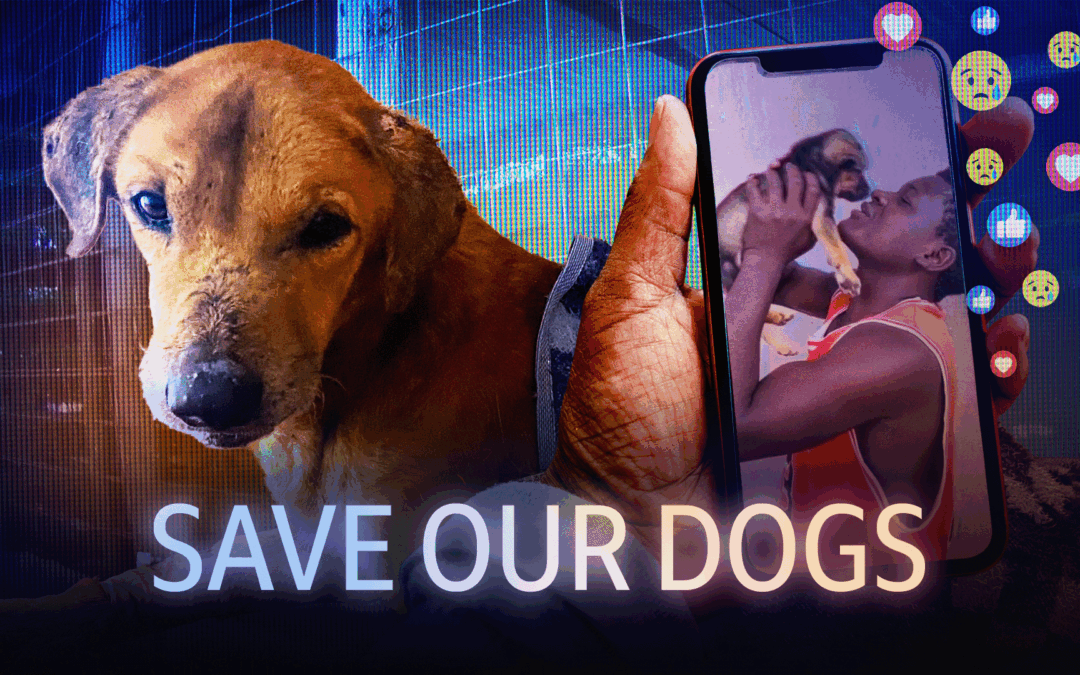
Social media videos of injured and distressed dogs are at the centre of a large-scale international donation scam uncovered by BBC Africa Eye. Hundreds of thousands of pounds raised for animal care are sometimes being used to pay for cars, property and personal expenses by those running the accounts.

BBC Africa Eye, from the BBC World Service, reviewed hundreds of online pages raising money for pet shelters in Uganda. Almost 40% of them were linked to shelters in the Ugandan town Mityana.

How the scam operates?

Operating like a rental business, some shelter owners allow multiple content creators to film with the animals in exchange for a fee. Each content creator then runs their own fundraising drive using the video footage of dogs.

In undercover footage, a shelter owner named Charles, explains how the model works:

“You tell people that you have been evicted and the landlord has given you one months’ notice to leave… They will then start a GoFundMe [fundraising campaign] for you to buy land. And once you receive the GoFundMe money, you use it to buy a car or build a house…you just repair and move things around just for show.”

Charles was caught in video footage stating that there have been instances where other content creators have “cut the dogs” to make them appear more battered.

Charles denied injuring dogs. He acknowledged that content creators pay to film at his shelter.

The case of Russet the dog

One dog, Russet, was tracked by the BBC after appearing online badly injured.

Three weeks after his pictures were first posted online, a UK donor negotiated his release from those filming him. He was taken to a veterinary clinic in Kampala.

Veterinary surgeon Dr Isa Lutebemberwa assessed Russet and found his injuries were unlikely to have been accidental. Despite surgery to try and save him, Russet sadly later died.

Dr. Isa Lutebemberwa said meeting Russet changed him and shapes everything he does.

“If you look in his face you’ll see he’s endured a lot of pain and suffering…he had a bright life ahead of him. The voiceless animals out there [in Mityana], they need someone who can advocate for them.”

The people fighting back – local community and activists

With high youth unemployment in Mityana, social media has created new income opportunities – but some local residents told the BBC they are not happy about the bad reputation the scammers have brought the town, and they care about dogs like Russet who may be suffering in the shelters.

Ashiraf, a young local shopkeeper, said many young people are drawn into the trade because ‘dogs are seen as a source of money’, but scamming had never been his path: “My focus is to keep running the family business… I love animals. Even though I desire the money and lifestyle, the scamming business has never been my thing.”

He added that many in the community feel troubled by what is happening:

“People feel sad for the dogs but they don’t speak about it. If more people raised their concerns… a way to tackle this issue could be found.”

As donors have become aware of the scam, UK-based activist group We Won’t Be Scammed, founded by Nicola, herself a former victim, has mounted unofficial rescue operations, recovering more than 50 dogs to date.

Nicola said she initially donated for what she believed was veterinary care, until a colleague identified it as abuse. Many members of the group share similar experiences.

Not all donors have walked away from Uganda. Joanne, a British woman who first sent small donations to a shelter, has since travelled to the country three times in nine months to help run a shelter for stray dogs herself.

Asked whether her presence contributed to the broader problem of scam shelters, she said:

“I don’t think I’m actually making a problem by contributing my funds. The problem is if you closed down all the shelters, where are all the dogs going to go?”

Mityana Police said they have previously investigated animal cruelty at dog shelters in the area, including rescuing injured dogs and making arrests. One case was closed with a warning.

Where to watch or listen

  • BBC Eye TV Documentary ‘Save our Dogs: Inside Uganda’s Rescue Scam’: Available from Monday 4 May
    • BBC News Africa YouTube & on TV channels broadcasting BBC Africa Eye.
    • UK audiences: Watch on BBC iPlayer.
  • Radio – ‘For the love of Dogs’: The investigation will appear on radio show ‘The Documentary’ on BBC World Service radio or wherever you get your BBC podcasts.​
BBC steps up fight against media clampdowns around the world

BBC steps up fight against media clampdowns around the world

BBC steps up fight against media clampdowns around the world

As media freedom faces starker declines in countries around the world, the BBC World Service has unveiled how services are adapting to reach audiences and the extreme measures individuals outside of the BBC take to access critical news and information.

According to the 2026 World Press Freedom Index from Reporters Without Borders (RSF), press freedom is at the lowest point in the last quarter of a century.

As the world is marking World Press Freedom Day (3 May), the BBC speaks to someone involved in smuggling technology and services into Iran to access media, and highlights the difficulties faced in accessing BBC news in some countries.

Fiona Crack, Global Director, BBC News, says:

“We know that democratic values are under threat globally and this pressure goes hand-in-hand with the reduction in press freedom. Draconian actions taken by authorities around the world stop journalists doing their job and withhold information from people, increasing international instability and uncertainty. The BBC World Service is determined to provide for audiences who need us most and to find new ways of reaching them.” 

The BBC World Service is fighting reductions in media freedom by providing for audiences in innovative and diverse ways combatting some of the restrictions put on populations and BBC staff.

Iran

In Iran, amid nationwide internet shutdowns, a clandestine network smuggling Starlink satellite technology into the country has emerged.

The BBC World Service has spoken to “Sahand”, not his real name, who says he has sent over a dozen contraband items to enable internet access into the country since January. 

“If even one extra person is able to access the internet, I think it’s successful and it’s worth it,” says Sahand.

The Starlink devices Sahand sends to Iran are one of the most reliable ways of bypassing the shutdown.

Last year, the Iranian government passed legislation that made using, buying or selling Starlink devices punishable by up to two years in prison.

Sahand says the consequences could be severe if caught. “If I was identified by the Iranian regime, they might make those I’m in touch with in Iran pay the price,” he says.

Many Iranians bypass restrictions by using virtual private networks (VPNs) to access the internet to share and access independent information. 

BBC News Persian has the largest audience of any international media inside Iran. At the start of the 2026 protests, BBC News Persian was reaching 27.5 million people each week on Instagram, almost half the adult internet population of Iran. Following the internet shutdown, audiences in the country fell sharply.

BBC News Persian responded to the internet shutdown by launching a temporary emergency lifeline radio programme and establishing a weekly newsletter. The team have also extended their television news coverage, offering increased live news to meet the demand for information during the war.

Staff who work for BBC News Persian are threatened, harassed and abused for their reporting. Last year saw an alarming increase in the harassment with family members in Iran being taken in for repeated interrogation and their passports confiscated.

Russia

Since the start of the full-scale invasion of Ukraine, access to BBC News Russian in Russia has been severely restricted and the service’s website and most social media platforms are blocked. This action initially saw an audience drop of 95% across Russia. The numbers have since recovered significantly as the service works dynamically to reach their audiences, finding alternative platforms.

Like Iranians, audiences in Russia now use VPNs to access BBC content on the BBC News Russian website and on social platforms like Telegram, YouTube and Instagram.

BBC News Russian podcasts were banned on all platforms in Russia in 2022 and in response, they moved to YouTube. Since the Russian authorities’ subsequent intentional slowdown of YouTube in 2024, podcast output has also been made available on a dedicated Substack page.

BBC News Russian journalists also produce a weekday newsletter with mirror links to enable access to BBC content without the need for a VPN.

For many, their work has personal consequences. Several members of BBC News Russian staff have been labelled ‘Foreign Agents’ by Russia and are now at risk of criminal prosecution.

Belarus

In Belarus, there was an unprecedented post-election media crackdown in 2020.

According to the independent Belarusian Association of Journalists (BAJ), 22 media workers are currently in prison. In the past six years, almost all independent publications and their social media pages have been blocked, banned and even declared extremist, effectively making it a crime for audiences inside Belarus to engage with them. 

BBC News Russian journalists are no longer able to operate in Belarus.

The extremism designation has been imposed on BBC News Russian content, and all BBC sites have been blocked. As of March 2026, it is illegal for people in Belarus to share BBC News Russian content.

BBC News Russian are pivoting to social media to ensure audiences in Belarus continue to have access to independent news from the BBC.