
4 February 2015
 TV-2, one of Russia’s first independent commercial stations, will lose its broadcasting license on 8 February, only five weeks after its terrestrial signal was cut off by the local Tomsk monopoly responsible for broadcasting transmissions. The move will silence one of the last remaining independent broadcasters in the country just months before its 25th anniversary.
Local authorities have refused to review their decision despite a demonstration of more than 4,000 people showing their support for the broadcaster on 1 February.
On November 30, TV-2 was notified by the Russian Television and Radio Broadcasting Network (RTRS), a local division of the state monopoly that owns broadcasting facilities, that it would not be renewing TV-2’s contract when it ended in December. RTRS turned off the station’s signal on 1 January 2015, leaving the company with only cable distribution.
This is not the first time that TV-2 has been involved in a conflict with RTRS. In 2014, TV-2 was not able to broadcast its signal because of repair works at RTRS’ facilities that lasted an unexpectedly long time.
“About a month after we had been switched off the air, because of the long repairs, we started to actively speak out in the press. There were rallies in support of us. Maybe, RTRS perceived that as political pressure and got offended,” Viktor Muchnik, TV-2 Editor-in-Chief told the BBC Russian Service.
Muchnik believes that politics is behind the threatened switch-off. “We can presume that some people do not like some of our reports. For example, the governor [of the Tomsk region]. But I cannot bluntly say that he is in charge of the termination of our broadcasts. I have no proof. I know that the local government often discusses our reports. And many of the reports on everyday issues are considered political. I cannot say who exactly is annoyed with our reports but certain law enforcement agencies send letters about us to the top,” Muchnik said in an interview with the BBC Russian service.
TV and Radio company TV-2 was founded in November 1990 and its first broadcast was on May 15, 1991. The company is the major asset of the Tomsk Media Group holding company which also runs cable channels, an advertising agency and a number of radio stations. Four of the TV-2 team are members of the Russian TV Academy. The company has a reputation for providing accurate and independent news reporting on important political and social issues. It has been awarded 22 TEFI awards by the Russian TV Academy.
RTRS is the Russian-government owned corporation, providing terrestrial air transmission of TV and Radio channels over the whole of the Russian Federation. RTRS was created in August 2001 by decree of Russian president Putin.
2 February 2015
Regional broadcaster Channel NewsAsia has partnered KapanLagi Network, Indonesia’s largest online lifestyle news and entertainment media, in a strategic deal that will see business and media collaborations in many areas.
The announcement was made today at a networking event at Exodus Jakarta for the start-up community, including venture capitalists, corporate clients in the start-up scene, potential advertisers and sponsors, and the media. This event is jointly organized by Channel NewsAsia and KapanLagi Network to bring together the who’s who in the Indonesian start-up ecosystem, in conjunction with the launch of Season 2 of Channel NewsAsia’s Start-UP project. The event aims to encourage and nurture entrepreneurial spirit in Indonesia and regionally.
About Start-UP
Start-UP is a multi-platform project that includes a reality TV series which tracks the journey of a group of entrepreneurs going through the relentlessly competitive paces on multiple platforms – television, blogs, web portal and “live” webchat. Their aim is to pitch for part of the S$2 million in seed funding for their business ideas. Alongside the series is an interactive online portal at channelnewsasia.com that serves as a solution reference and contains insights on the start-up landscape. (see Annex for details)
Joint projects
A prime project in the partnership is the localisation of Start-UP with KapanLagi Network, presented in Bahasa Indonesia for the burgeoning local digital market. Channel NewsAsia will share production material and expertise for the construction of the microsite for Start-UP to KapanLagi Network. There will be on-site consultancy for the TV programme to capture the process of participants from pitching for venture capital seed money to the selection of finalists and winners in the contest. Plans are being made to broadcast this Indonesian series on local television.
Introducing KLN Play
At the event today, KapanLagi Network introduced a new arm of business, KLN Play. As an incubator of start-ups, KLN Play will offer budding Indonesian entrepreneurs seed funding and strategic support to jumpstart their businesses. This includes helping to build traffic, boosting the branding; providing IT advice, mentorship and potential advertising links. KLN Play is eyeing start-ups on e-commerce on the digital, mobile and online platforms for any category of business, with special interest in start-ups which think mobile first. It is looking to work with up to 10 start-ups in 2015, investing in them directly or to co-invest with other companies. “This relationship brings together two of the region’s top enterprises in an area of common interest, how to grow future businesses in Asia, particularly in the digital space. We believe we can leverage KapanLagi Network’s reach in Indonesia, and license our groundbreaking format for Start-UP in a win-win formula. I look forward to developing further collaborations with our partners,” said Ms Debra Soon, Head of MediaCorp’s News Segment.
News collaboration
Channel NewsAsia and KapanLagi Network will also cooperate to leverage the strength of news coverage of both parties on the digital platform. With its extensive network of correspondents and staff in the region, Channel NewsAsia will work closely with KapanLagi, which has a proven track record in covering Indonesia, to collaborate to support each other in news coverage. News exchange online, sharing of technical expertise, training stints and staff attachments are part of this collaboration.
2 February 2015
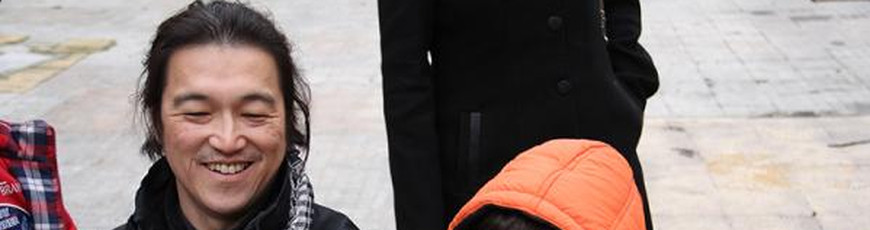
 A video purporting to show the execution of Japanese journalist Kenji Goto by “IS” militants has been released.
Kenji Goto went to Syria in October, reportedly to secure the release of another Japanese man, Haruna Yukawa.
In the video, Goto is seen kneeling in an orange jumpsuit beside a black-uniformed, masked figure who addresses the Japanese government in British-accented English and wielding a knife. The speaker has been tentatively identified as “Jihadi John”, who has apparently appeared in other execution videos. The video cuts back and forth between two camera positions and care has been taken in recording the speaker. The video also contains carefully designed graphics.
Goto’s mother, Junko Ishido, read from a prepared statement from her home in Koganei, western Tokyo:
“Kenji has passed away. I am at a loss for words, facing such a regretful death. The only thing I can do now is to shed tears of deep sorrow…I strongly hope we can hand down Kenji’s wish of creating a society without war and saving children’s lives from war and poverty.”
2 February 2015
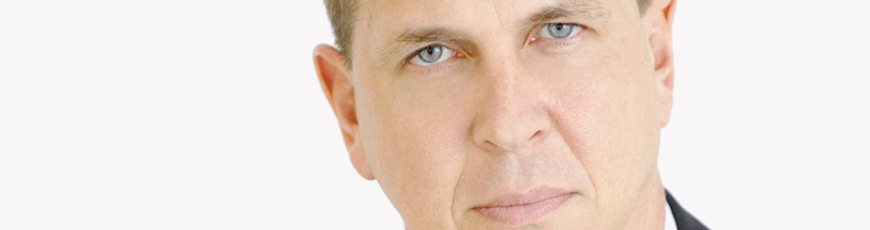
 Al Jazeera journalist Peter Greste has been released by Egyptian authorities after over a year of incarceration. Greste’s two colleagues, journalists Baher Mohamed and Mohamed Fahmy still remain imprisoned.
Al Jazeera has said that the campaign to free its journalists in Egypt will not end till all three have been released. The network says that all three must be exonerated, and the convictions against its other journalists tried in absentia also have to be lifted.
Mostefa Souag, acting Director General of Al Jazeera Media Network said:
“We’re pleased for Peter and his family that they are to be reunited. It has been an incredible and unjustifiable ordeal for them, and they have coped with incredible dignity. Peter’s integrity is not just intact, but has been further enhanced by the fortitude and sacrifice he has shown for his profession of informing the public.
“We will not rest until Baher and Mohamed also regain their freedom. The Egyptian authorities have it in their power to finish this properly today, and that is exactly what they must do.”
In an interview with AIB last month, Al Jazeera’s Head of Global Newsgathering, Heather Allan, said:
“We are fighting it every inch of the way. We don’t know which way it’s going to bounce. The first trial, quite honestly, was just a mockery of justice. You go through the evidence that was shown, there really was nothing there. Nothing there at all.
“Peter Greste had been in the country for ten days. He’d never been to Cairo before. The few reports he had done were all online. You can see them. We’ve always said to people: “Please, look at the journalism. It’s there. We’re not hiding anything.” Mohamed Fahmy had been working for everybody from the New York Times to CNN. He was a well known journalist around Cairo. Baher Mohamed worked for the Japanese – a younger journalist, and well known to the Cairo press corps. I think they were in the wrong place at the wrong time.”
29 January 2015
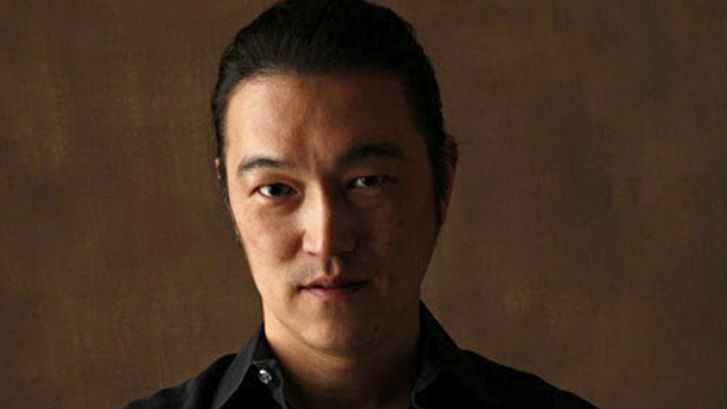
An emotional plea from Rinko, the wife of freelance journalist Kenji Goto, as deadline for his release approaches.
 My name is Rinko. I am the wife of Kenji Goto, the journalist who is being held by a group in Syria. He was taken from me on 25 October 2014, and since then I have been working tirelessly behind the scenes for his release.
I have not spoken out until now as I have been trying to protect my children and family from the media attention Kenji’s plight has created around the world.My husband and I have two very young daughters. Our baby girl was only three weeks old when Kenji left. I hope our oldest daughter, who is just two, will get to see her father again. I want them both to grow up knowing their father.My husband is a good and honest man who went to Syria to show the plight of those who suffer. I believe that Kenji may have also been trying to find out about Haruna Yukawa’s situation. I was extremely saddened by the death of Haruna and my thoughts go out to his family. I know all too well what they are going through.
My name is Rinko. I am the wife of Kenji Goto, the journalist who is being held by a group in Syria. He was taken from me on 25 October 2014, and since then I have been working tirelessly behind the scenes for his release.
I have not spoken out until now as I have been trying to protect my children and family from the media attention Kenji’s plight has created around the world.My husband and I have two very young daughters. Our baby girl was only three weeks old when Kenji left. I hope our oldest daughter, who is just two, will get to see her father again. I want them both to grow up knowing their father.My husband is a good and honest man who went to Syria to show the plight of those who suffer. I believe that Kenji may have also been trying to find out about Haruna Yukawa’s situation. I was extremely saddened by the death of Haruna and my thoughts go out to his family. I know all too well what they are going through.
I became aware that Kenji was in trouble on 2 December when I received an email from the group holding Kenji.
On 20 January I saw the video demand for $200m for the lives of Haruna Yukawa and Kenji. Since then, there have been several emails between the group and me as I have fought to save his life.
In the past 20 hours the kidnappers have sent me what appears to be their latest and final demand:
Rinko,
YOU MUST PUBLICISE AND EXPOSE THIS MESSAGE TO THE WORLD MEDIA NOW! OTHERWISE KENJI WILL BE NEXT!
If Sajida is not on the Turkish border ready for the exchange for Kenji by Thursday 29th Jan at sunset, The Jordanian pilot will be executed immediately!
I fear that this is the last chance for my husband and we now have only a few hours left to secure his release and the life of Lt. Mu’ath al-Kaseasbeh. I beg the Jordanian and Japanese Government to understand that the fates of both men are in their hands.
I thank the Governments of Jordan and Japan for all their efforts. I thank the people of Jordan and Japan for their compassion. My family was based in Jordan when I was young, and I went to school in Amman until I was 12 years old, so I have great affection and fond memories of Jordan and its people.
Lastly I thank my family, friends and Kenji’s colleges for the support they have shown my daughters and me over the last 3 months.
I pray for the lives of my husband and the Jordanian pilot Lt. Mu’ath al-Kaseasbeh.
Rinko

29 January 2015
 To mark its 77th anniversary, BBC Arabic is launching a new radio schedule, and new programmes to be broadcast from Cairo and London. The new programmes will offer listeners a modern BBC platform with a dynamic pace, less formal presentation style and strong audience participation via mobile phones and online at bbcarabic.com. BBC Arabic is also re-launching its YouTube channel.
To celebrate the anniversary, BBC Arabic will host a concert of classical Arabic music on Saturday 31 January at Broadcasting House in London, the building that saw the launch of BBC broadcasts in Arabic in 1938.
BBC Arabic has established a deep-rooted relationship with its Arabic speaking audiences by providing objective, impartial and trusted news, world-class documentaries and investigative programmes. The numerous awards for BBC Arabic output include two prestigious prizes at the Association for International Broadcasting awards in 2014: the Investigative Radio Documentary award for Forbidden Love, about interfaith marriages in Egypt, and the TV International Investigative Documentary for Saudi’s Secret Uprising.
Recent audience research (2014) shows BBC Arabic’s overall audience reach has risen by more than 11 per cent to 36.2 million adults weekly – up from 32.5 million in 2012 to 2013. Since the ‘Arab Spring’ in 2010, BBC Arabic’s weekly audience has risen from 21.6 to 36.2 million – an increase of 68 per cent.
On 27 January, BBC Arabic radio launched new-style news programmes and four new strands:
- Sport News: A daily half-hour radio round-up of regional and world sports.
- Women Today: A daily half-hour news and current affairs radio programme that focuses on women in the news in the Middle East and across the world. The programme offers a mix of reports, interviews and interactive debate.
- Midnight Talk: A daily 50-minute programme for younger listeners. The programme provides a platform to freely investigate and debate social and political issues most relevant to young people in the Middle East. The programme has a chatty, informal tone and offers live interviews, music and a stage for talented young people.
- Radio Archive: A weekly 27-minute strand, the Programme, draws on more than 70 years of BBC Arabic Radio archive with rare and exclusive material. The programme also will offer current interviews with relevant people on some of the issues which have been raised in the past and still resonate today.
Tarik Kafala, the Head of BBC Arabic says: “This is a very exciting time for BBC Arabic. We are reaching our biggest audiences in our 77 years and developing in ways that will make us more relevant and essential than ever, on all platforms. Today, we’re celebrating radio, the medium on which our reputation is built. The investment in new programmes and a new schedule shows our deep commitment to radio and our listeners, the heart and foundation of BBC Arabic.”

 TV-2, one of Russia’s first independent commercial stations, will lose its broadcasting license on 8 February, only five weeks after its terrestrial signal was cut off by the local Tomsk monopoly responsible for broadcasting transmissions. The move will silence one of the last remaining independent broadcasters in the country just months before its 25th anniversary.
