Budget cut weakens Germany’s international broadcaster DW

Budget cut weakens Germany’s international broadcaster DW

Budget cut weakens Germany’s international broadcaster DW

Following the reduction in the federal subsidy for Deutsche Welle (DW) for 2026, the Broadcasting Council, the Administrative Board and the DW management team convened a special joint session to discuss a comprehensive package of measures to achieve the required savings of 21 million euros. Under the plan, the Greek service will be discontinued and the journalistic portfolio in other languages scaled back. The German-language journalistic offering will be merged with the German language courses. Numerous positions across the organization will be eliminated, and investment funds significantly reduced. In purely numerical terms, around 160 full-time positions are affected, although the final number may vary. There will be no layoffs.


Dr. Karl Jüsten, Broadcasting Council Chair: “DW must remain a strong voice for freedom, especially in restricted media markets such as Russia and Iran. To do that, it needs reliable, long-term funding. Due to the cuts, the broadcaster will have to expect significant losses in reach. This is particularly troubling, as Russia and China are investing heavily in their state-run propaganda outlets while the US withdrawal from international broadcasting is creating further gaps. By reducing funding to DW, both the German and European perspectives will be weakened internationally – and that at a time when Europe urgently needs new partners and allies. We especially regret the closing of the Greek service. For over 60 years, it strengthened German-Greek relations and made the German perspective visible in Greece. We did not take this decision lightly and it was not approved without dissenting voices. Unfortunately, the forced savings made this step unavoidable.”


Dr. Achim Dercks, Administrative Board Chair: “The current budget cuts at DW come just two years after they implemented a savings package of 20 million euros. This is in direct contradiction to the pledge made by the government in its coalition agreement to strengthen DW. Without restoring its funding in the 2027 Federal Budget, rising costs across nearly all areas threaten to lead to long-term damage to journalistic quality, technical infrastructure and reach. It is only with adequate funding that Deutsche Welle will be able to successfully make its contribution to free reporting and against disinformation.”


DW Director General Barbara Massing: “The savings made necessary by the cuts and the lack of compensation for collective wage increases are extremely painful. They weaken our competitiveness at a time when a strong German and European presence is becoming ever more important geopolitically. At the same time, we will continue to advance DW’s quality initiative and digital transformation, launched several years ago – albeit at a slower pace. DW is widely regarded as a trusted and independent source of information, both in censored markets and in countries where Germany is building strategic partnerships. Sustainable funding for the future is crucial if we are to fulfill our journalistic mandate in a highly competitive global information space. Now is the time for the government and parliament to set the necessary course together. I am sincerely grateful to the members of the Broadcasting Council and the Administrative Board for their support, which was clearly evident during the meeting.”


In the 2026 federal budget, the German government reduced its subsidy to DW by 10 million euros to 415 million euros. At the same time, the failure to offset moderate pay increases from the existing collective bargaining agreement will generate an additional 11 million euros in costs. As a result, DW is required to reduce spending by a total of 21 million euros. The savings will be implemented in a socially responsible manner and in accordance with DW’s strategic priorities. Multiple areas of the organization will be affected.


DW language services


DW’s Greek-language service will be discontinued. This service provided independent information to audiences in Greece, including during the military dictatorship. It served as an important channel of dialogue during the euro crisis, conveying German perspectives to the Greek public. Greece has long been a member of the European Union and is a stable democracy with a diverse media landscape, which is why DW must make cuts in this area.


DW’s German-language offering will be restructured: The journalistic offering DW German and DW Learn German will be merged, with the budget nearly halved. Independent journalism and integrated language-learning elements will be combined into a clearly defined overall product focused primarily on learners at higher language levels (from B1/B2). The new format is aimed at audiences outside the DACH region – Germany, Austria and Switzerland – including learners in pre-integration programs abroad who are seeking reliable information about living and working in Germany and Europe. The service is designed to combine journalistic relevance with practical guidance while strengthening language skills. People  who speak German well enough to follow current affairs coverage in the language can access established German-language media brands and publishers online.


Changes to the journalistic portfolio


The budget for the language services ´Portuguese for Africa` and Dari/Pashto for Afghanistan will be reduced. The number of editions of the Spanish-language TV news will be reduced, while prime-time broadcasts will remain unchanged. Several programs will be discontinued: the Russian-language satire magazine Zapovednik (an external production), the arts and culture magazine Arts Unveiled, and the debate format Auf den Punkt in all language editions. Also ending are the science magazine Tomorrow Today in Portuguese (target country: Brazil), the environmental magazine Eco Africa in Portuguese, and the Europe-focused magazine Europeo in all seven language editions.


Infrastructure and Administration


More than one-third of the total savings will come from infrastructure and administrative areas, as well as from cost reductions achieved through the use of AI. Professional training programs and events are among the areas affected. Funding will also be cut for technical equipment, the further development of DW apps and building renovations. The expansion of new international correspondents’ offices will be slowed. Costs in production and distribution will also be further reduced.
[Source: DW press release]
NHK WORLD-JAPAN’s focus in February is Hokkaido

NHK WORLD-JAPAN’s focus in February is Hokkaido

NHK WORLD-JAPAN’s focus in February is Hokkaido

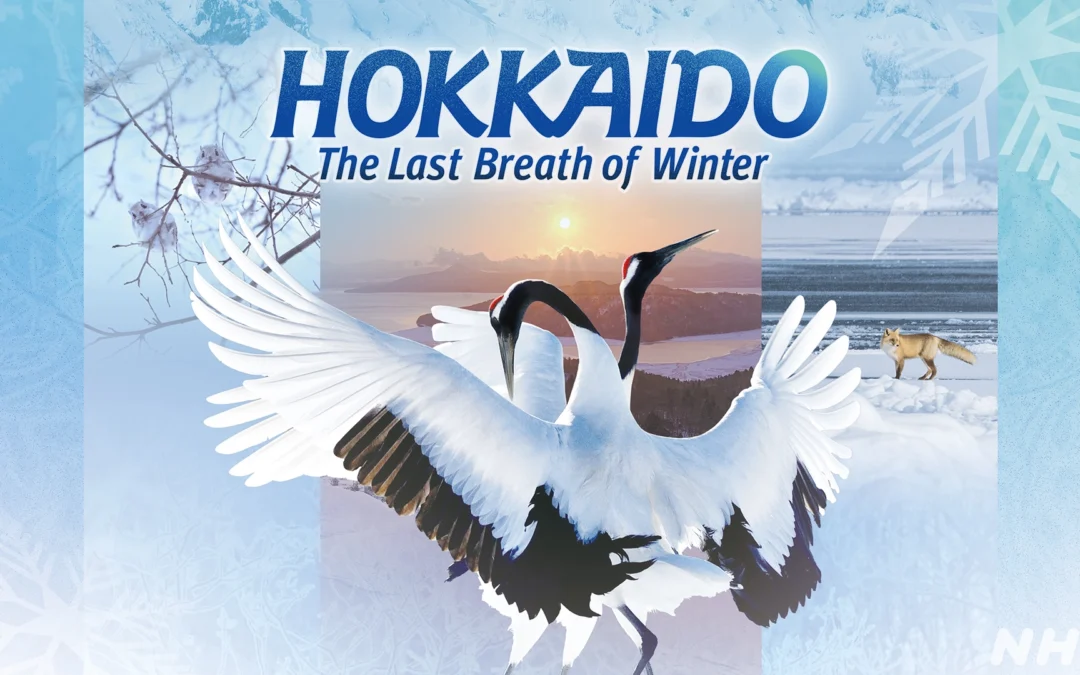
Focus on Hokkaido

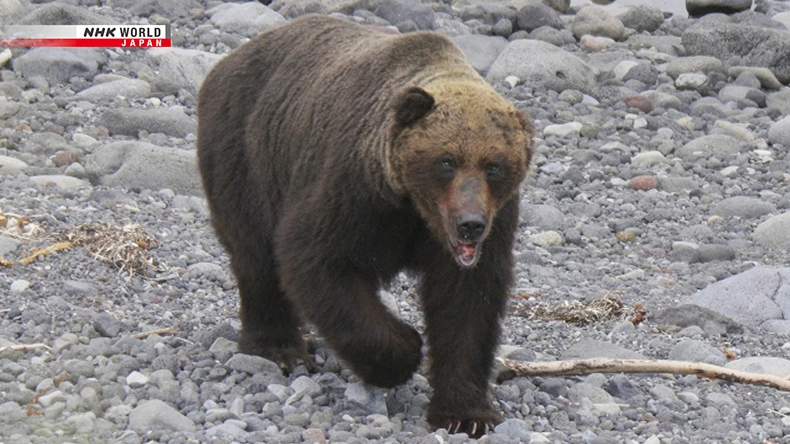
Trouble in Paradise: Okhotsk Encounters Climate Change

February 28 Sat.
1:10/7:10/13:10/19:10 (UTC)

Disruptions to Shiretoko Peninsula’s ecosystem are altering its balance. Sea ice is diminishing, as are trout and salmon. Ultra-high-resolution video reveals the changes.

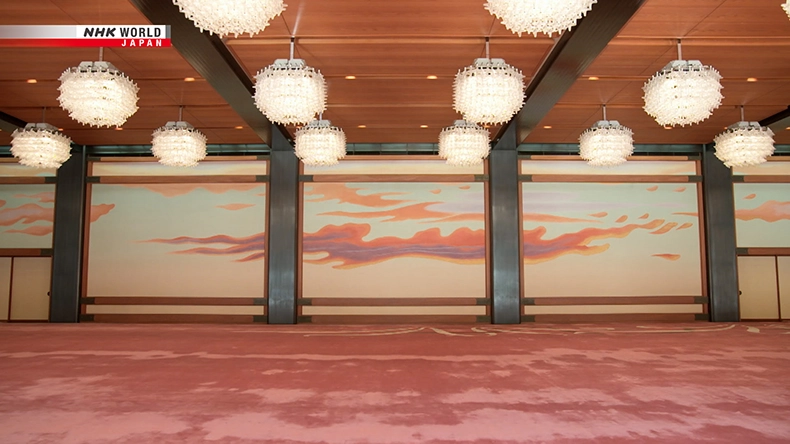
The Imperial Palace

February 21 Sat.
1:10/7:10/13:10/19:10 (UTC)

The Imperial Palace of Japan showcases peerless artworks, craftsmanship, and a tradition of thoughtful hospitality. Join us on a journey into a world of supreme aesthetic elegance.

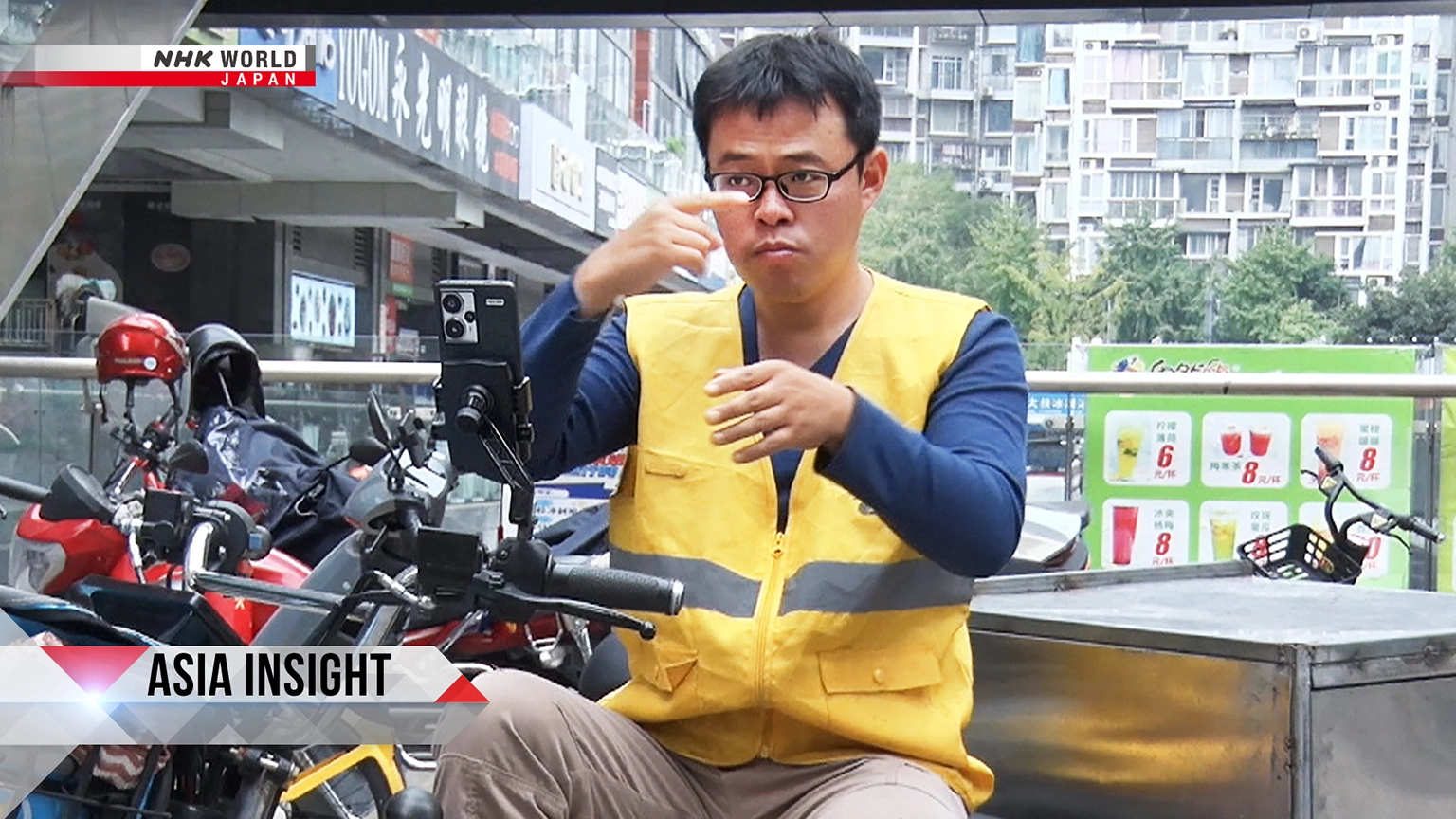
Asia Insight

Fridays
0:30/5:30/10:30/15:30/21:30(UTC)

Dynamic Asia. Stories behind the world’s largest continent as it faces political, economic, cultural and technological change.


France 24 launches video competition about Europe – open to young people

France 24 launches video competition about Europe – open to young people

France 24 launches video competition about Europe – open to young people

In partnership with the European Parliament and the European Commission


France 24 is launching a video competition open to high school students, university students, and students enrolled in journalism or audiovisual schools in France and across Europe, with the aim of giving a voice to the younger generation on Europe. Participants are invited to submit an original video lasting between one and four minutes, in English or French, expressing their perspective on contemporary Europe, including its values, challenges, and realities.


Two themes to choose from:


  • A cohesive Europe (solidarity between regions)
  • Fake news about Europe and the European Parliament


This competition welcomes a wide range of styles, including news reports, documentaries, short films, and interviews, among others. Submissions are open until May 4, 2026.


A jury, composed of prominent European figures, representatives of European institutions in Paris, as well as Caroline de Camaret, Europe Editor-in-Chief of France 24, and Armen Georgian, Europe editor at France 24, will award three prizes in each of the themes, for a total of six:


  • The High School Student Prize;
  • The University Student Prize, open to students from universities, audiovisual schools, and BTS/IUT programmes;
  • and the Expert Prize, dedicated to students enrolled in journalism schools.


The winners will be invited to attend the awards ceremony at Europa Experience in Paris and to spend a day behind the scenes at the France 24 newsroom. A feature will be produced about them, and their winning videos will be broadcast on France 24 as part of the programmes ‘Europe Rendevous’ in English and ‘Aux 4 Coins de l’Europe’ in French.


Registration details and full competition rules:

FRANCE 24 launches a major video competition about Europe, open to young people! – France 24

[Source: France 24 press release]

Radio Farda Returns to Shortwave, Bypassing Iran’s Digital Blackout

Radio Farda Returns to Shortwave, Bypassing Iran’s Digital Blackout

Radio Farda Returns to Shortwave, Bypassing Iran’s Digital Blackout

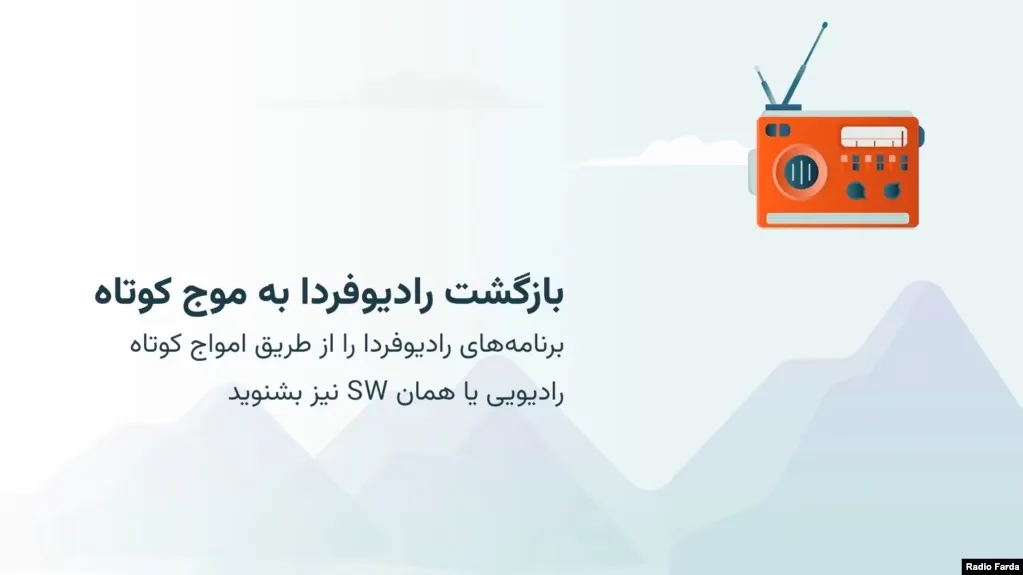
Radio Free Europe/Radio Liberty (RFE/RL) on 10 January resumed shortwave radio broadcasts into Iran following the imposition of an internet blackout by the Islamic Republic. Working with several commercial vendors, RFE/RL’s Persian-language service Radio Farda is once again providing an alternative to state-controlled media. Radio Farda reaches 6.5 million Iranians inside the country each week across digital platforms.

As nationwide protests in Iran continue, Radio Farda remains a lifeline for the people of Iran, providing vital news and insight, amplifying the voices of activists, verifying the deaths of protesters, and delivering expert analysis on the developing U.S. response.

President & CEO Stephen Capus said:

“At this historic moment, when the Iranian people have been plunged into digital darkness by their government, Radio Farda’s return to the airwaves is an essential breakthrough. We’re reaching the people of Iran with the facts they need to stay safe – and ensuring their voices continue to be heard. Our journalists at Radio Farda are working nonstop to fulfill our commitment to the people of Iran.”

In the week leading up to the Islamic Republic’s internet blackout, Radio Farda’s digital reach surged. Between January 2-8, Radio Farda’s Instagram content was viewed at least 30 million times per day – 241.8 million views total – with 96% coming from Iran. Between December 28-January 5, Instagram video viewership rose by 411% over the previous seven-day period, with engagements soaring by 481%.

Radio Farda is a primary source of international perspectives on the crisis for Iranians, providing the latest statements from U.S. President Donald TrumpSecretary of State Marco Rubio, the House Foreign Affairs Committee Majority, and Sen. Lindsey Graham (R-S.C.), as well as analyses of the crisis and its impact on U.S. and foreign policy debates and analysis by experts such as Jack GoldstoneMichael SobolikMichael Rubin, and Ilan Berman.

For the latest information on the protests, follow Radio Farda’s live blogs in English and Persian. [Source: RFE/RL press release]

NHK WORLD-JAPAN programme focus in January: The Tales Behind Kobe’s Western Specialties

NHK WORLD-JAPAN programme focus in January: The Tales Behind Kobe’s Western Specialties

NHK WORLD-JAPAN programme focus in January: The Tales Behind Kobe’s Western Specialties

The Tales Behind Kobe’s Western Specialties

Stories from Kobe’s Western Cuisine

January 17 Sat.
1:10/7:10/13:10/19:10 (UTC)

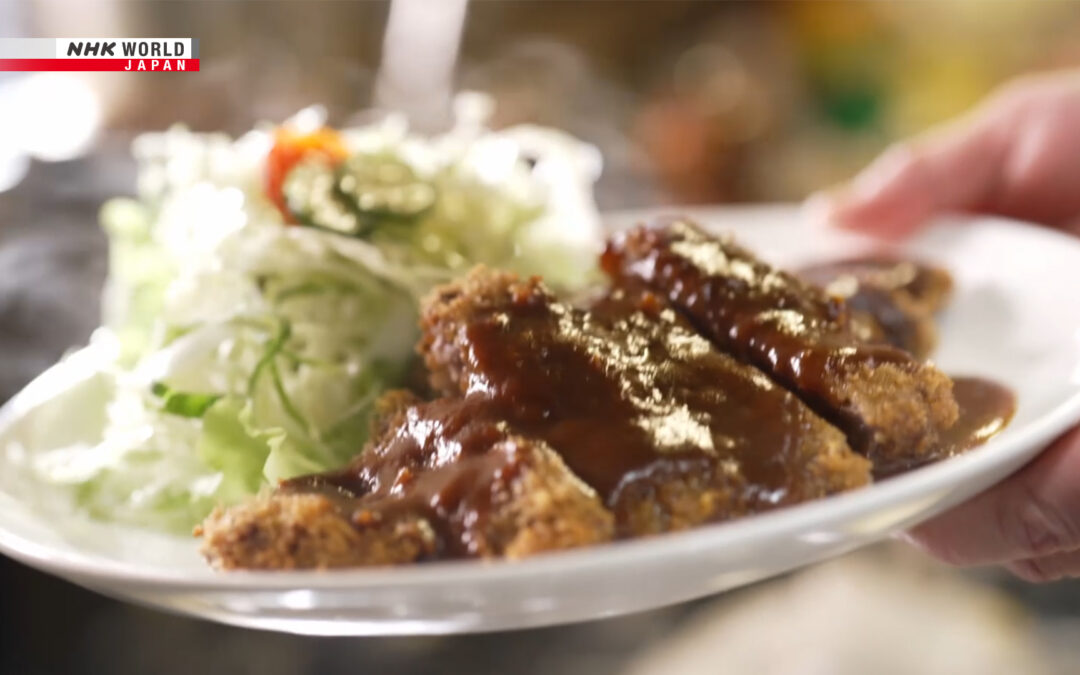
Western-style cuisine is a comfort food the people of Kobe have passed down with love. It gave them strength as they recovered from disaster. What stories lie behind its rich, brown demi-glace sauce?

Documentary 360
BLIND SPOT: Unseen Neighbors

January 10 Sat.
0:10/6:10/12:10/18:10 (UTC)

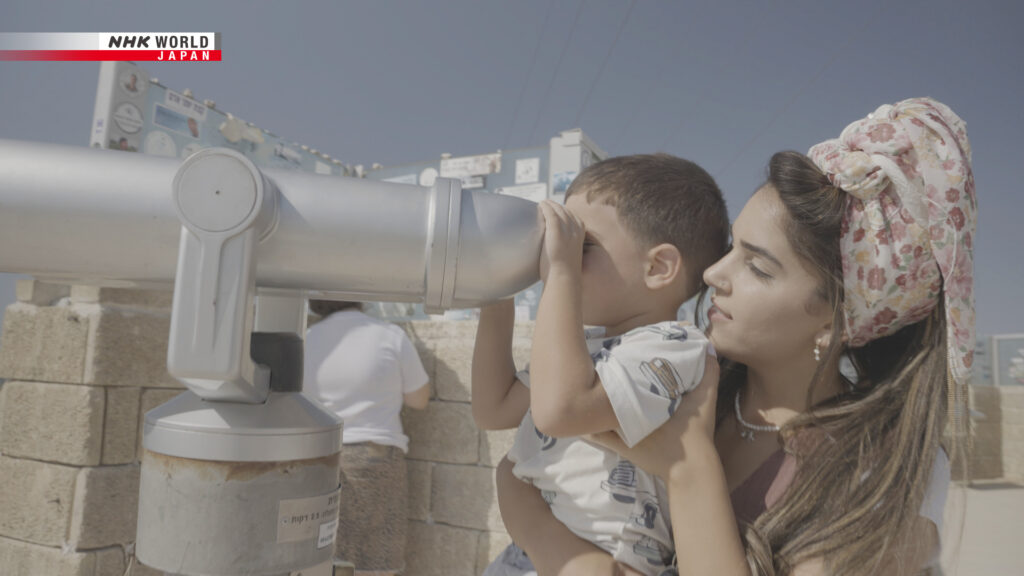
As famine spreads in Gaza and living conditions deteriorate, many Israeli citizens turn their attention away. This documentary probes the reasons and ramifications.?

Japanology PLUS

Thursdays
2:30/7:30/13:30/19:30 (UTC) Fridays
23:30 (UTC)

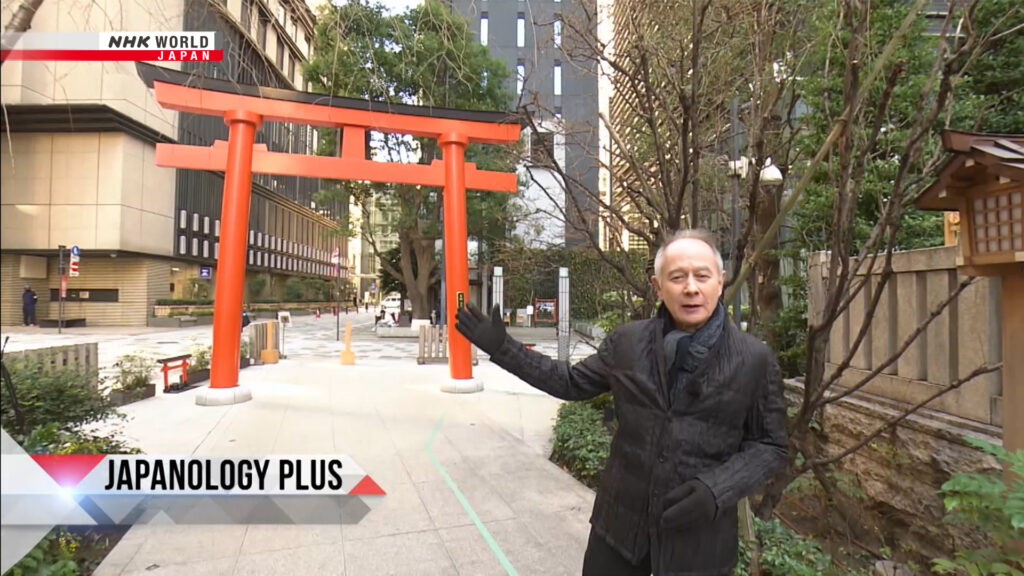
Fresh insights into Japan. Stories behind Japanese life and culture through the eyes of Peter Barakan, a 50-year resident and watcher of Japan.

GRAND SUMO Highlights

DAILY DURING TOURNAMENTS
16:30/23:30/4:30/8:30 (UTC)

The best of today’s sumo! Enjoy daily highlights of this dynamic sport with background info and play-by-play commentary adding to the excitement!?The January Tournament of GRAND SUMO is held from January 11th to 25th.