NHK WORLD-JAPAN programme focus for April: Japan’s Factory-Made Wonders

NHK WORLD-JAPAN programme focus for April: Japan’s Factory-Made Wonders

NHK WORLD-JAPAN programme focus for April: Japan’s Factory-Made Wonders

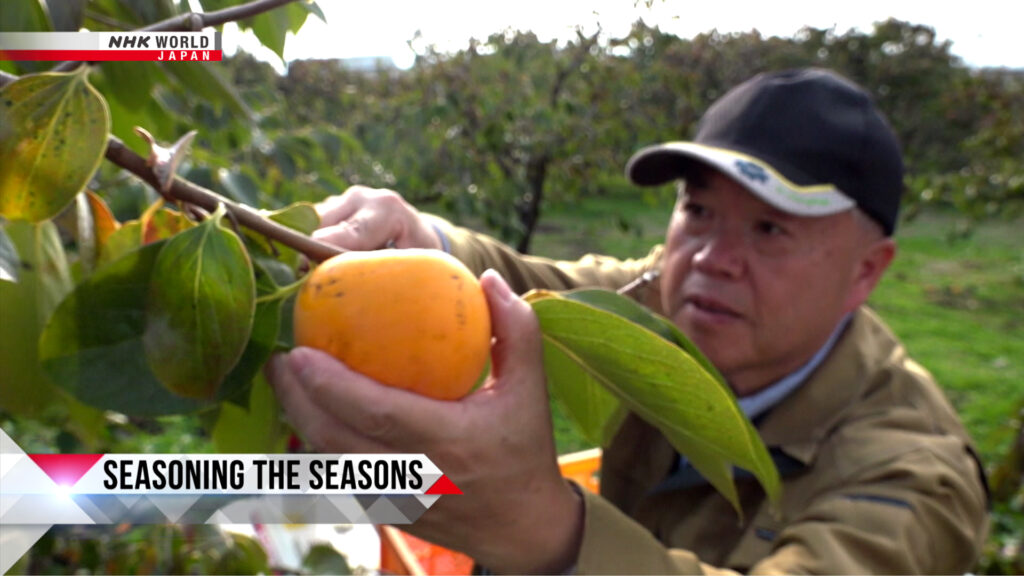
Manufacturing Magic

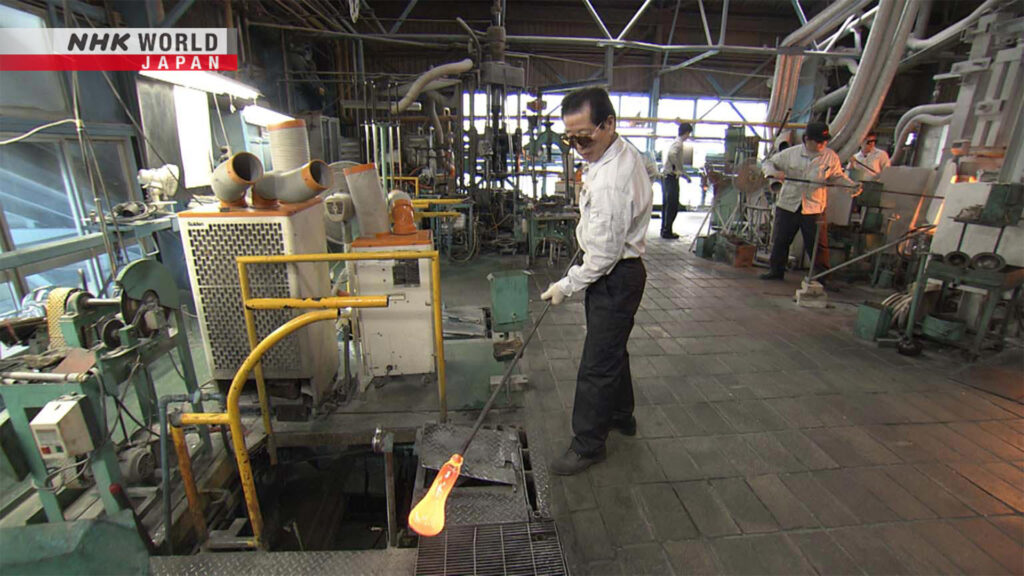
The Factory Wonders

Mondays
0:30/5:30/10:30/15:30 (UTC)

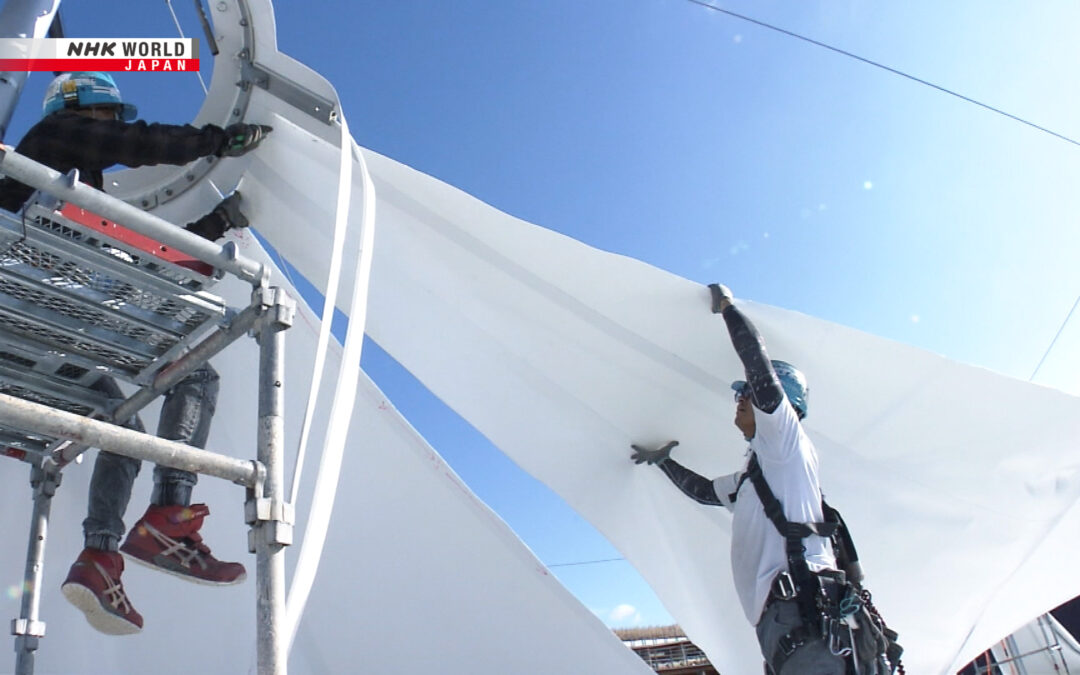
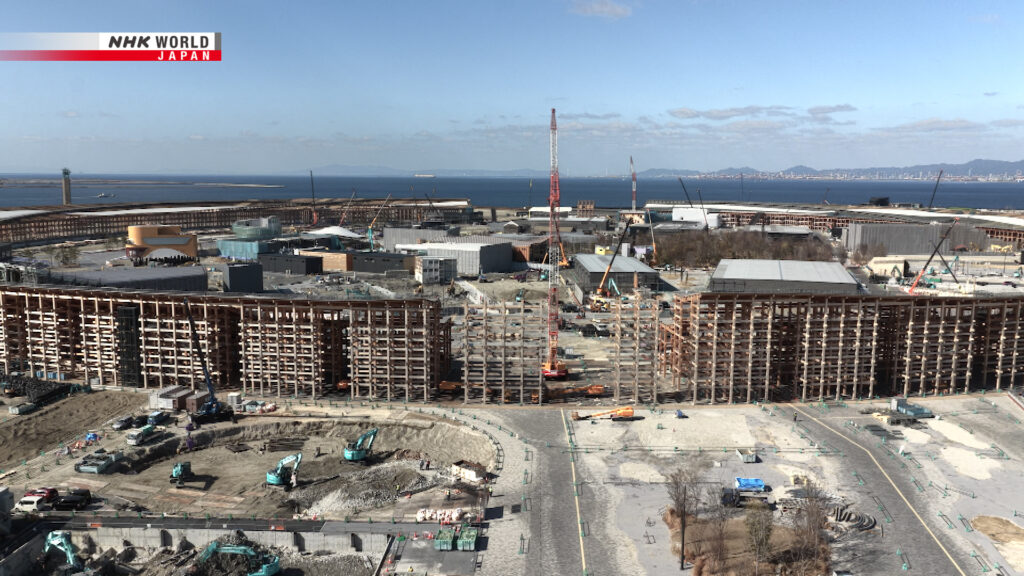
Comedians Reiji and Tsuyoshi of the duo Nakagawake and Suchiko explore the many wonders of Japanese manufacturing. They learn about the latest technology and even try their hand at expert skills.
(This program was originally broadcast in Japan as Tanken Factory.)

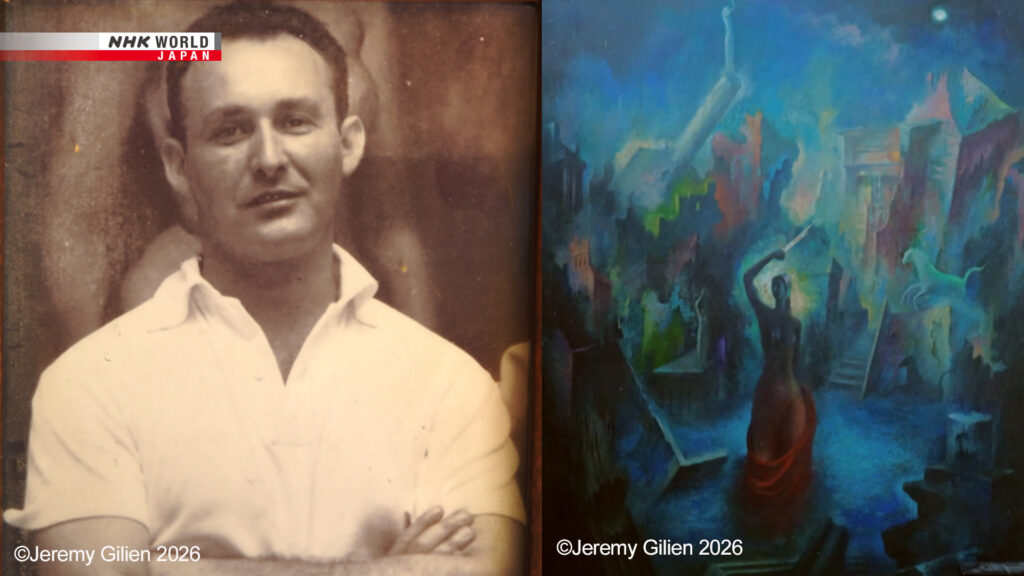
Silenced Witness:
Nagasaki in the eyes of a US combat artist

April 12 Sun.
0:00/18:00 (UTC)

Postwar Nagasaki transformed an American artist. His photos show survivors amid the devastation. For the rest of his life, Ted Gilien spoke of the inhumanity of the atomic bomb.

Japan Railway Journal

Thursdays
14:30/20:30/3:30/9:30 (UTC)

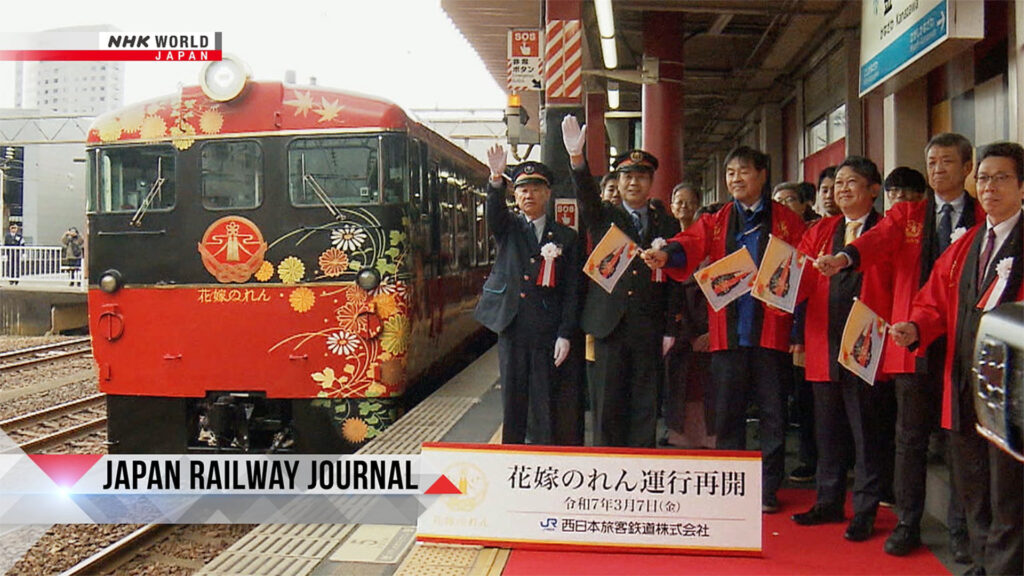
Go behind the scenes of Japan’s amazing railways. Interesting facts, new technologies, expert tips, plus where to go, how to get there and more!


Matt Brittin appointed new BBC Director-General

Matt Brittin appointed new BBC Director-General

Matt Brittin appointed new BBC Director-General

He will take over the role on 18 May

“At its best, it shows us, and the world, who we are. It’s an extraordinary, uniquely British asset, with over 100 years of innovation in storytelling, technology and powering creativity.  I’m honoured and excited to be asked to serve as Director-General.”

— Matt Brittin, Incoming Director-General

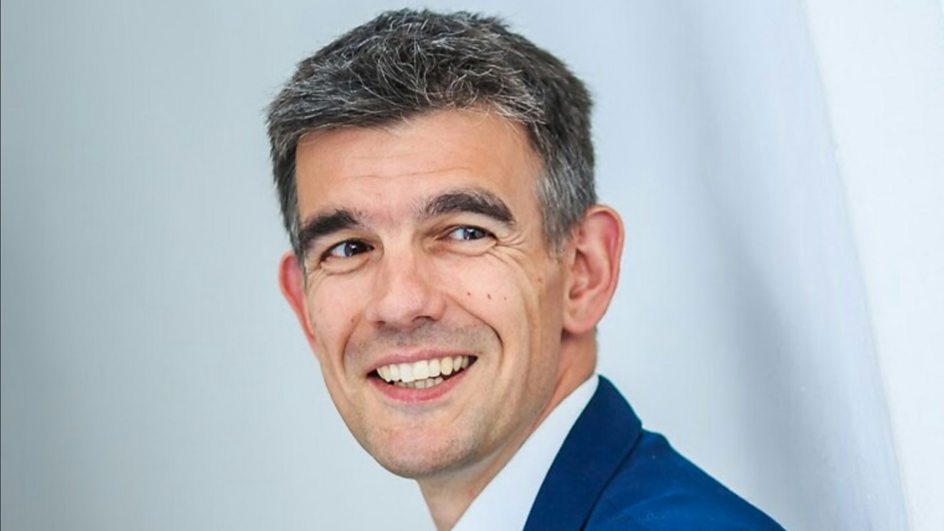
The BBC Board has today appointed Matt Brittin as the 18th Director-General of the BBC. Matt, former President Google EMEA, will take over the role on 18 May.

The Director-General of the BBC is the Corporation’s chief executive officer and editor-in-chief. They are responsible for the creative, editorial and operational leadership of the BBC within the United Kingdom and around the globe.

As previously confirmed, Rhodri Talfan Davies will lead the BBC as Interim Director-General following Tim Davie’s departure on 2 April. During this period, Matt will undergo an onboarding process and begin detailed introductory meetings to get a full understanding of the business. Rhodri will have full executive responsibility until 18 May, when Matt begins his tenure.

Among his other priorities, Matt intends to appoint a Deputy Director-General.

Samir Shah, Chairman of the BBC Board, said: “Matt brings to the BBC deep experience of leading a high-profile and highly-complex organisation through transformation. He is an outstanding leader and has the skills needed to navigate the organisation through the many changes taking place in the media market and in audience behaviours.

“Matt’s passion for the BBC, his understanding of the challenges facing the organisation, his commitment to its independence and his determination to maintain the BBC’s position as one of the country’s greatest national assets were critical factors in the Board’s decision to appoint him as the 18th Director-General.

“Matt joins the BBC at a critical time. The Government’s review of the Charter is underway, and it is clear there is need for radical reform of the BBC, its funding model and the framework in which it operates. The stakes for the BBC, and the future of public service broadcasting, have never been higher.

“The Board and I believe Matt is the right person to lead the BBC as it fights for a sustainable future in an uncertain world, for the benefit of audiences and the UK.”

Incoming Director-General, Matt Brittin, said: “Now, more than ever, we need a thriving BBC that works for everyone in a complex, uncertain and fast changing world. At its best, it shows us, and the world, who we are. It’s an extraordinary, uniquely British asset, with over 100 years of innovation in storytelling, technology and powering creativity. I’m honoured and excited to be asked to serve as Director-General.

“Working alongside so many talented journalists, creatives and technicians, across the country and around the world, I join with humility, to listen, to learn, to lead, and to serve the public, working hard to earn their trust every day.

“This is a moment of real risk, yet also real opportunity. The BBC needs the pace and energy to be both where stories are, and where audiences are. To build on the reach, trust and creative strengths today, confront challenges with courage, and thrive as a public service fit for the future. I can’t wait to start this work.”

Matt joined Google in 2007 to lead the UK business and left in 2025 after heading their EMEA region for ten years. He previously worked in regional and national press and in consulting on media and technology. Matt served on the Board of Sainsbury’s for nine years and has just stepped down from the Board of the Guardian Media Group.

Notes to Editors

  • The salary of the new Director-General will be £565,000
NHK WORLD-JAPAN programme focus in March: Phones for Heart-to-Heart Connections

NHK WORLD-JAPAN programme focus in March: Phones for Heart-to-Heart Connections

NHK WORLD-JAPAN programme focus in March: Phones for Heart-to-Heart Connections

Blowing in the Wind

The Wind Phone: From Japan to the World

March 10 Tue.
18:30 (UTC

Originating in Japan, the phenomenon of wind phones has now spread worldwide. These special phones, which aren’t connected to a telephone line, have the power to connect people with lost loved ones.

Fact-Checking America Inside PolitiFact

March 14 Sat.
0:10/6:10/12:10/18:10 (UTC)

As claims of “fake news” spread, PolitiFact, one of the most respected fact-checkers in the U.S., examines statements coming out of Washington, offering an inside look at journalism in search of truth.

Documentary 360

Regular programme

NHK WORLD-JAPAN’s flagship documentary series offers must-see episodes on politics, the economy, social trends, science and the environment in Japan and beyond.


Budget cut weakens Germany’s international broadcaster DW

Budget cut weakens Germany’s international broadcaster DW

Budget cut weakens Germany’s international broadcaster DW

Following the reduction in the federal subsidy for Deutsche Welle (DW) for 2026, the Broadcasting Council, the Administrative Board and the DW management team convened a special joint session to discuss a comprehensive package of measures to achieve the required savings of 21 million euros. Under the plan, the Greek service will be discontinued and the journalistic portfolio in other languages scaled back. The German-language journalistic offering will be merged with the German language courses. Numerous positions across the organization will be eliminated, and investment funds significantly reduced. In purely numerical terms, around 160 full-time positions are affected, although the final number may vary. There will be no layoffs.


Dr. Karl Jüsten, Broadcasting Council Chair: “DW must remain a strong voice for freedom, especially in restricted media markets such as Russia and Iran. To do that, it needs reliable, long-term funding. Due to the cuts, the broadcaster will have to expect significant losses in reach. This is particularly troubling, as Russia and China are investing heavily in their state-run propaganda outlets while the US withdrawal from international broadcasting is creating further gaps. By reducing funding to DW, both the German and European perspectives will be weakened internationally – and that at a time when Europe urgently needs new partners and allies. We especially regret the closing of the Greek service. For over 60 years, it strengthened German-Greek relations and made the German perspective visible in Greece. We did not take this decision lightly and it was not approved without dissenting voices. Unfortunately, the forced savings made this step unavoidable.”


Dr. Achim Dercks, Administrative Board Chair: “The current budget cuts at DW come just two years after they implemented a savings package of 20 million euros. This is in direct contradiction to the pledge made by the government in its coalition agreement to strengthen DW. Without restoring its funding in the 2027 Federal Budget, rising costs across nearly all areas threaten to lead to long-term damage to journalistic quality, technical infrastructure and reach. It is only with adequate funding that Deutsche Welle will be able to successfully make its contribution to free reporting and against disinformation.”


DW Director General Barbara Massing: “The savings made necessary by the cuts and the lack of compensation for collective wage increases are extremely painful. They weaken our competitiveness at a time when a strong German and European presence is becoming ever more important geopolitically. At the same time, we will continue to advance DW’s quality initiative and digital transformation, launched several years ago – albeit at a slower pace. DW is widely regarded as a trusted and independent source of information, both in censored markets and in countries where Germany is building strategic partnerships. Sustainable funding for the future is crucial if we are to fulfill our journalistic mandate in a highly competitive global information space. Now is the time for the government and parliament to set the necessary course together. I am sincerely grateful to the members of the Broadcasting Council and the Administrative Board for their support, which was clearly evident during the meeting.”


In the 2026 federal budget, the German government reduced its subsidy to DW by 10 million euros to 415 million euros. At the same time, the failure to offset moderate pay increases from the existing collective bargaining agreement will generate an additional 11 million euros in costs. As a result, DW is required to reduce spending by a total of 21 million euros. The savings will be implemented in a socially responsible manner and in accordance with DW’s strategic priorities. Multiple areas of the organization will be affected.


DW language services


DW’s Greek-language service will be discontinued. This service provided independent information to audiences in Greece, including during the military dictatorship. It served as an important channel of dialogue during the euro crisis, conveying German perspectives to the Greek public. Greece has long been a member of the European Union and is a stable democracy with a diverse media landscape, which is why DW must make cuts in this area.


DW’s German-language offering will be restructured: The journalistic offering DW German and DW Learn German will be merged, with the budget nearly halved. Independent journalism and integrated language-learning elements will be combined into a clearly defined overall product focused primarily on learners at higher language levels (from B1/B2). The new format is aimed at audiences outside the DACH region – Germany, Austria and Switzerland – including learners in pre-integration programs abroad who are seeking reliable information about living and working in Germany and Europe. The service is designed to combine journalistic relevance with practical guidance while strengthening language skills. People  who speak German well enough to follow current affairs coverage in the language can access established German-language media brands and publishers online.


Changes to the journalistic portfolio


The budget for the language services ´Portuguese for Africa` and Dari/Pashto for Afghanistan will be reduced. The number of editions of the Spanish-language TV news will be reduced, while prime-time broadcasts will remain unchanged. Several programs will be discontinued: the Russian-language satire magazine Zapovednik (an external production), the arts and culture magazine Arts Unveiled, and the debate format Auf den Punkt in all language editions. Also ending are the science magazine Tomorrow Today in Portuguese (target country: Brazil), the environmental magazine Eco Africa in Portuguese, and the Europe-focused magazine Europeo in all seven language editions.


Infrastructure and Administration


More than one-third of the total savings will come from infrastructure and administrative areas, as well as from cost reductions achieved through the use of AI. Professional training programs and events are among the areas affected. Funding will also be cut for technical equipment, the further development of DW apps and building renovations. The expansion of new international correspondents’ offices will be slowed. Costs in production and distribution will also be further reduced.
[Source: DW press release]
NHK WORLD-JAPAN’s focus in February is Hokkaido

NHK WORLD-JAPAN’s focus in February is Hokkaido

NHK WORLD-JAPAN’s focus in February is Hokkaido

Focus on Hokkaido

Trouble in Paradise: Okhotsk Encounters Climate Change

February 28 Sat.
1:10/7:10/13:10/19:10 (UTC)

Disruptions to Shiretoko Peninsula’s ecosystem are altering its balance. Sea ice is diminishing, as are trout and salmon. Ultra-high-resolution video reveals the changes.

The Imperial Palace

February 21 Sat.
1:10/7:10/13:10/19:10 (UTC)

The Imperial Palace of Japan showcases peerless artworks, craftsmanship, and a tradition of thoughtful hospitality. Join us on a journey into a world of supreme aesthetic elegance.

Asia Insight

Fridays
0:30/5:30/10:30/15:30/21:30(UTC)

Dynamic Asia. Stories behind the world’s largest continent as it faces political, economic, cultural and technological change.