
VoA responds to Turkish regulator threat over Internet services
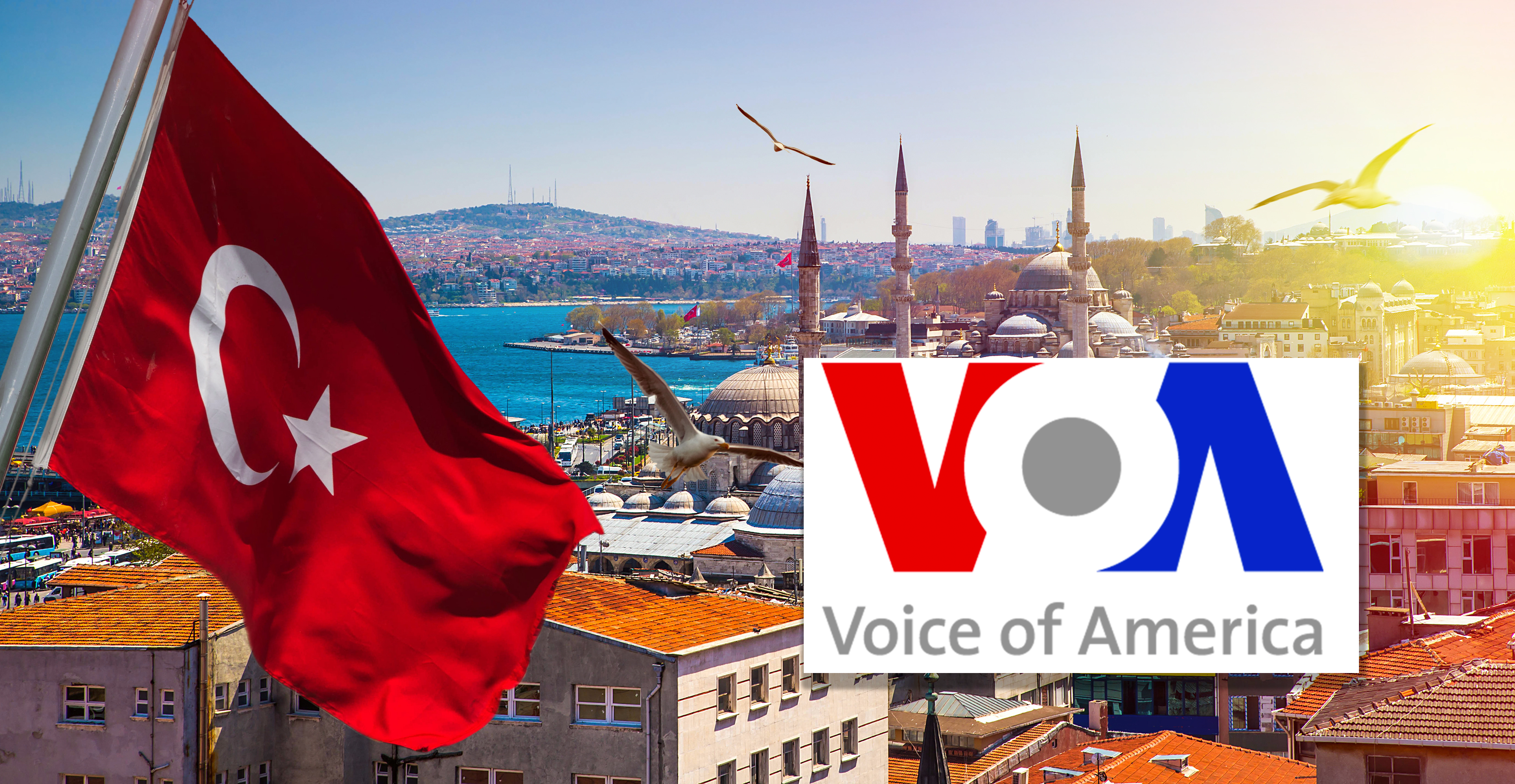
Following the announcement by Turkish media regulator RTüK about its plans to force international broadcasters to apply for licences to operate Internet-delivered services in the country [read the story here], Voice of America has issued a statement setting out its position.
On Monday, February 21, Turkish media regulator RTUK posted an official notice that the VOA Turkish language website would be blocked in 72 hours if VOA does not begin the process of applying for an “Internet broadcasting license.”
Many media organizations within and outside of Turkey have expressed significant concern that this licensing requirement is designed to enable censorship of unfavorable press coverage.
Licensing is the norm for radio and TV broadcasting, because broadcast spectrum is a finite public resource, and governments have a recognized responsibility to regulate the spectrum to ensure it is used in the broader public’s interest. The internet, by contrast, is not a limited resource, and the only possible purpose of a licensing requirement for internet distribution is enabling censorship.
VOA is a public service international broadcaster, VOA is legally required to provide “accurate, objective, and comprehensive” news coverage to audiences in all of the countries it serves. Accordingly, VOA’s Charter prevents VOA from agreeing to or allowing its coverage to be censored in any way. Our editorial decisions are required to be governed at all times by the highest professional standards of journalism. So VOA could not comply with directives from a regulator to censor or remove content; nor then could VOA willingly agree to subject itself to such censorship.
“The threat to block the websites of the Voice of America, Deutsche Welle, or any other independent, public service, professional news service in Turkey is worrisome,” said Acting VOA Director Yolanda López. “Voice of America’s independent journalism cannot be subject to this or any government’s control which results either in censorship or even the perception of it.”
Accordingly, absent an alternative, VOA believes that it will be obliged to file an objection with Turkish regulators to the request to apply for a license.
Commenting on the situation, AIB chief executive Simon Spanswick said: “At the AIB, we are extremely concerned about the demand by Turkey’s media regulator that two of our members – Deutsche Welle and Voice of America – must apply for a licence to deliver their Turkish language service online in the country. The decision by RTÜK appears arbitrary and out of step with other regulators in Europe (RTUK is a member of the European Platform of Regulatory Authorities). There is a real danger that the decision will deprive Turkish citizens of access to the important international news sources that DW and VoA provide.”