

Save our Dogs: BBC Africa Eye exposes social media rescue scam network operating from Uganda
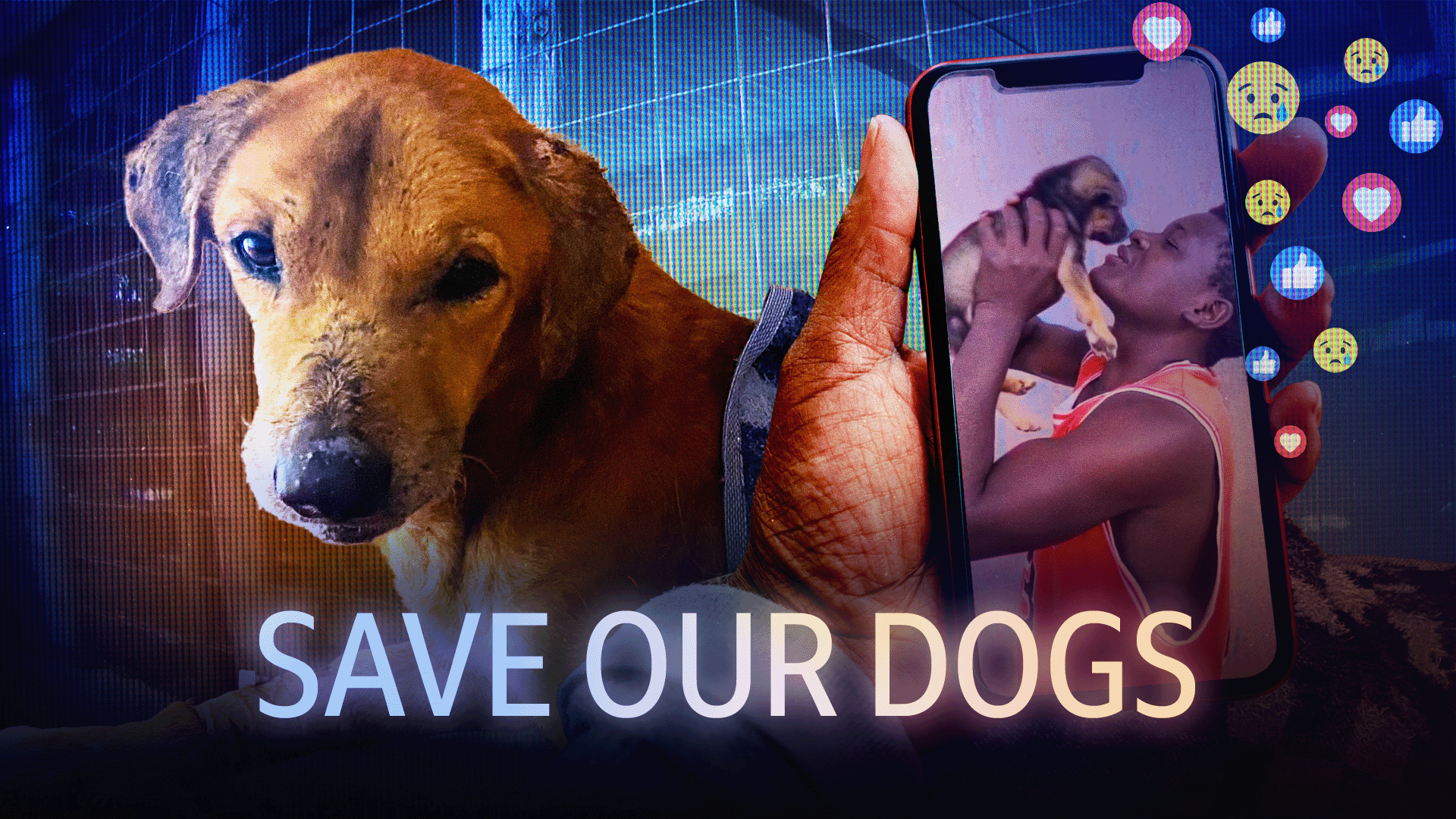
An undercover investigation by the BBC reveals how a network of sham shelters has raised thousands of dollars from donors globally whilst subjecting animals to harm.
Social media videos of injured and distressed dogs are at the centre of a large-scale international donation scam uncovered by BBC Africa Eye. Hundreds of thousands of pounds raised for animal care are sometimes being used to pay for cars, property and personal expenses by those running the accounts.
BBC Africa Eye, from the BBC World Service, reviewed hundreds of online pages raising money for pet shelters in Uganda. Almost 40% of them were linked to shelters in the Ugandan town Mityana.
How the scam operates?
Operating like a rental business, some shelter owners allow multiple content creators to film with the animals in exchange for a fee. Each content creator then runs their own fundraising drive using the video footage of dogs.
In undercover footage, a shelter owner named Charles, explains how the model works:
“You tell people that you have been evicted and the landlord has given you one months’ notice to leave… They will then start a GoFundMe [fundraising campaign] for you to buy land. And once you receive the GoFundMe money, you use it to buy a car or build a house…you just repair and move things around just for show.”
Charles was caught in video footage stating that there have been instances where other content creators have “cut the dogs” to make them appear more battered.
Charles denied injuring dogs. He acknowledged that content creators pay to film at his shelter.
The case of Russet the dog
One dog, Russet, was tracked by the BBC after appearing online badly injured.
Three weeks after his pictures were first posted online, a UK donor negotiated his release from those filming him. He was taken to a veterinary clinic in Kampala.
Veterinary surgeon Dr Isa Lutebemberwa assessed Russet and found his injuries were unlikely to have been accidental. Despite surgery to try and save him, Russet sadly later died.
Dr. Isa Lutebemberwa said meeting Russet changed him and shapes everything he does.
“If you look in his face you’ll see he’s endured a lot of pain and suffering…he had a bright life ahead of him. The voiceless animals out there [in Mityana], they need someone who can advocate for them.”
The people fighting back – local community and activists
With high youth unemployment in Mityana, social media has created new income opportunities – but some local residents told the BBC they are not happy about the bad reputation the scammers have brought the town, and they care about dogs like Russet who may be suffering in the shelters.
Ashiraf, a young local shopkeeper, said many young people are drawn into the trade because ‘dogs are seen as a source of money’, but scamming had never been his path: “My focus is to keep running the family business… I love animals. Even though I desire the money and lifestyle, the scamming business has never been my thing.”
He added that many in the community feel troubled by what is happening:
“People feel sad for the dogs but they don’t speak about it. If more people raised their concerns… a way to tackle this issue could be found.”
As donors have become aware of the scam, UK-based activist group We Won’t Be Scammed, founded by Nicola, herself a former victim, has mounted unofficial rescue operations, recovering more than 50 dogs to date.
Nicola said she initially donated for what she believed was veterinary care, until a colleague identified it as abuse. Many members of the group share similar experiences.
Not all donors have walked away from Uganda. Joanne, a British woman who first sent small donations to a shelter, has since travelled to the country three times in nine months to help run a shelter for stray dogs herself.
Asked whether her presence contributed to the broader problem of scam shelters, she said:
“I don’t think I’m actually making a problem by contributing my funds. The problem is if you closed down all the shelters, where are all the dogs going to go?”
Mityana Police said they have previously investigated animal cruelty at dog shelters in the area, including rescuing injured dogs and making arrests. One case was closed with a warning.
Where to watch or listen
- BBC Eye TV Documentary ‘Save our Dogs: Inside Uganda’s Rescue Scam’: Available from Monday 4 May
- BBC News Africa YouTube & on TV channels broadcasting BBC Africa Eye.
- UK audiences: Watch on BBC iPlayer.
- Radio – ‘For the love of Dogs’: The investigation will appear on radio show ‘The Documentary’ on BBC World Service radio or wherever you get your BBC podcasts.