Iran International journalists receive credible threats to life – in the UK

Iran International journalists receive credible threats to life – in the UK

Iran International journalists receive credible threats to life – in the UK

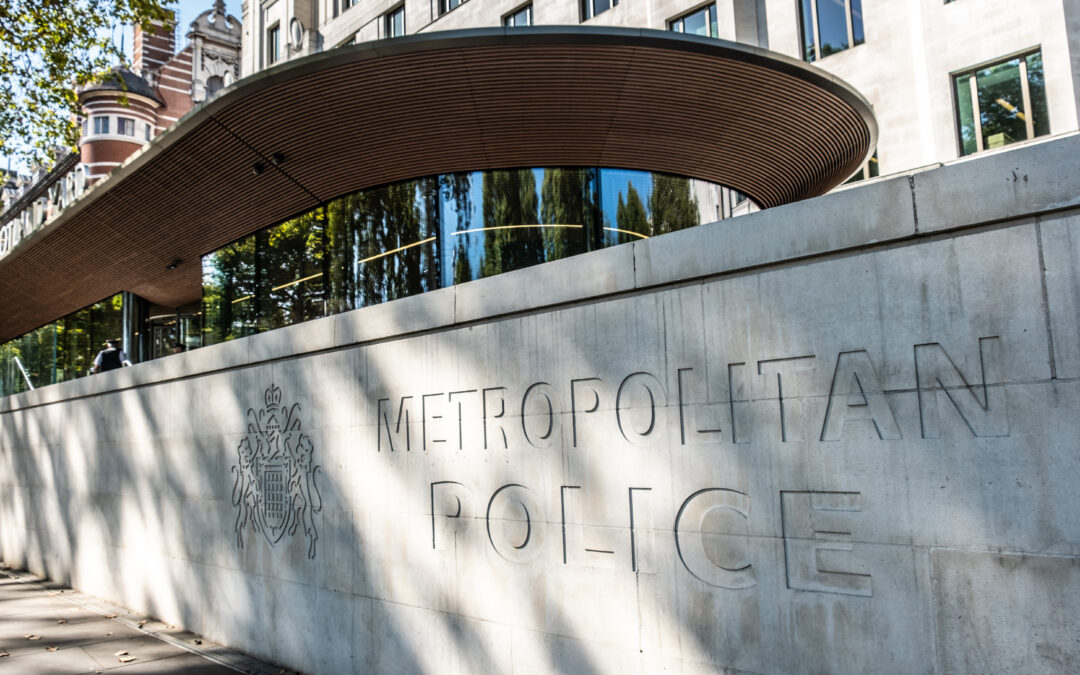
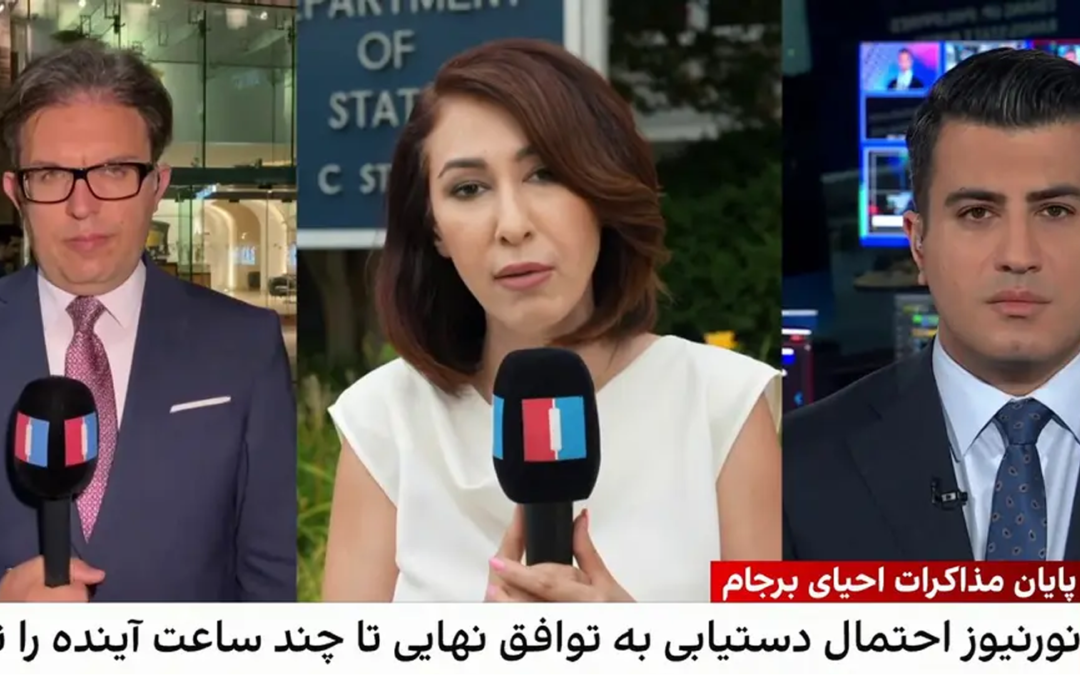
Iran International, the independent UK-based Farsi-language news channel has said that is shocked and deeply concerned by the credible threats to life its journalists have received from the IRGC.

Two of the channel’s British-Iranian journalists have, in recent days, been notified of an increase in the threats to them. The Metropolitan Police have now formally notified both journalists that these threats represent an imminent, credible and significant risk to their lives and those of their families. Other members of Iran International staff have also been informed directly by the Metropolitan Police of separate threats.

Iran International say its journalists are subject to abuse 24/7 on social media. “But these threats to life of British-Iranian journalists working in the UK marks a significant and dangerous escalation of a state-sponsored campaign to intimidate Iranian journalists working abroad. These lethal threats to British citizens on British soil come after several weeks of warnings from the IRGC and Iranian government about the work of a free and uncensored Farsi-language media working in London,” the channel said in a statement.

“Britain is the home of free speech,” the statement continues. “Iran International stands as part of that tradition, proud to serve the 85m people of Iran with independent, uncensored information. The Islamic Republic of Iran, and specifically the IRGC cannot be allowed to export their pernicious media crackdown to the UK. The IRGC cannot be allowed to act abroad with impunity.

“We hope that the UK Government, international governments and other organisations will join us in condemning these horrific threats and continue to highlight the importance of media freedom.

“We would like to thank the Metropolitan Police for their considerable efforts in keeping journalists safe.”

The AIB continues to support channels and their staff under threat from bad actors.

Image: William Barton/Shutterstock​

Iran increases pressure on international broadcasters

Iran increases pressure on international broadcasters

Iran increases pressure on international broadcasters

The Iranian government is stepping up its pressure on Farsi-language broadcasters as protests against the regime continue to escalate across Iran.

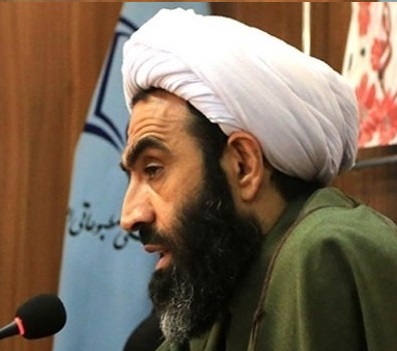
Bearing the brunt of the attacks over the weekend of 8-9 October is London-based Iran International TV. The Secretary of the legal and judicial committee of the Iranian parliament, Mohammad-Taghi Naqdali, known as a hardline cleric, called on the Iranian government to “use capabilities in the international arena” to take steps against Iran International that he claims “make calls for riots, destruction of property and regime change.”

Naqdali’s comments follow extensive jamming traced to Iran of international satellites operated by Eutelsat and Arabsat that were stepped up after demonstrations against the Iranian government increased following the death of Mahsa Amini in police custody in September.

The Iranian cleric suggested that his government should lodge complaints about Iran International with UK media regulator Ofcom, saying that the regulator “can be used by the [Iranian] foreign ministry and the Judiciary” to get the broadcaster shut down. In 2019, Iran’s ambassador to the the United Kingdom raised a complaint with Ofcom about a broadcast in September 2018 that was overruled by the regulator with the regulator finding that Iran International had kept within the UK’s Broadcasting Code.

Iran has long been involved in the jamming of TV and radio broadcasts from outside the country where news and information is strictly controlled by the Iranian government. This is contrary to international law, and the ITU Radio Regulations to which Iran is a signatory.

The AIB is working closely with its Members affected by Iranian jamming and by the Iranian government’s attempts to silence their operations.

[Image: By Tasnim News Agency, CC BY 4.0, https://commons.wikimedia.org/w/index.php?curid=98521741]

Iran jamming Eutelsat – again

Iran jamming Eutelsat – again

Iran jamming Eutelsat – again

Following the anti-government protests that flared up following the death of 22-year-old Mahsa Amini in Iranian police custody last month, the Iranian authorities appear to be stepping up their efforts to restrict information coming into the country.

Satellite operator Eutelsat reports that it has been suffering jamming on two of its satellites since 26 September. These attempts at causing deliberate harmful interference are affecting the transmission of a number of TV and radio channels that provide services to Farsi-speaking audiences in Iran. The jamming affects other channels that are not targeted towards Iran as well.

Eutelsat says that it has carried out research using a specially designed interference detection system. The result show that the source of the jamming transmissions is within Iran.

Eutelsat says that it has “decided to take action simultaneously along two main lines: on the diplomatic front, and using all appropriate national and international procedures, Eutelsat has immediately notified the relevant authorities in the Islamic Republic of Iran, demanding that the harmful jamming operations be immediately and permanently stopped. Eutelsat has also reminded the relevant Iranian authorities that intentional jamming is explicitly prohibited by the International Telecommunication Union (ITU) Radio Regulations.”

Broadcasters such as London-based Iran International say that their transmissions have been affected by the illegal jamming by the Iranian authorities.

Iran has employed satellite jamming for many years in the regime’s attempts to limit access to free and impartial information getting into the country. In spite of their efforts, audiences for Farsi-language channels from outside the country continue to grow as viewers and listeners find ways to circumvent their government’s efforts.

The AIB will be monitoring the situation and taking action on behalf of its Members affected by the illegal jamming of their signals.

Read more: the AIB’s brief history of jamming


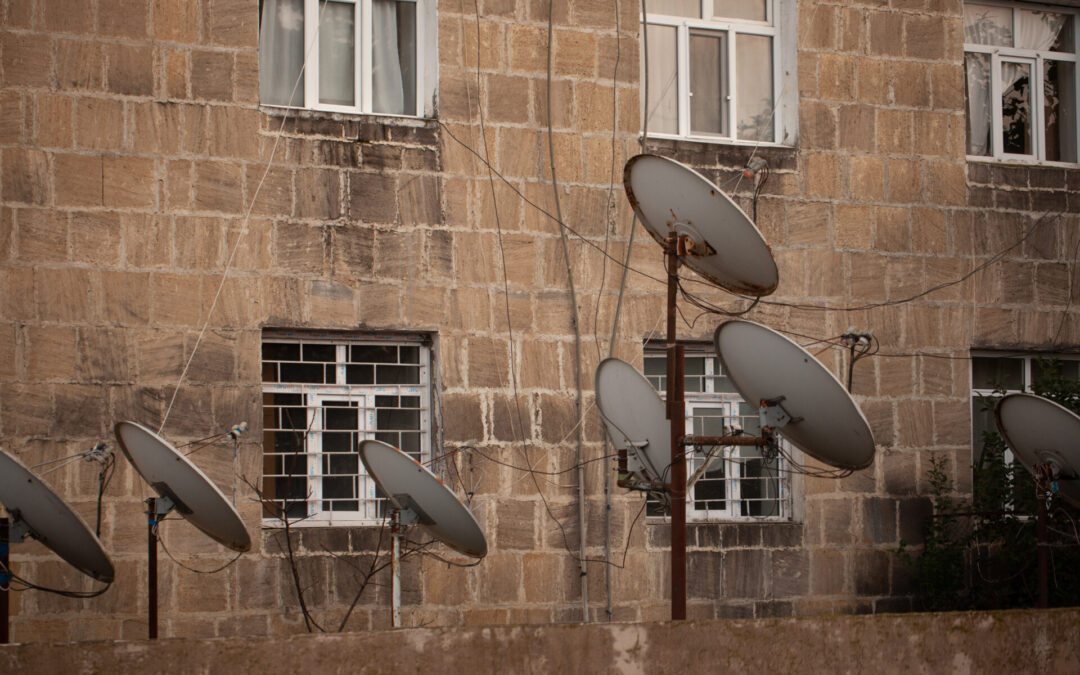
Photo: satellite antennas on roofs in Iran 

Iran International leads popularity stakes

Iran International leads popularity stakes

Iran International leads popularity stakes

Foreign-based Persian-language broadcasters dominate the news and information market in Iran, according to an article in Shargh Daily, a relatively independent and reformist newspaper in Iran.

The article, published on 8 August, calls for the Iranian government to be more tolerant of media and criticism, pointing out that Iranian citizens turn to international TV news services for day-to-day information.

BBC News Persian, Iran International, Manoto and VoA Persian News Network are influential, “with Iran International getting ahead by employing anchors and journalists who left Iran and having an impact on public opinion in the country.”

The article’s author, Ghader Bastani, writing on Iran’s Journalist Day, urged the government to give freedom “as the most effective way to fight corruption and improve government efficiency.”

According to a survey carried out by the Netherlands-based Gamaan agency in 2021, Iran International had the highest audience for TV news in the country, at 33% daily audience, while Manoto TV rated at 30%. BBC News Persian ranked at 17%, Turkey-based Jam TV at 16.5% and Persian News Network operated by Voice of America at 11%. Iranian state TV ranked at 16%, according to the survey.

UN raises ‘grave concern’ with Iran over harassment of BBC News Persian staff

UN raises ‘grave concern’ with Iran over harassment of BBC News Persian staff

UN raises ‘grave concern’ with Iran over harassment of BBC News Persian staff

The United Nations have raised concerns with Iran over the ongoing harassment of BBC News Persian staff, in a formal communication requesting Iran’s response and explanation. The UN communication comes after the BBC filed an urgent appeal to the UN in February 2022 against Iran’s ongoing harassment of BBC News Persian journalists. This includes online violence and gendered attacks faced by women journalists as well as increased financial pressure from an ongoing asset freeze, which operates as a blunt financial sanction against BBC News Persian journalists and their extended families.

The UN communication was sent to Iran on 28 May 2022 and has now been published along with Iran’s response.

The UN experts expressed their “grave concern over the continuation of reported harassment and intimidation of the BBC News Persian staff and their family members, which appears to be aimed at preventing them from continuing their journalistic activities with BBC News Persian.”

The communication was sent by four UN specialist experts who work on arbitrary detention, freedom of speech, violence against women and Iran. It set out the pattern of harassment that BBC journalists have suffered over the past decade, including “the systematic attacks, including harassment, asset freezing, serious threats, and defamation campaigns implemented by the authorities against BBC News Persian journalists”. The UN experts also raised concern about the surveillance of journalists and the harassment of their journalistic sources in Iran, the interrogation of family members of BBC journalists, and the pressure placed on BBC journalists ‘to leave their jobs’ – all of which may have a ‘chilling effect’ on journalism. 

According to the UN experts, these measures “show a pattern and practice of employing these measures by the authorities of the Islamic Republic of Iran to hinder journalists from carrying out their work”. 

The BBC filed a new UN complaint earlier this year which focused on online harms and threats directed at women journalists working at BBC News Persian. The UN experts said they were “particularly concerned at the gendered physical and psychological threats and attacks against women journalists of BBC News Persian including death and rape threats online”.

They further stated: “Given the importance of an online presence for the exercise of contemporary journalism, online violence undermines women journalists’ ability to fully participate in the profession.”

In Iran’s response to the UN experts, it seeks to justify its treatment of BBC journalists by falsely claiming their journalism is aimed at ‘the overthrow of the Islamic Republic’, complains of ‘hostile’ coverage which ‘tarnishes’ the regime, and falsely asserts that BBC reporting has ‘incited riots’.

The UN experts made a number of specific requests for information about the status of the asset freeze and an explanation of the justification and legal basis for it, as well as a request that Iran provide “information about the legal and factual basis for interrogating the families of journalists working abroad” and how it is compatible with Iran’s international human-rights obligations. They also requested specific measures that Iran is taking “to protect women journalists, including in the digital space and against online threats”. Iran’s response failed to answer these requests.

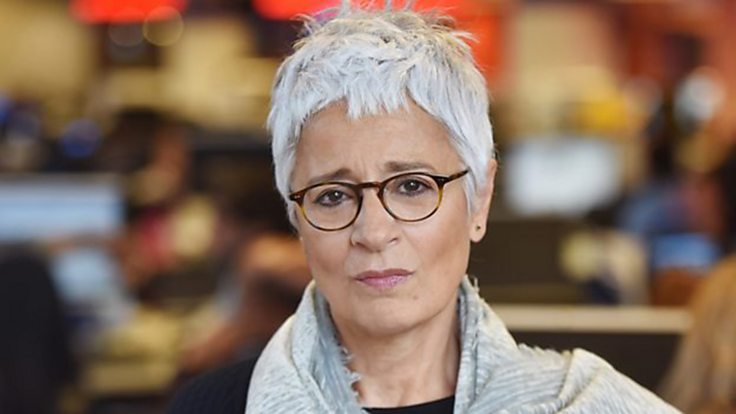
Liliane Landor, Director of BBC World Service (pictured) says: “We are grateful to the United Nations for raising our grave concerns about the treatment of our BBC News Persian journalists. We reject Iran’s attempt to justify its behaviour – the sanctions and harassment against our colleagues and their families must stop.”

Caoilfhionn Gallagher QC and Jennifer Robinson of Doughty Street Chambers, counsel for the BBC World Service, said: “Iran’s aggressive, defensive response to the UN experts provides a revealing insight into how it considers independent journalism: a threat to its power, which must be silenced. Iran’s words confirm the accuracy and urgency of the grave concerns raised by the UN. The international community must now hold Iran to account and take steps to ensure that our brave clients from BBC News Persian are no longer targeted and harassed simply for doing their jobs – simply for being journalists.”

Michelle Stanistreet, National Union of Journalists General Secretary, said: “The NUJ thanks the UN for taking up the cases of our journalists and their families at BBC News Persian, who have been subjected to a horrific policy of abuse from the Iranian authorities, with women being made the target of dirty tricks and false stories often of a sexual nature. Iran’s response has been deeply shocking. BBC News Persian journalists uphold the best of journalistic standards in their reporting of the situation in Iran. The UN must follow up on the refusal of the Iranian government to drop its freezing of assets and again seek assurances to guarantee it will stop the targeted attacks on journalists and their families.”

The UN experts also warned Iran that they intend to raise public concern about the treatment of BBC News Persian staff, stating “the wider public should be alerted” to Iran’s conduct towards journalists.

Since 2017, the BBC World Service has filed a number of UN complaints over the treatment of BBC News Persian staff and their families, represented by Caoilfhionn Gallagher QC and Jennifer Robinson at Doughty Street Chambers and supported by the National Union of Journalists (NUJ) and the International Federation of Journalists (IFJ).

Notes for Editors

  1. The UN communication was sent by four experts:
  • Mumba Malila, Vice-Chair of the Working Group on Arbitrary Detention;
  • Irene Khan, Special Rapporteur on the promotion and protection of the right to freedom of opinion and expression;
  • Javaid Rehman, Special Rapporteur on the situation of human rights in the Islamic Republic of Iran; and
  • Reem Alsalem, Special Rapporteur on violence against women, its causes and consequences.
  1. The UN communication to Iran is accessible here: https://spcommreports.ohchr.org/TMResultsBase/DownLoadPublicCommunicationFile?gId=27277
  2. The Islamic Republic of Iran government response is accessible here: https://spcommreports.ohchr.org/TMResultsBase/DownLoadFile?gId=37044
  3. UN procedures on communications to governments are available here: https://www.ohchr.org/en/special-procedures-human-rights-council/what-are-communications. After UN communications are made, the relevant government has 60 days to respond and only after this is the complaint made public.

[Source: BBC press release]