14 November 2017
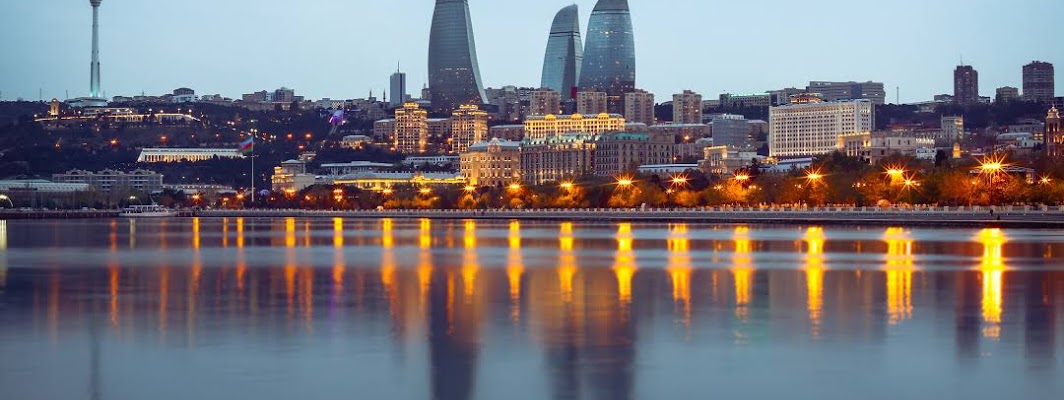
Photo credit – Elshad Asafov – Atlas Engineering
The BBC’s service in Azerbaijani, BBC Azərbaycanca, has expanded its reach with the launch of a dedicated channel on WhatsApp. The Xəbərin olsun! (Be in the know!) account is open to Azerbaijani-speakers, wherever they are, from 14 November 2017.
To join the group, users need to add +447548711235 to their WhatsApp contacts list and send a message simply saying “BBC”. The BBC will then contact them with the terms and conditions of using the channel.
Around 60% of the traffic to the website bbcazeri.com comes from social media. BBC Azərbaycanca Editor, Konul Khalilova, comments: “Via this new chatapp channel we will deliver news stories that inspire and engage our audience. We already see a growing following on Instagram – a platform of choice for young women – and our engagement rate on Facebook is also quite high. We will do our best to make our new channel a popular addition to Azerbaijani-speakers’ social-media habits.”
BBC Azərbaycanca connects with its social-media audiences on Facebook (with weekly Facebook Lives), Instagram, Twitter and YouTube. Bringing the BBC’s coverage of global and regional events and developments, the service puts the developments in Azerbaijan and the wider region in the global perspective and offers a special focus on international developments which affect Azerbaijan and the region.
BBC Azərbaycanca is part of the BBC World Service.
(Source: BBC press release)
26 October 2017
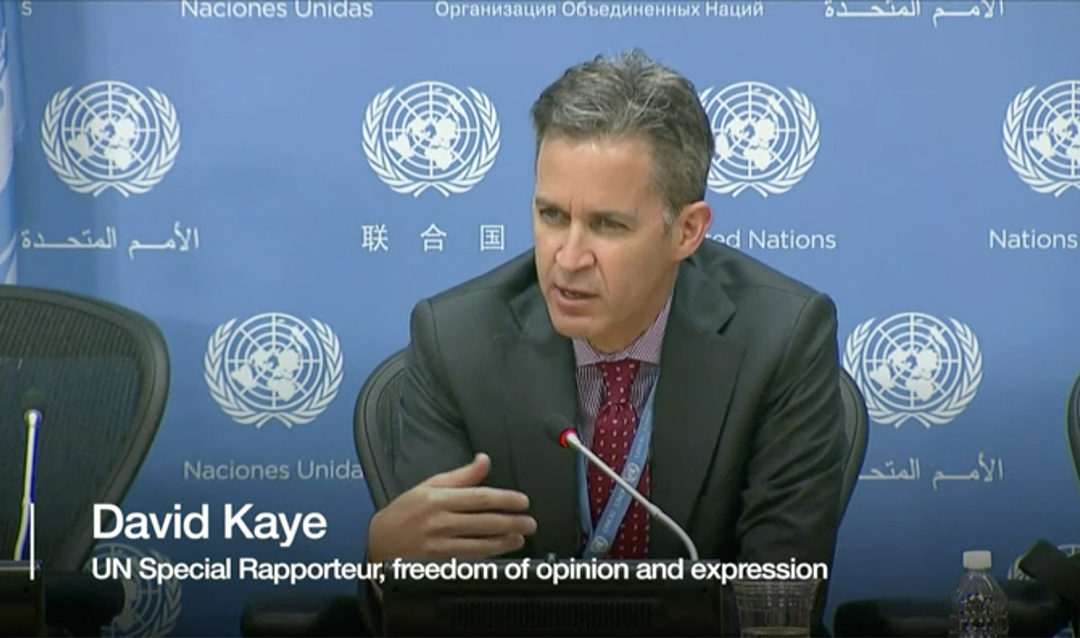
The BBC has filed an urgent complaint to David Kaye, UN Special Rapporteur on the promotion and protection of the right to freedom of opinion and expression, on behalf of the staff of its BBC Persian service. The urgent complaint has also been sent to Asma Jahangir, UN Special Rapporteur on human rights in Iran, who will on Wednesday during her statement to the UN raise her concerns about the harassment of BBC Persian staff and their families.
The appeal comes after the Iranian authorities initiated a criminal investigation into 152 BBC Persian staff, former staff, and contributors, for “conspiracy against national security” in Iran and abroad. A subsequent court order freezes the assets of BBC Persian staff, meaning they cannot inherit family assets and preventing them and their families from selling assets, like property or even cars, in Iran. This is a deprivation of human rights which is against the Iranian constitution.
This is the latest in a sustained campaign of harassment and persecution which is designed to pressure journalists against continuing their work for the BBC. The campaign includes cases of the arbitrary arrest and detention of BBC Persian staff’s families, the confiscation of passports and travel bans on family members leaving Iran to prevent them from seeing their relatives working for the BBC Persian Service, ongoing surveillance and harassment, and the spread of fake and defamatory news stories designed to undermine the reputation of BBC Persian staff and their families.
Tony Hall, Director General of the BBC, said:
“The Iranian government is conducting what appears to be a politically motivated investigation into 152 BBC Persian staff, former staff and contributors, accusing them of conspiracy against national security in Iran. This is an unprecedented collective punishment of journalists who are simply doing their jobs. This is not just a campaign against BBC Persian staff but against fundamental human rights, and the BBC calls on the government of Iran to end this legal action immediately.
“BBC Persian provides independent, fair, and impartial news to a huge number of people in Iran and beyond, thanks to the dedication and professionalism of its staff. I would like to pay tribute to them and their families for their resilience in the face of years of concerted intimidation from the Iranian authorities.
“The BBC, on behalf of its staff, will use all available legal avenues to challenge this order and we call on the international community to use their own influence in Iran to persuade the authorities that this completely unacceptable treatment must end.”
Since the disputed 2009 presidential elections – when the Iranian government accused foreign powers of interference – BBC staff and their parents, siblings and friends have suffered at the hands of the Iranian authorities. Examples include:
- The sister of a journalist was held in Evin prison for 17 days and forced to plead with the journalist via Skype to stop working for the BBC or spy on colleagues
- Many elderly parents have been interrogated, including being questioned late at night
- A child under ten years old was called in for questioning because of their relationship to a staff member
Many BBC Persian staff have not been able to visit their dying parents for fear of imprisonment or being prevented from leaving Iran. Reputations have been attacked in the press and on social media with false and defamatory allegations. Many staff have been subjected to fake news accusing them of sexual impropriety or sexual acts which are illegal in Iran, including those which attract the death penalty.
The BBC’s complaint to the UN cites numerous severe breaches of Iran’s obligations under various international treaties to which it is a signatory.
The Association for International Broadcasting has written to the Iranian Ambassador in London protesting about the attacks on BBC Persian staff.
21 August 2017
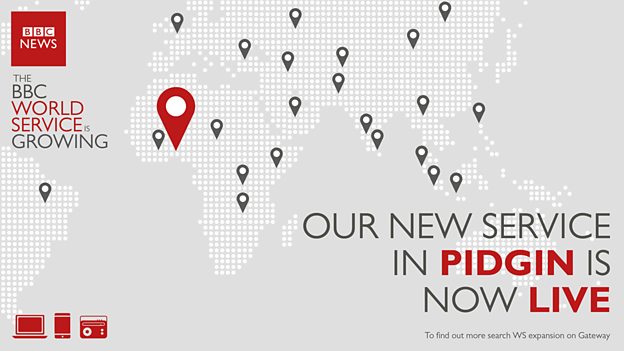
The BBC World Service launched its first new language service in its biggest expansion since the 1940s on 21 August.
A digital Pidgin service for West Africa has launched and will be followed by new online services in Amharic, Afaan Oromo and Tigrinya, aimed at Ethiopia, Eritrea and diaspora audiences around the world. Further services, including Korean, are set to launch from this autumn. This expansion means BBC News will operate in more than 40 languages.
The BBC World Service expansion comes following a funding boost of £289m from the UK Government.
 Director-General of the BBC Tony Hall (pictured left) says: “Today marks the start of a new chapter for the BBC.
“The BBC World Service is one of the UK’s most important cultural exports. In a world of anxieties about ‘fake news’, where media freedom is being curtailed rather than expanded, the role of an independent, impartial news provider is more important than ever. The new services we’re launching will reach some of the most under-served audiences in the world.”
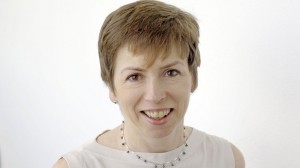 World Service Director Francesca Unsworth (right) says: “For more than 80 years the BBC World Service has brought trusted news to people across the globe. I’m delighted that millions in West and then East Africa will be able to access the BBC in the languages they speak.
“The BBC World Service expansion will also bring benefits to audiences in the UK. Having more journalists on the ground will enrich our international reporting, bringing news from areas which are often under-reported.”
Pidgin is spoken by an estimated 75m people in Nigeria alone, with additional speakers in Cameroon, Ghana, and Equatorial Guinea.
The Pidgin service is fully digital featuring six daily editions of BBC Minute – a 60-second audio news update – followed by two daily news video bulletins in November. Two further services for West Africa – Yoruba and Igbo – will launch at the beginning of next year.
The Amharic, Afaan Oromo and Tigrinya services will launch online and on dedicated Facebook pages next month. This will be followed later in the year with shortwave radio services in each language, consisting of a 15-minute news and current affairs programme, followed by a 5-minute Learning English programme, from Monday-Friday.
17 August 2017
“We call upon the Iranian authorities to reverse this order urgently and allow BBC staff and former staff to enjoy the same financial rights as their fellow citizens.”
The BBC’s Persian Service is banned in Iran and BBC Persian staff and their families routinely face harassment and questioning from the authorities.
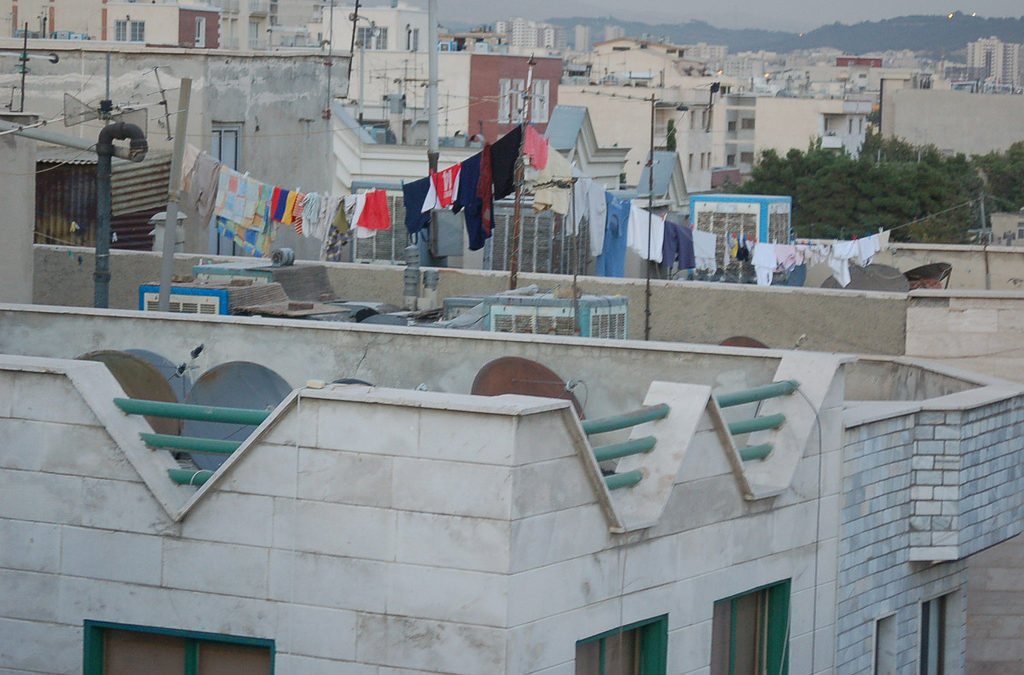
Reception of foreign TV and radio via privately-owned satellite dishes is banned in Iran, although there is widespread flouting of this rule. Dishes are often hidden on balconies and below rooftop parapets, as the image above from BBC Persian shows.
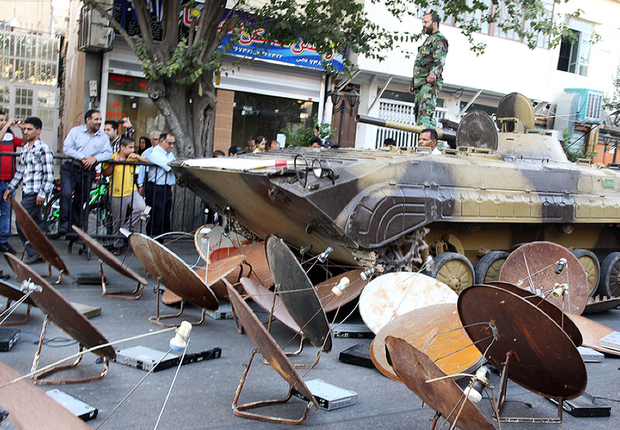
In July 2016, authorities seized and destroyed a reported 100,000 satellite dishes and receivers. According to media reports from Iran, General Mohammad Reza Naghdi, the head of Iran’s Basij militia, oversaw a destruction ceremony in Tehran after the equipment was confiscated and warned of the impact that satellite television was having in the country.
“The truth is that most satellite channels… deviate the society’s morality and culture,” AFP news agency reported him as saying. “What these televisions really achieve is increased divorce, addiction and insecurity in society.”
Naghdi claimed that a total of one million Iranians had already voluntarily handed over their satellite dishes to authorities. Iranian conservatives regularly denounce the channels as an attempt to corrupt Iranian culture and Islamic values and the police regularly raid neighbourhoods and confiscate dishes from rooftops. Under Iranian law those who distribute, use, or repair them can be fined up to $2,800.
Despite the ban on the BBC, the latest figures show the BBC World Service has an audience of 13m in Iran, making it BBC News’ seventh biggest market worldwide.
27 June 2017
The BBC Pashto flagship TV programme, BBC Naray Da Wakht (BBC World Right Now), is launching a weekly arts supplement. From Saturday 1 July 2017, the weekly slot, Hunary Shabay (Art Moments), will focus on art and literary news from Afghanistan, Pakistan and from around the world.
BBC Pashto TV Editor, Emal Pasarly, commented: “The region has a vibrant and amazingly diverse cultural scene, and there is a need for an art news programme on TV in Afghanistan and Pakistan to reflect it – and also to bring the world’s cultural news that resonates with our audience. We hope Hunary Shabay will be a welcome addition to the prime-time weekend TV schedule, bringing reports, interviews and commentary from Afghanistan, Pakistan and the rest of the world on everything art. Bollywood or Hollywood, traditional music or pop, books, theatre, exhibitions – you name it, we will bring our viewers the latest from the world of arts.”
Hunary Shabay will be part of the Saturday edition of the daily TV news programme, BBC Naray Da Wakht. On Sundays the programme features the economy and business edition, Da Eqtesad La Narray; on Thursdays – the phone-in edition, Staso Ghag (Have Your Say), while the Friday sports supplement, Lobay, brings sports news.
BBC Naray Da Wakht is broadcast live from London in prime time on the Shamshad TV network in Afghanistan (18.00 local time) and Mashriq TV in Pakistan (18.30 local time). The programme is also available on demand via the BBC Pashto channel on YouTube and the website bbcpashto.com.
BBC Pashto content – on radio, TV, online and on social media – reaches around 7m people in Afghanistan, Pakistan and the rest of the world every week*. The BBC Pashto Facebook has more than 2.8m followers (June 2017), engaging 400,000** people every week. BBC Pashto also connects with its audiences via Twitter, Google+, YouTube, Instagram and SoundCloud.
BBC Pashto is part of the BBC World Service.
(Source : BBC press release)
