BBC World Service to launch Hungarian and Romanian services

BBC World Service to launch Hungarian and Romanian services
BBC World Service to launch Hungarian and Romanian services

BBC World Service will launch content in Hungarian and Romanian, further building on its global commitment to reach more people with trusted news. The new pilot services, BBC News Magyaruland BBC News Romania, will deliver news and analysis via their websites – bbc.com/magyaruland bbc.com/romania – and their social-media channels.

The Hungarian-language website and social-media channels on Facebook and Instagram will go live from Tuesday 16 June. The Romanian-language website and social-media channels on Facebook and Instagram will be available from Tuesday 23 June. Both language offers will have YouTube and TikTok channels going live later.

To serve their respective audiences – across Hungary, Romania, Moldova and beyond – with independent and impartial coverage of key global and regional developments, the pilot services will cover a broad range of topics on which audiences in Central and Eastern Europe are seeking accurate information, and will be in easily discoverable, social-first formats. The content offers in Hungarian and Romanian will share a mix of stories covering global and European current affairs, health, science, technology, climate, and cost of living.

Both editorial teams will use AI translation technologies responsibly to bring audiences the BBC’s high-quality global journalism in Hungarian and Romanian. Journalists will curate the editorial offer and ensure there is human oversight of all AI-assisted content which, will be clearly labelled when used. Alongside this, the teams will produce original reports and analysis.

Interim Global Director, BBC News, Fiona Crack, says: “In an age of shrinking press freedom, rising disinformation, and global uncertainty, delivering independent and impartial news has never been more important. Launching BBC News Magyarul and BBC News Romania is a milestone built on innovation, like AI-assisted translation tools used responsibly, in order to reach new audiences with trusted news.”

BBC News Magyarul and BBC News Romania follow the successful launch of BBC News Polska. In less than a year since its inception, BBC News Polska has an average weekly reach of 537,000. In the most recent quarter, this grew substantially, with a weekly average of 808,000. The service’s reach among women is particularly high, making up nearly 60% of audiences on average since launch.

BBC News Magyarul and BBC News Romania Editorial Lead, Kateryna Khinkulova, adds: “I’m excited to be leading a team of highly skilled and experienced colleagues as we launch BBC journalism in two more languages, Hungarian and Romanian. Our offer is tailored to share high-quality journalism on the subjects that are of special relevance to the audiences we serve. With these two languages, we are eager to expand our reach in the region, especially to women and younger audiences, with the best of the BBC’s journalism.”

Expanding the BBC World Service’s global content offer to 45 languages including English, BBC News Magyarul and BBC News Romania will be available digitally around the world.

BBC News Magyarul and BBC News Romania add to the BBC’s presence in Hungary, Romania, and Moldova via BBC Studios. In Hungary, BBC Studios distributes the television channels BBC News and BBC Earth; in Romania – BBC News, BBC Earth and BBC First; in Moldova – BBC News and BBC First.

The BBC’s radio broadcasts – and later, websites – served Hungarian-speaking audiences between 1939 and 2005. The Romanian service operated between 1939 and 2008.
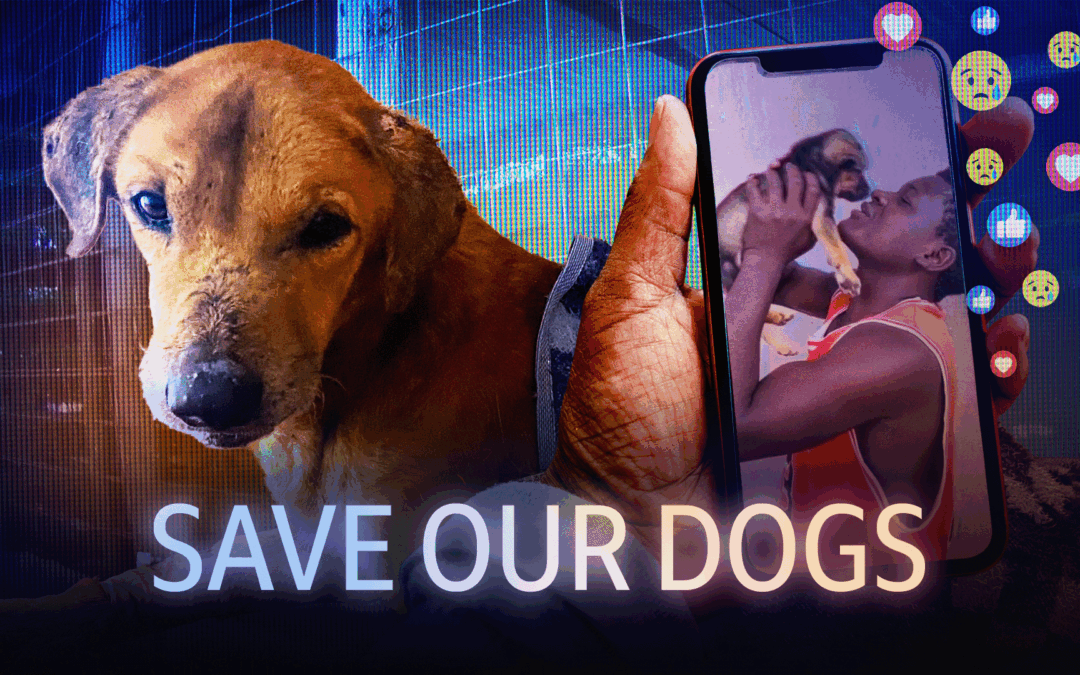
Save our Dogs: BBC Africa Eye exposes social media rescue scam network operating from Uganda

Save our Dogs: BBC Africa Eye exposes social media rescue scam network operating from Uganda

Save our Dogs: BBC Africa Eye exposes social media rescue scam network operating from Uganda

An undercover investigation by the BBC reveals how a network of sham shelters has raised thousands of dollars from donors globally whilst subjecting animals to harm.

Social media videos of injured and distressed dogs are at the centre of a large-scale international donation scam uncovered by BBC Africa Eye. Hundreds of thousands of pounds raised for animal care are sometimes being used to pay for cars, property and personal expenses by those running the accounts.

BBC Africa Eye, from the BBC World Service, reviewed hundreds of online pages raising money for pet shelters in Uganda. Almost 40% of them were linked to shelters in the Ugandan town Mityana.

How the scam operates?

Operating like a rental business, some shelter owners allow multiple content creators to film with the animals in exchange for a fee. Each content creator then runs their own fundraising drive using the video footage of dogs.

In undercover footage, a shelter owner named Charles, explains how the model works:

“You tell people that you have been evicted and the landlord has given you one months’ notice to leave… They will then start a GoFundMe [fundraising campaign] for you to buy land. And once you receive the GoFundMe money, you use it to buy a car or build a house…you just repair and move things around just for show.”

Charles was caught in video footage stating that there have been instances where other content creators have “cut the dogs” to make them appear more battered.

Charles denied injuring dogs. He acknowledged that content creators pay to film at his shelter.

The case of Russet the dog

One dog, Russet, was tracked by the BBC after appearing online badly injured.

Three weeks after his pictures were first posted online, a UK donor negotiated his release from those filming him. He was taken to a veterinary clinic in Kampala.

Veterinary surgeon Dr Isa Lutebemberwa assessed Russet and found his injuries were unlikely to have been accidental. Despite surgery to try and save him, Russet sadly later died.

Dr. Isa Lutebemberwa said meeting Russet changed him and shapes everything he does.

“If you look in his face you’ll see he’s endured a lot of pain and suffering…he had a bright life ahead of him. The voiceless animals out there [in Mityana], they need someone who can advocate for them.”

The people fighting back – local community and activists

With high youth unemployment in Mityana, social media has created new income opportunities – but some local residents told the BBC they are not happy about the bad reputation the scammers have brought the town, and they care about dogs like Russet who may be suffering in the shelters.

Ashiraf, a young local shopkeeper, said many young people are drawn into the trade because ‘dogs are seen as a source of money’, but scamming had never been his path: “My focus is to keep running the family business… I love animals. Even though I desire the money and lifestyle, the scamming business has never been my thing.”

He added that many in the community feel troubled by what is happening:

“People feel sad for the dogs but they don’t speak about it. If more people raised their concerns… a way to tackle this issue could be found.”

As donors have become aware of the scam, UK-based activist group We Won’t Be Scammed, founded by Nicola, herself a former victim, has mounted unofficial rescue operations, recovering more than 50 dogs to date.

Nicola said she initially donated for what she believed was veterinary care, until a colleague identified it as abuse. Many members of the group share similar experiences.

Not all donors have walked away from Uganda. Joanne, a British woman who first sent small donations to a shelter, has since travelled to the country three times in nine months to help run a shelter for stray dogs herself.

Asked whether her presence contributed to the broader problem of scam shelters, she said:

“I don’t think I’m actually making a problem by contributing my funds. The problem is if you closed down all the shelters, where are all the dogs going to go?”

Mityana Police said they have previously investigated animal cruelty at dog shelters in the area, including rescuing injured dogs and making arrests. One case was closed with a warning.

Where to watch or listen

  • BBC Eye TV Documentary ‘Save our Dogs: Inside Uganda’s Rescue Scam’: Available from Monday 4 May
    • BBC News Africa YouTube & on TV channels broadcasting BBC Africa Eye.
    • UK audiences: Watch on BBC iPlayer.
  • Radio – ‘For the love of Dogs’: The investigation will appear on radio show ‘The Documentary’ on BBC World Service radio or wherever you get your BBC podcasts.​
BBC launches emergency lifeline radio programme for Iran

BBC launches emergency lifeline radio programme for Iran

BBC launches emergency lifeline radio programme for Iran

BBC World Service has launched a temporary emergency lifeline radio programme for Iran in response to the ongoing turmoil in the country, and the unprecedented crackdown on protests.

To complement the existing BBC News Persian video and digital services, the radio programme will be available on medium wave and shortwave across Iran to increase the population’s access to news and information. To broaden its offer and availability of programming, the BBC World Service has also made some of its TV content available on medium wave radio.

Since 8 January, the Iranian people have been subject to an internet blackout. Prior to this, BBC News Persian’s digital services saw their biggest reach in a year with their platforms reaching more than 33 million people.

The short-term programme will cover the latest news and developments in Iran and will place events inside the country within their wider regional and international context. It will feature voices from inside Iran alongside clear, informed analysis of the most recent political, social, and economic developments shaping the situation in the country.

The programme will air daily for 30 minutes across medium and shortwave frequencies from 4.30pm GMT / 8pm Iran Standard Time. The temporary programme has been granted resource from existing funds until the end of March 2026.

Fiona Crack, Interim Global Director, BBC News, says: “A key role of the BBC World Service is to step up in times of crisis to provide news and information for our audiences in greatest need. BBC News Persian reaches one in four adults in Iran, which is an astonishing feat considering their reporting is banned in the country.

“The team have been essential in telling the urgent story of the Iranian people to audiences around the world, and our new radio programme will give the Iranian people more ways to access independent and impartial news.”

Tarik Kafala, Interim Regional Director, Middle East and North Africa, says: “BBC News Persian have worked tirelessly to deliver journalism throughout this period of unrest as the demand for trusted news has soared in Iran. The teams have supplied extended TV hours in Iran and an increased offer on digital platforms for the Iranian people. They have reported for UK audiences across bulletins, live pages and on forensic journalism with BBC Verify.”

BBC World Service has a history of launching emergency services in times of crisis. In April 2025, BBC News Burmese started providing audio and video content on a satellite channel in the aftermath of Myanmar earthquake.

In December 2024, following the fall of the Assad regime, BBC World Service set up an enhanced audio channel on FM and medium wave for the people of Syria. This follows the emergency radio service for Gaza in November 2023 and for Sudan in May 2023 amid conflict.

In February 2022, the BBC News Ukraine service extended TV bulletins following the invasion of the country.

Where to find the programme:

  • The live programme will be available at 4.30pm GMT (8pm Iran Time) on 702kHz medium wave and 9465kHz short wave
  • The programme will be repeated at 6pm GMT (9.30pm Iran time) on 702kHz mediumwave and 5935kHz shortwave
  • A visualised version of the programme will be broadcast on BBC Persian TV at 6pm GMT (9.30pm Iran time)
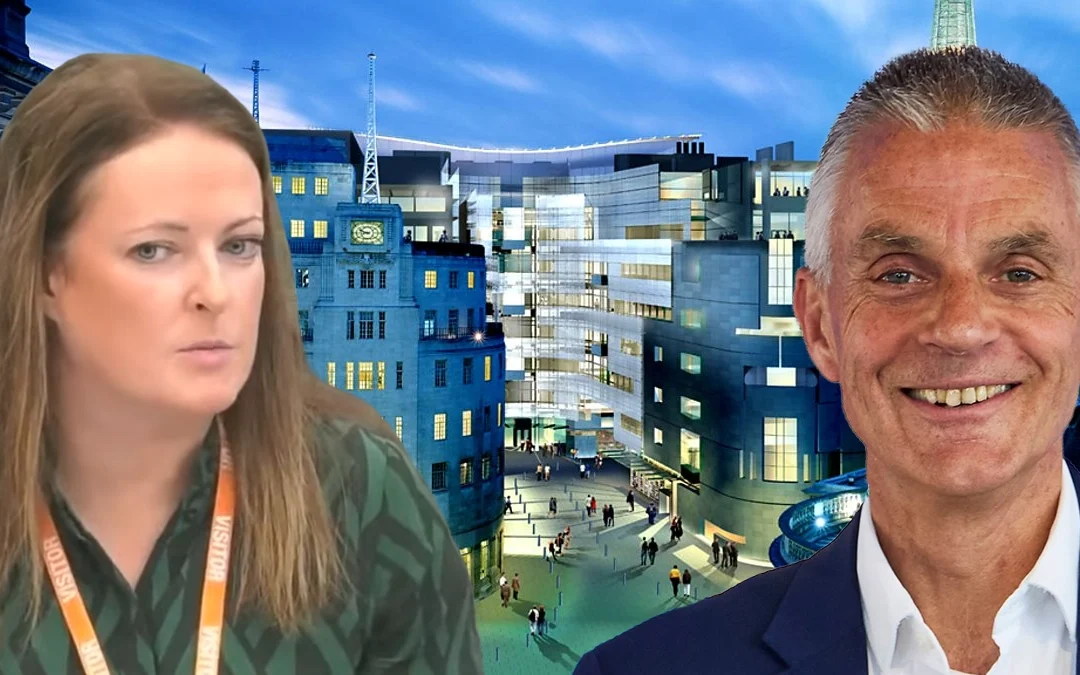
Global Media Security: Tim Davie and Fiona Crack speak about the BBC World Service

Global Media Security: Tim Davie and Fiona Crack speak about the BBC World Service

Global Media Security: Tim Davie and Fiona Crack speak about the BBC World Service

Speaking at Global Media Security and Innovation 2026 event organised by the BBC World Service, BBC Director-General Tim Davie emphasised the World Service’s growing importance in times of insecurity and instability and urged the UK government to back the World Service.

BBC News Global Director Fiona Crack pressed the case for innovation, investment, and urgent intervention in the distribution space.

Both speeches can be read here: Tim-Davie&Fiona-Crack-GlobalMediaSecuritySpeeches.

Greeting the participants at the event, which focused on overcoming barriers to open and free media and discussed new ways of providing reliable content to global audiences, Tim Davie said:

“Media security means two things: the ability to produce journalism and the means to deliver it. For BBC journalism to thrive, and to be useful for people around the world, they need to have access to it. There is little point in producing world class journalism if people cannot read, see and hear it.

“This conversation comes at a critical time for the BBC. We’re in the middle of a discussion about the BBC’s future as part of the process of reviewing our Royal Charter. The BBC World Service is front and centre of that debate. Today it remains the most trusted international news provider around the world. Across 43 languages, it’s thanks to the World Service that BBC News reaches 418 million people on average every week.

“I have often talked about the growing importance of the BBC World Service in times of insecurity and instability. People in all corners of the globe depend increasingly on our ability to reach them with independent, impartial, accurate journalism they can trust. So as part of Charter review, we’re making the case for a strong BBC World Service that’s fit for the future.

“In the meantime, the current funding arrangement with the Foreign Office runs out at the end of March. Seven weeks today. We’re waiting to hear the outcome of the settlement. But while we do, other Western news organisations are cutting their international reporting teams, disinformation is flooding the digital sphere at an incredible speed, and state-backed media firms are using AI to promote propaganda.

“We have no time to lose. As a country, we face big decisions about our role in the international arena.

“I urge the government to back the World Service, to act decisively and confidently about what we can achieve in this space, and to act soon… So that amid all the global uncertainty, audiences can continue to rely on our journalism – the very best the UK has to offer.”

Fiona Crack, Global Director, BBC News said:

“If trusted news is the frontline in a war against disinformation, we are face to face with the enemy. And to be fit for this fight, we need to innovate and invest in our technological armour. Distribution and media security is an area that has always been a strength for the UK; we are building on a history of integrity and trust. But the world order is rapidly changing.”

She added: “How we reach our audiences is under considerable strain. Instances of hostile interference are climbing. The BBC is blocked, jammed, throttled or subject to shutdowns in an escalating number of countries. Only last month, when confronted with civil unrest, the Iranian regime enforced a total internet blackout. This is a problem on the rise.”

She concluded by saying: It is our greatest duty to serve those in greatest need. As the largest and most trusted international news provider, the BBC World Service can play a unique role in helping to bring media security to countries and populations globally – but we can only do so with an industry-wide response and the right long-term investment in circumvention. Let me be clear, creating enhanced routes to audiences is no longer a desirable outcome. It is business critical. The risks of not doing so are far too great.”

BBC launches emergency lifeline radio programme for Iran

BBC launches emergency lifeline radio programme for Iran

BBC launches emergency lifeline radio programme for Iran

BBC World Service has launched a temporary emergency lifeline radio programme for Iran in response to the ongoing turmoil in the country, and the unprecedented crackdown on protests.  

To complement the existing BBC News Persian video and digital services, the radio programme will be available on mediumwave and shortwave across Iran to increase the population’s access to news and information. To broaden its offer and availability of programming, the BBC World Service has also made some of its TV content available on mediumwave radio. 

Since 8 January, the Iranian people have been subject to an internet blackout. Prior to this, BBC News Persian’s digital services saw their biggest reach in a year with their platforms reaching more than 33 million people. 

The short-term programme will cover the latest news and developments in Iran and will place events inside the country within their wider regional and international context. It will feature voices from inside Iran alongside clear, informed analysis of the most recent political, social, and economic developments shaping the situation in the country.

The programme will air daily for 30 minutes across medium and shortwave frequencies from 16:30 GMT / 20:00 Iran Standard Time. The temporary programme has been granted resource from existing funds until the end of March 2026. 

Fiona Crack, Interim Global Director, BBC News, says: “A key role of the BBC World Service is to step up in times of crisis to provide news and information for our audiences in greatest need. BBC News Persian reaches one in four adults in Iran, which is an astonishing feat considering their reporting is banned in the country. 

“The team have been essential in telling the urgent story of the Iranian people to audiences around the world, and our new radio programme will give the Iranian people more ways to access independent and impartial news.”

Tarik Kafala, Interim Regional Director, Middle East and North Africa, says: “BBC News Persian have worked tirelessly to deliver journalism throughout this period of unrest as the demand for trusted news has soared in Iran. The teams have supplied extended TV hours in Iran and an increased offer on digital platforms for the Iranian people. They have reported for UK audiences across bulletins, live pages and on forensic journalism with BBC Verify.” 

The BBC World Service has a history of launching emergency services in times of crisis. In April 2025, BBC News Burmese started providing audio and video content on a satellite channel in the aftermath of Myanmar earthquake. 

In April 2024, following the fall of the Assad regime, the BBC World Service set up an enhanced audio channel on FM and mediumwave for the people of Syria. This follows the emergency radio service for Gaza in November 2024 and for Sudan in May 2023 amid conflict.  

 In February 2022, the BBC News Ukraine service extended TV bulletins following the invasion of the country.

Where to find the programme – 

The live programme will be available at 16:30 GMT (20:00 Iran Time) on 702kHz medium wave and 9465kHz short wave

The programme will be repeated at 18:00 GMT (21:30 Iran time) on 702kHz mediumwave and 5395kHz shortwave

A visualised version of the programme will be broadcast on BBC Persian TV at 18:00 GMT (21:30 Iran time)