Iran International journalists receive credible threats to life – in the UK

Iran International journalists receive credible threats to life – in the UK
Iran International journalists receive credible threats to life – in the UK

Iran International, the independent UK-based Farsi-language news channel has said that is shocked and deeply concerned by the credible threats to life its journalists have received from the IRGC.

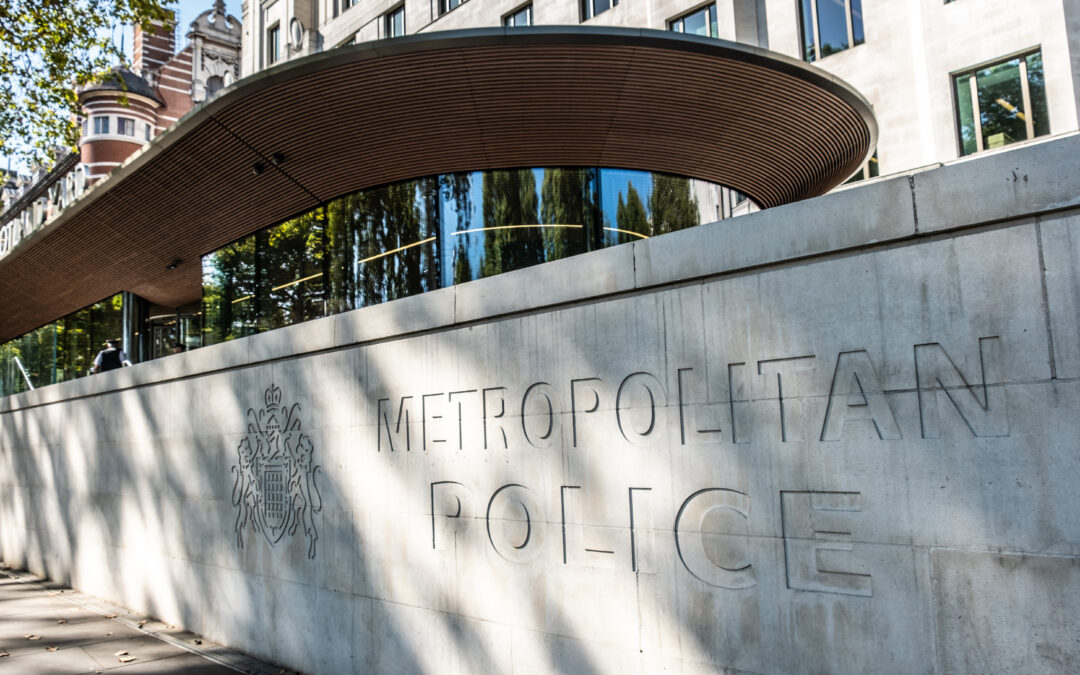
Two of the channel’s British-Iranian journalists have, in recent days, been notified of an increase in the threats to them. The Metropolitan Police have now formally notified both journalists that these threats represent an imminent, credible and significant risk to their lives and those of their families. Other members of Iran International staff have also been informed directly by the Metropolitan Police of separate threats.

Iran International say its journalists are subject to abuse 24/7 on social media. “But these threats to life of British-Iranian journalists working in the UK marks a significant and dangerous escalation of a state-sponsored campaign to intimidate Iranian journalists working abroad. These lethal threats to British citizens on British soil come after several weeks of warnings from the IRGC and Iranian government about the work of a free and uncensored Farsi-language media working in London,” the channel said in a statement.

“Britain is the home of free speech,” the statement continues. “Iran International stands as part of that tradition, proud to serve the 85m people of Iran with independent, uncensored information. The Islamic Republic of Iran, and specifically the IRGC cannot be allowed to export their pernicious media crackdown to the UK. The IRGC cannot be allowed to act abroad with impunity.

“We hope that the UK Government, international governments and other organisations will join us in condemning these horrific threats and continue to highlight the importance of media freedom.

“We would like to thank the Metropolitan Police for their considerable efforts in keeping journalists safe.”

The AIB continues to support channels and their staff under threat from bad actors.

Image: William Barton/Shutterstock​

Iran increases pressure on international broadcasters

Iran increases pressure on international broadcasters

Iran increases pressure on international broadcasters

The Iranian government is stepping up its pressure on Farsi-language broadcasters as protests against the regime continue to escalate across Iran.

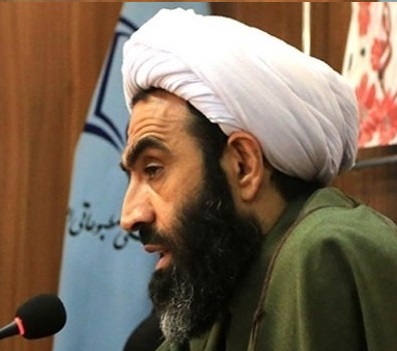
Bearing the brunt of the attacks over the weekend of 8-9 October is London-based Iran International TV. The Secretary of the legal and judicial committee of the Iranian parliament, Mohammad-Taghi Naqdali, known as a hardline cleric, called on the Iranian government to “use capabilities in the international arena” to take steps against Iran International that he claims “make calls for riots, destruction of property and regime change.”

Naqdali’s comments follow extensive jamming traced to Iran of international satellites operated by Eutelsat and Arabsat that were stepped up after demonstrations against the Iranian government increased following the death of Mahsa Amini in police custody in September.

The Iranian cleric suggested that his government should lodge complaints about Iran International with UK media regulator Ofcom, saying that the regulator “can be used by the [Iranian] foreign ministry and the Judiciary” to get the broadcaster shut down. In 2019, Iran’s ambassador to the the United Kingdom raised a complaint with Ofcom about a broadcast in September 2018 that was overruled by the regulator with the regulator finding that Iran International had kept within the UK’s Broadcasting Code.

Iran has long been involved in the jamming of TV and radio broadcasts from outside the country where news and information is strictly controlled by the Iranian government. This is contrary to international law, and the ITU Radio Regulations to which Iran is a signatory.

The AIB is working closely with its Members affected by Iranian jamming and by the Iranian government’s attempts to silence their operations.

[Image: By Tasnim News Agency, CC BY 4.0, https://commons.wikimedia.org/w/index.php?curid=98521741]

Iran jamming Eutelsat – again

Iran jamming Eutelsat – again

Iran jamming Eutelsat – again

Following the anti-government protests that flared up following the death of 22-year-old Mahsa Amini in Iranian police custody last month, the Iranian authorities appear to be stepping up their efforts to restrict information coming into the country.

Satellite operator Eutelsat reports that it has been suffering jamming on two of its satellites since 26 September. These attempts at causing deliberate harmful interference are affecting the transmission of a number of TV and radio channels that provide services to Farsi-speaking audiences in Iran. The jamming affects other channels that are not targeted towards Iran as well.

Eutelsat says that it has carried out research using a specially designed interference detection system. The result show that the source of the jamming transmissions is within Iran.

Eutelsat says that it has “decided to take action simultaneously along two main lines: on the diplomatic front, and using all appropriate national and international procedures, Eutelsat has immediately notified the relevant authorities in the Islamic Republic of Iran, demanding that the harmful jamming operations be immediately and permanently stopped. Eutelsat has also reminded the relevant Iranian authorities that intentional jamming is explicitly prohibited by the International Telecommunication Union (ITU) Radio Regulations.”

Broadcasters such as London-based Iran International say that their transmissions have been affected by the illegal jamming by the Iranian authorities.

Iran has employed satellite jamming for many years in the regime’s attempts to limit access to free and impartial information getting into the country. In spite of their efforts, audiences for Farsi-language channels from outside the country continue to grow as viewers and listeners find ways to circumvent their government’s efforts.

The AIB will be monitoring the situation and taking action on behalf of its Members affected by the illegal jamming of their signals.

Read more: the AIB’s brief history of jamming


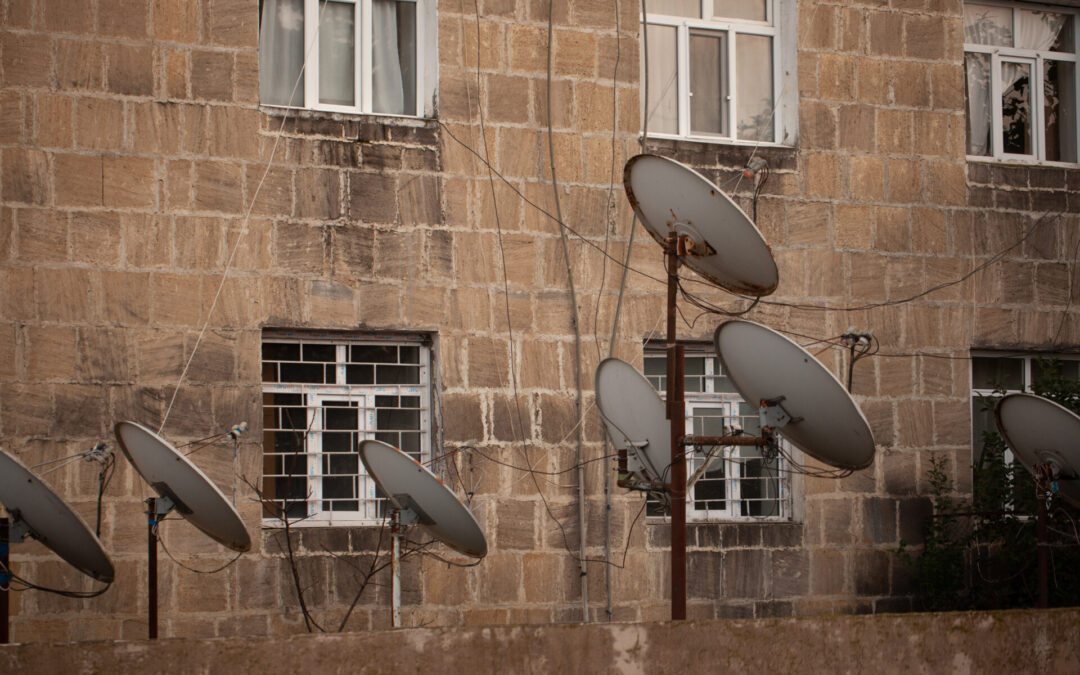
Photo: satellite antennas on roofs in Iran 

NHK WORLD-JAPAN launches its first 24-hour English language TV service in South Africa

NHK WORLD-JAPAN launches its first 24-hour English language TV service in South Africa

NHK WORLD-JAPAN launches its first 24-hour English language TV service in South Africa

NHK WORLD-JAPAN has announced the commencement of its first round-the-clock broadcast in the Republic of South Africa.

Beginning on July 1, NHK WORLD-JAPAN expanded its cooperation with MultiChoice Group, Africa’s leading video entertainment provider, and joined its Southern African line-up on DStv channel 431.

In addition to those already subscribed to DStv’s Sub-Saharan African offering, a direct-to-home (DTH) service via the Eutelsat-36B, now approximately 8 million more DStv subscribers will have access to the channel’s exciting content via the Intelsat-20.

With this launch, viewers on all DStv packages throughout the continent can watch NHK WORLD-JAPAN’s unique and diverse blend of programming, featuring hourly live international news, along with arts and culture, dramas, anime, food, travel, technology, documentaries, and much more.

 
“We are excited to bring this channel to our DStv subscribers, we are focused on offering the best of local and international content and this channel’s unique content offering aims to do just that,” says Gideon Khobane, Group Executive for General Entertainment at MultiChoice Group. “NHK WORLD-JAPAN will give our DStv viewers a chance to explore international culture through entertainment.”
 
Jun Takao, President and CEO of Japan International Broadcasting, the NHK subsidiary responsible for the worldwide distribution of NHK WORLD-JAPAN, says “We are delighted to offer the content of NHK WORLD-JAPAN to the people of South Africa for the first time. It has been our long-awaited desire to distribute our programmes in this region.”
 
[Source: NHK WORLD press release]
Nostalgia corner: tenth anniversary of Radio Netherlands closure

Nostalgia corner: tenth anniversary of Radio Netherlands closure

Nostalgia corner: tenth anniversary of Radio Netherlands closure

29 June 2022 marks the tenth anniversary of the closure of Radio Netherlands Worldwide, the international broadcaster that broadcast programmes across the world in Dutch, English and six other languages. The broadcaster launched in April 1947, with shortwave its mainstay distribution system for most of its life.
 
In 2011, the Dutch government decided to drastically reduce funding for Radio Netherlands’ international services, cutting its operational budget from EUR46m to just EUR14m, and to focus on promoting media freedom through a new organisations RNW Media, rather than serving audiences directly.
 
You can listen to a 20′ programme made by former Radio Netherlands Programme Director Jonathan Marks (pictured right) on the day of the closure here.
For those of us who grew up listening to programmes from Hilversum, the closure of the station was a sad day – and Jonathan’s recording brings back many memories.
Women: a new radio show from BBC News Afghan

Women: a new radio show from BBC News Afghan

Women: a new radio show from BBC News Afghan

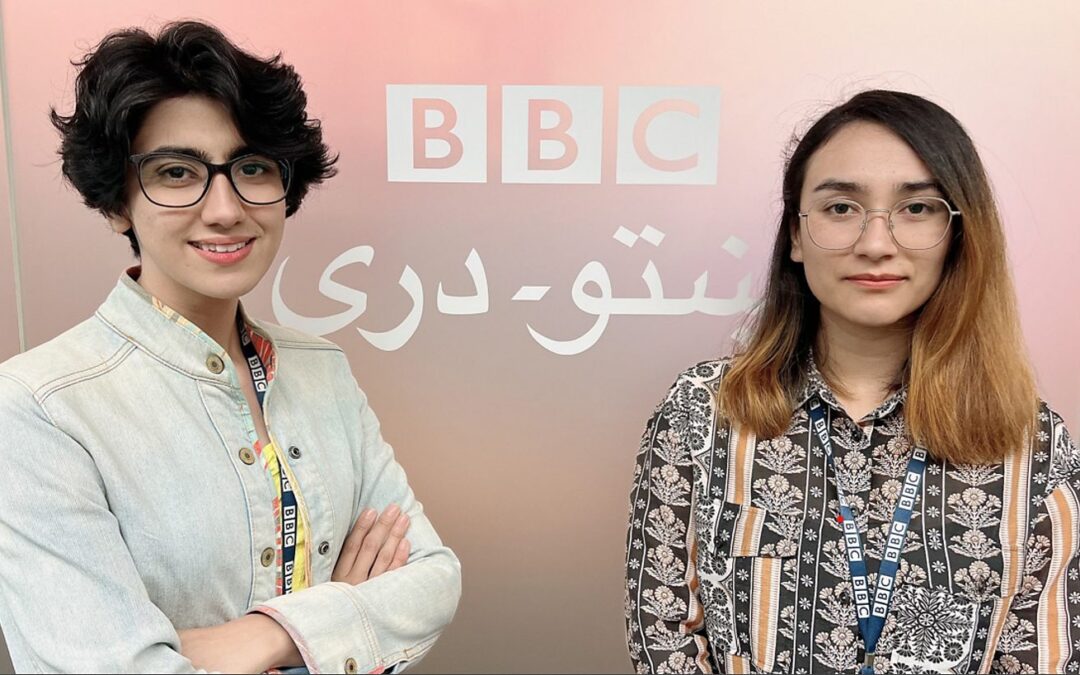
BBC News Afghanistan in Pashto and Dari has launched a weekly radio programme, Women (Mermen in Pashto, and Zan in Dari). The 30-minute show will go on air at 19:00 Kabul Time in Dari and at 20:00 in Pashto (14:30 and 15:30 GMT) every Friday.

Presented by Shazia Haya in Pashto and Aalia Farzan in Dari, the programme is aimed at women and girls – especially those in rural areas – in Afghanistan and Pakistan. Alongside offering them a platform to voice their views and questions, the new show will also deliver content that informs and educates, empowering the listeners to make informed decisions and choices.

The programme, which talks about women’s rights, healthcare, education, household economy, parenting, children’s health, as well as entertainment, sports and politics, opens with women-focused news from around the world. It discusses with experts the week’s main subject item and includes permanent slots on motherhood and childcare; inspiring stories about successful women from Afghanistan and around the world; and an arts & culture section dedicated to latest works by female writers, artists and musicians.

Shazia Haya and Aalia Farzan are BBC journalists who moved to the UK following the Taliban takeover of Afghanistan. Shazia says: “This programme for me means giving a voice to the voiceless. I hope Mermen will help empower the Afghan women to have better lives – and I feel really privileged to be part of such a journey.”

Aalia adds: “I want our new radio show, Zan, to serve as a window to every Afghan woman’s home. A window which opens every week to bring her the kind of knowledge that is really useful for her, and also to invite her to speak out about the things that worry or frustrate her.”

The new radio programme will be available via FM and shortwave frequencies across Afghanistan and will be available on demand via the websites bbc.com/pashto and bbc.com/persian/afghanistan, and the BBC News Pashto and BBC News Dari channels on Facebook.

BBC News Afghanistan service in Dari and Pashto is part of BBC World Service.